The vision of AdvaConstellation: How AdvaSpace’s Radiation-Monitoring Constellation Could Transform Space-Weather Risk Management
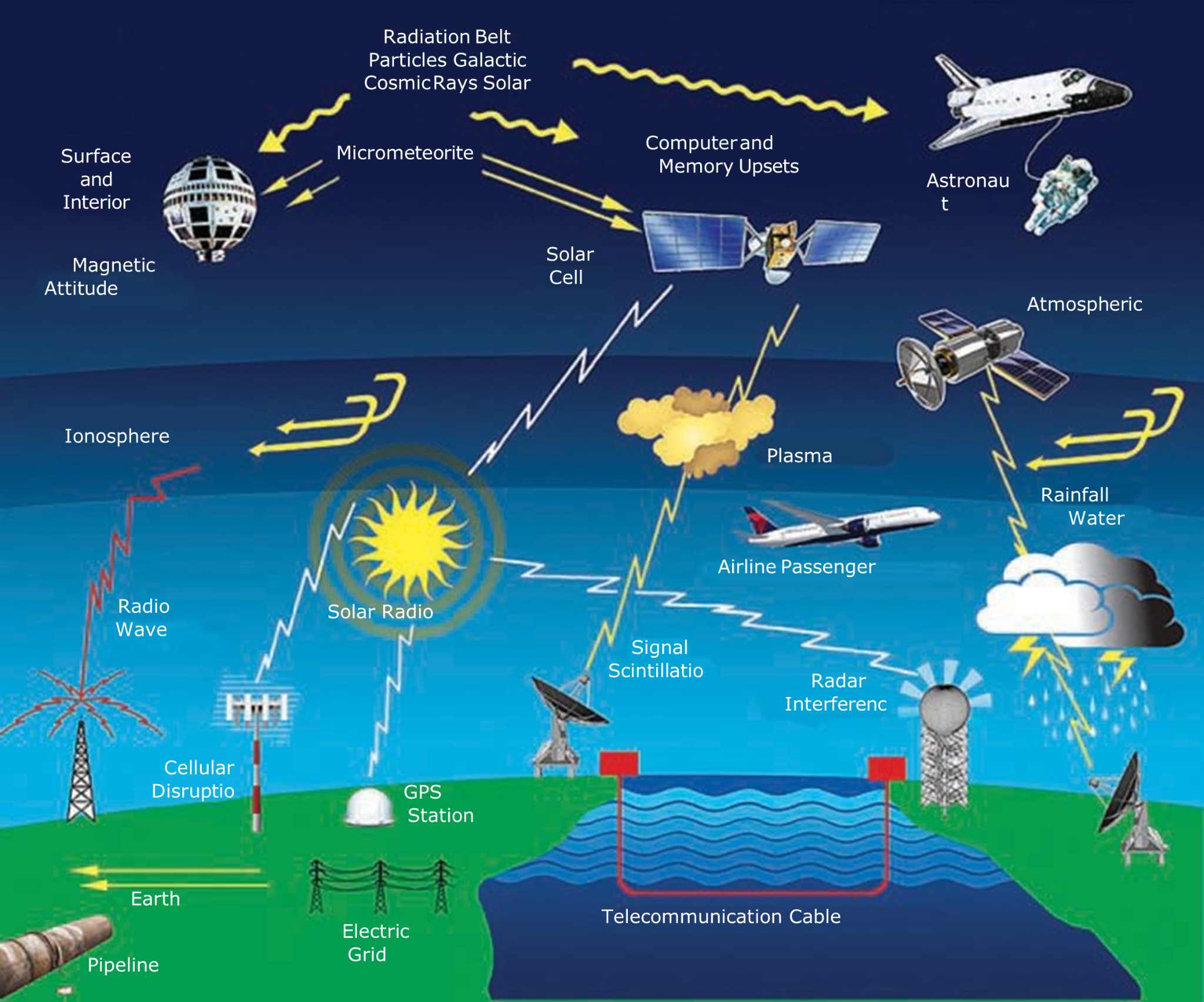
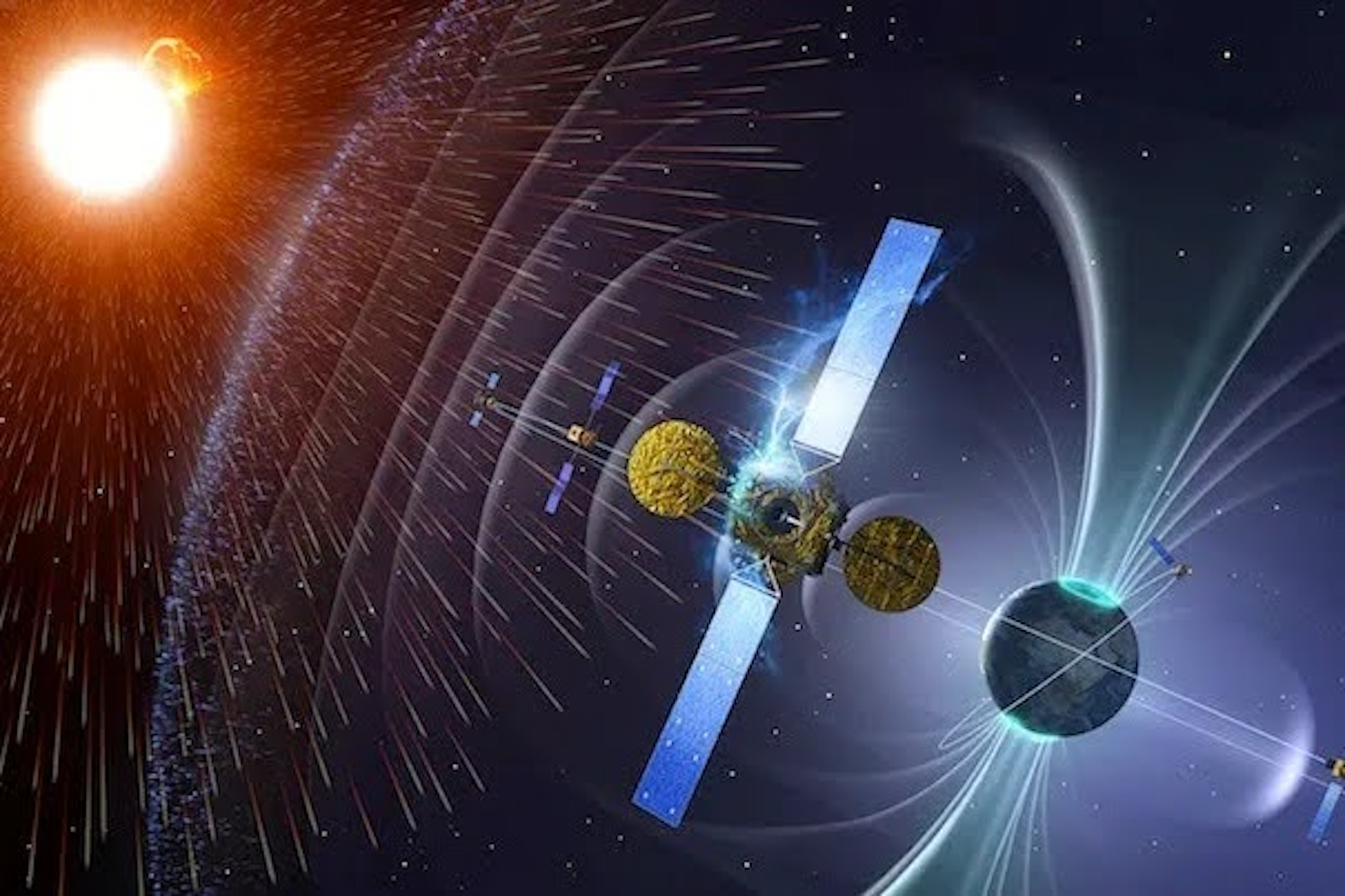
Space radiation is no longer a niche technical concern. According to AdvaSpace’s constellation business plan, a single extreme solar storm could generate tens of billions of euros in damage across Europe, affecting aviation, satellite operations, power grids, and logistics systems
Recognizing this growing vulnerability, AdvaSpace proposes building a dedicated CubeSat constellation for space-weather monitoring and early warning—turning radiation intelligence into an operational and commercial service.
The Challenge
Radiation from solar storms and cosmic events threatens:
- spacecraft electronics and mission lifetime
- airline operations
- energy-distribution networks
- logistics and transport systems
The business plan estimates that in a severe event, Europe alone could face losses exceeding €20 billion, with aviation and energy infrastructure among the most affected sectors
.
At the same time, the satellite-data market is rapidly expanding, creating demand for real-time environmental intelligence in orbit. Yet space-weather forecasting remains underdeveloped, leaving operators exposed to poorly quantified risks
.
The AdvaSpace Solution
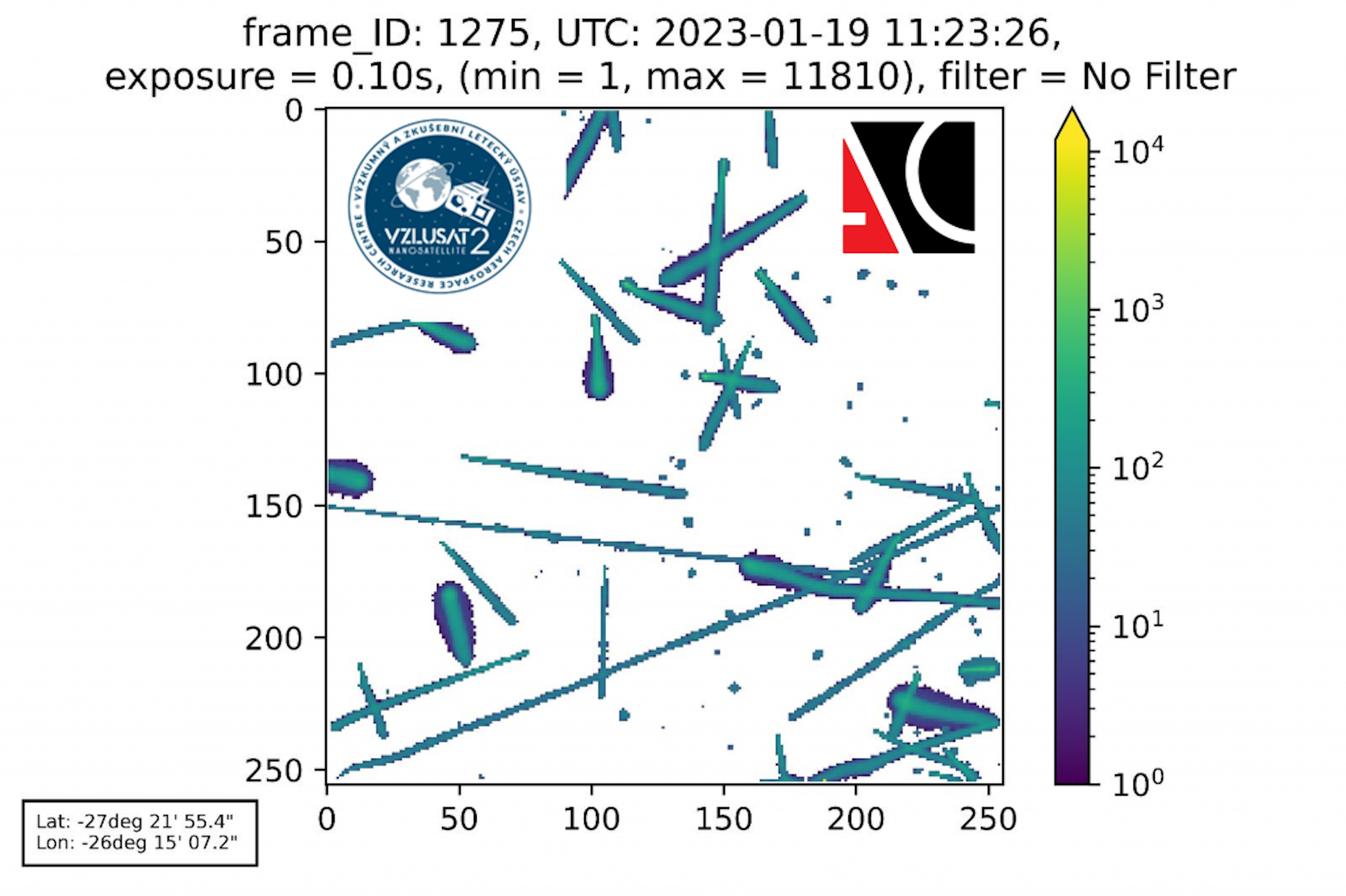
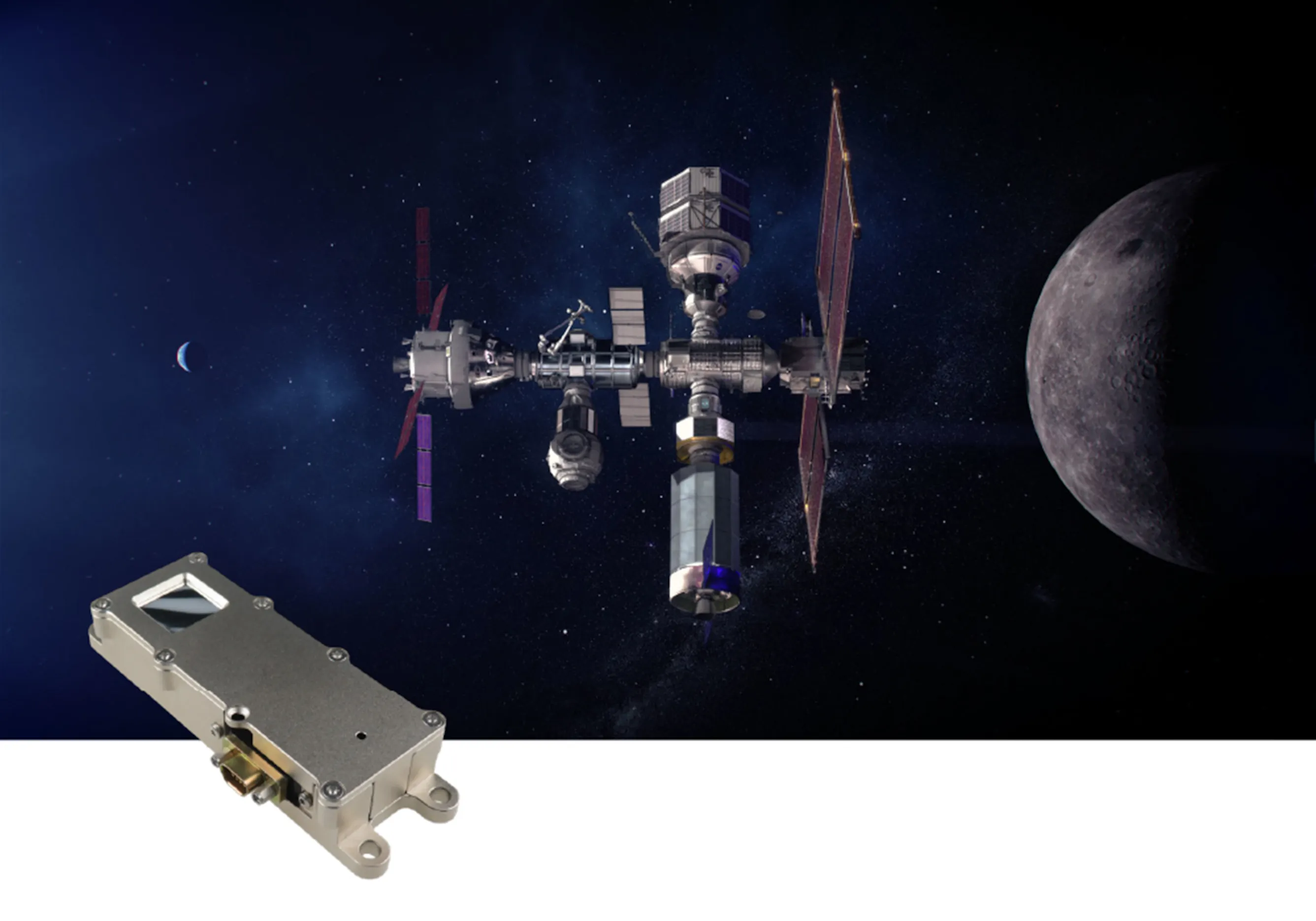
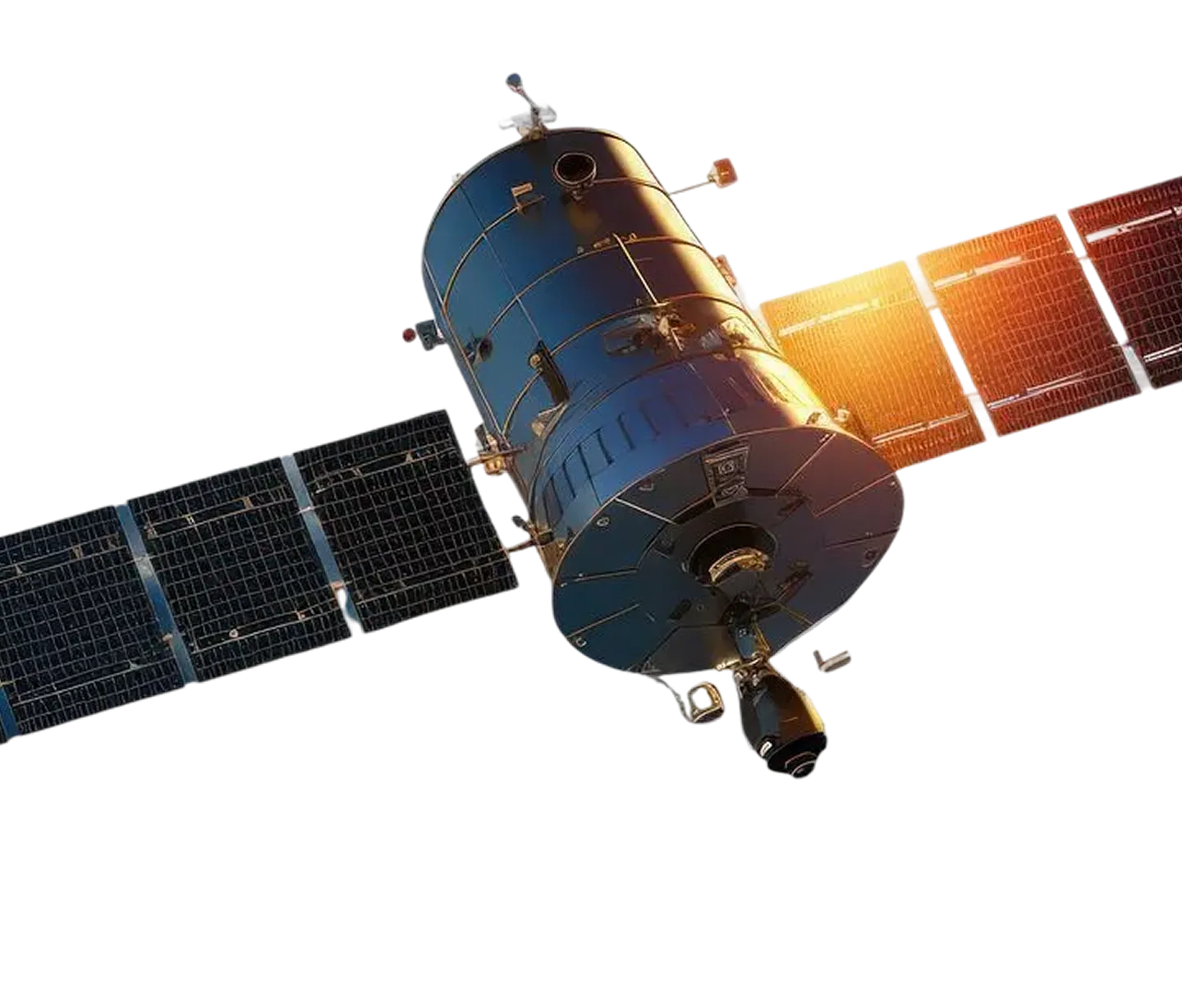
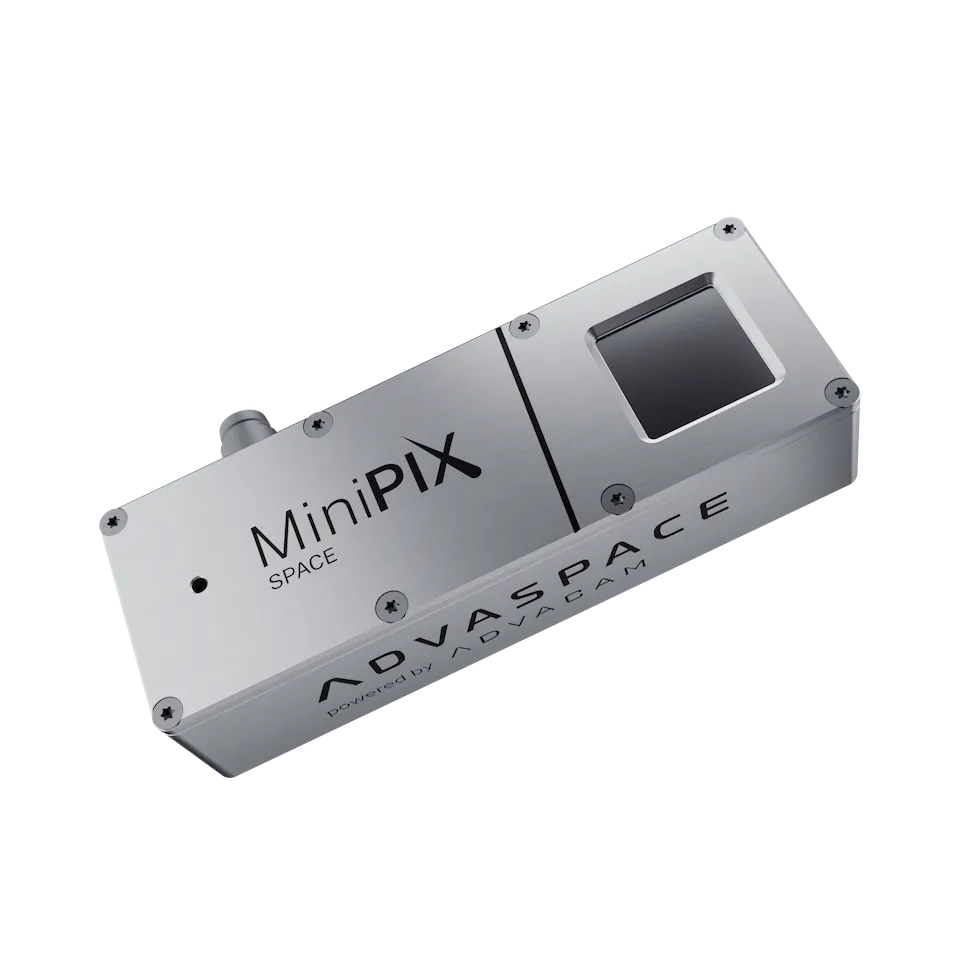
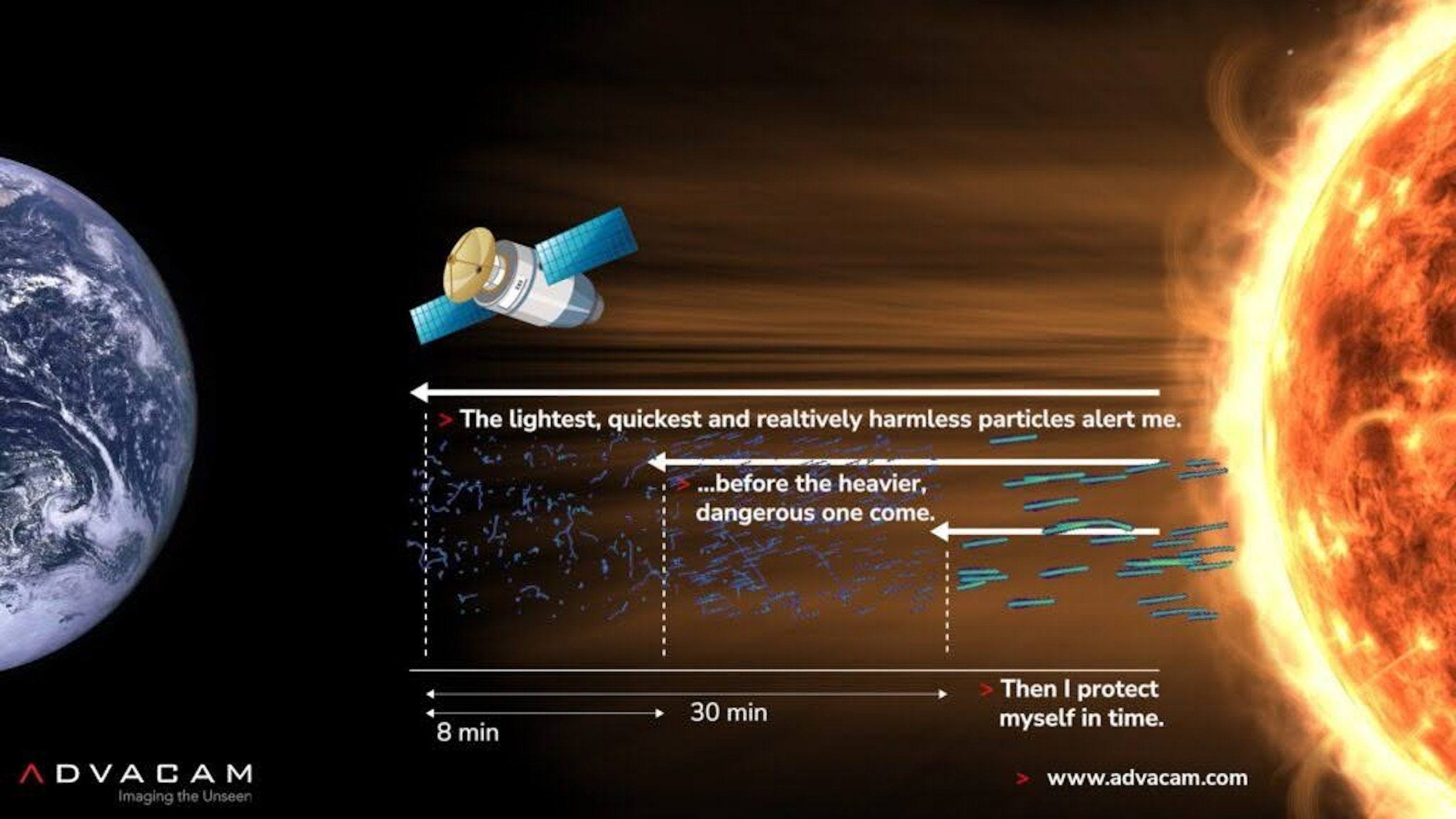
AdvaSpace proposes deploying approximately 24 Czech-built 2U CubeSats into orbit, each carrying a miniaturized radiation detector capable of tracking every individual particle using Timepix-based technology and patented processing methods
AdvaConstellation_BP-EN
.
Each satellite would:
- identify particle type, energy, and direction
- process data onboard
- downlink results via domestic ground stations
- feed a commercial radiation-data platform
Together, the constellation—referred to in the plan as AdvaConstellation—would create a persistent, orbital monitoring layer for solar-storm detection and radiation mapping.
Who Would Use the Data?
The plan identifies a wide range of customers for AdvaSpace’s radiation-intelligence services:
- space agencies
- satellite operators and telecom constellations
- airlines
- defense organizations
- scientific institutions
- power-grid operators
- insurance companies
All of these sectors depend on early warnings and post-event verification when radiation threatens infrastructure
Operational Scenario
During heightened solar activity, the AdvaSpace constellation detects a rapid increase in energetic particles in low Earth orbit.
Within minutes:
- radiation alerts are distributed to satellite operators
- airlines adjust routes over polar regions
- grid operators activate protection protocols
- insurers log exposure data for potential claims
After the event, AdvaSpace supplies historical radiation datasets confirming when and where dangerous conditions occurred—supporting:
- incident investigations
- regulatory compliance
- insurance settlements
- long-term risk modeling
Strategic Impact
By replacing legacy monitoring approaches with continuous, particle-resolved radiation surveillance, AdvaSpace positions itself as:
- a space-weather data provider
- a risk-intelligence partner for insurers
- an operational safety tool for satellite fleets
- a contributor to infrastructure resilience
The AdvaConstellation concept transforms radiation from an unpredictable hazard into measurable, tradable, and insurable data—supporting future regulatory frameworks, sustainability requirements, and critical-infrastructure protection.