Space heritage
Below we provide a list of space missions and projects utilizing Timepix-based radiation detectors. These spaceflights have been carried out since 2013 either by ADVACAM or by AdvaSpace.

7
Missions planned
> 14
Missions flown
> 30
Timepix units in Space to date
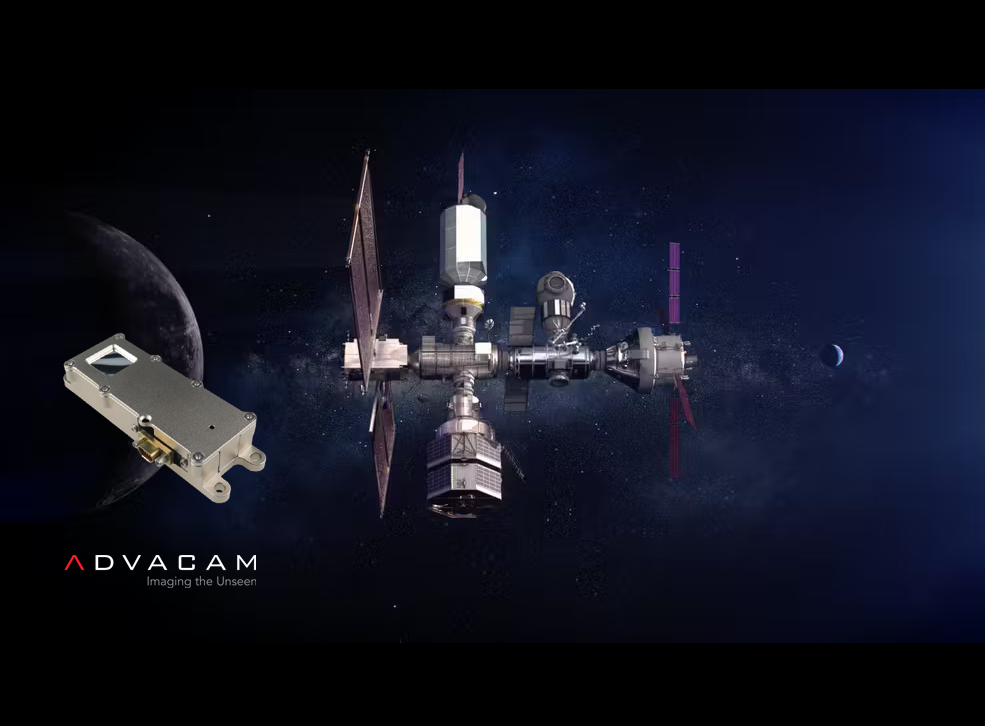
ESA IDA - Gateway Lunar Space Station
Launch:
TBD
Payload:
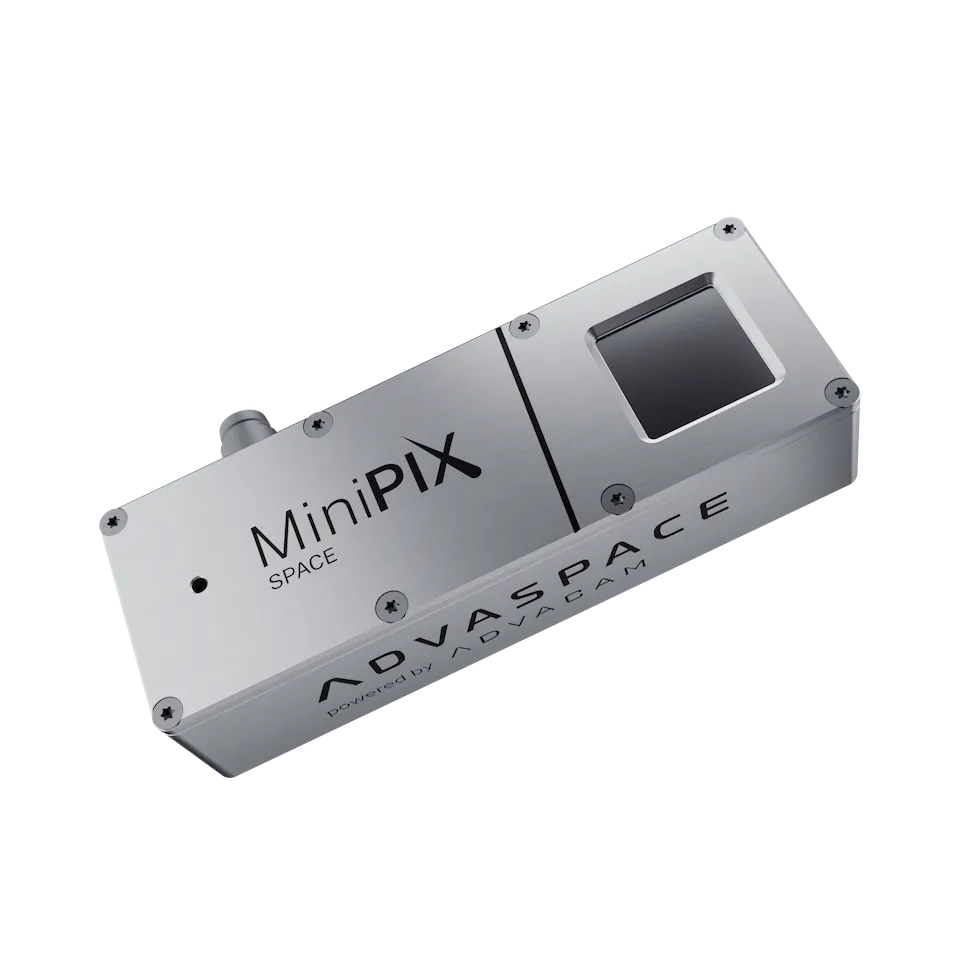
MiniPIX SPACE
Orbit:
Lunar Orbit
Vehicle:
Gateway Lunar Station (HALO Module)
TPX Units:
1
Objective:
Aboard Gateway, specifically in the HALO module, an internal radiation dosimetry system called IDA (Internal Dosimetry Array) is to be installed, developed under a project funded by the European Space Agency (ESA). One of the key instruments in this detector array is currently being finalized by Czech company ADVACAM, which has long supplied miniaturized chips for detailed radiation analysis to customers, including ESA and NASA. Its main scientific objective is to monitor radiation doses to which astronauts are exposed. It will also generate scientific data for radiation mapping, shielding assessments, and more. The MiniPIX SPACE detector will provide real-time information on particle type, energy, direction, time of impact, and point of impact.
Read more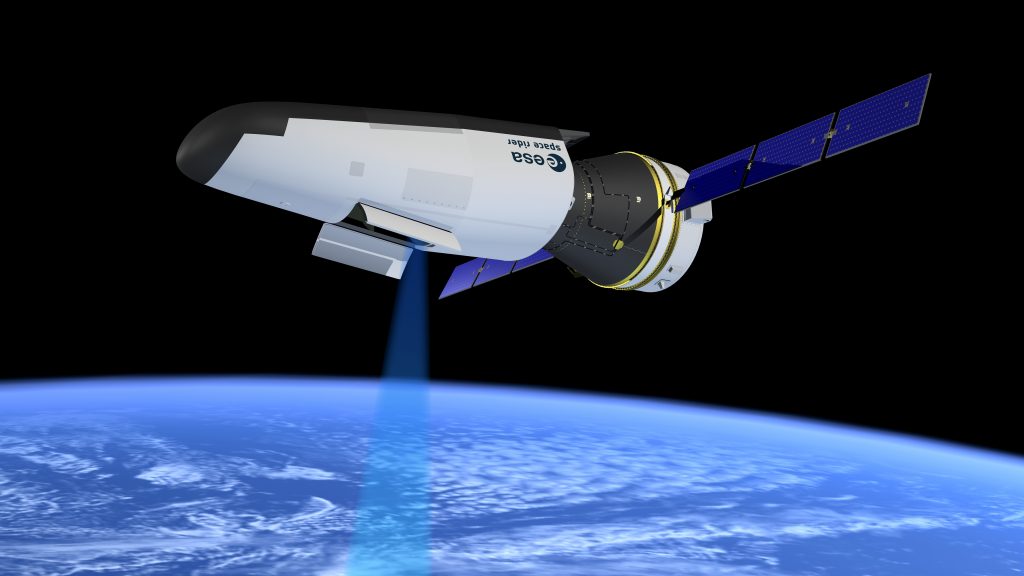
ESA - Space Rider
Launch:
2028
Payload:
Thor
Orbit:
LEO
Vehicle:
Space Rider
TPX Units:
12
Objective:
The Space Rider is an uncrewed robotic laboratory about the size of two minivans. It will stay in low orbit for about two months. Experiments inside its cargo bay are supposed to allow technology demonstration and benefit research in pharmaceutics, biomedicine, biology, and physical science. At the end of its mission, Space Rider will return to Earth with its payloads and land on a runway to be unloaded and refurbished for another flight. the TGF Monitor Experiment by the University of Coimbra will contribute to establish Timepix-based CdTE detectors as a technology that may be used from Astrophysics to aviation security, and perform new science measurements, in particular those related to Terrestrial Gamma-ray Flashes. (TGFs)
Read more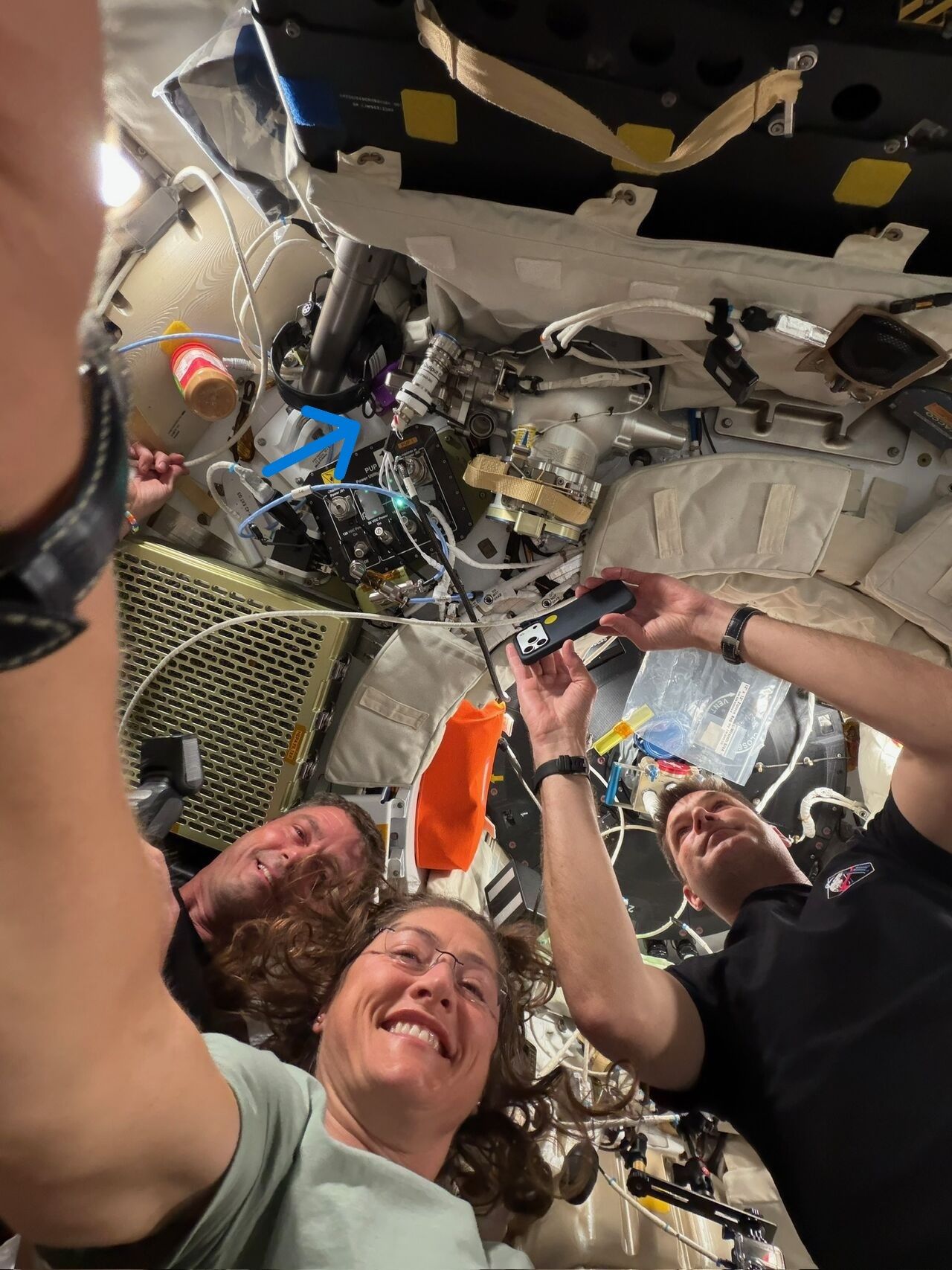
NASA - Artemis II
Launch:
2026
Payload:
HERA (Hybrid Electronic Radiation Assessor)
Orbit:
Moon orbit
Vehicle:
Orion
TPX Units:
6
Objective:
This NASA-developed instrument is designed to monitor cosmic radiation, which can severely impact both human health and sensitive onboard electronics. The “eyes” of the HERA system consist of six Timepix chips supplied by ADVACAM. These are integrated into two HSU (Hera Sensor Unit) units, with three modules each. This allows for a detailed analysis of the radiation’s composition, which is essential because different particles have different biological effects.
Read more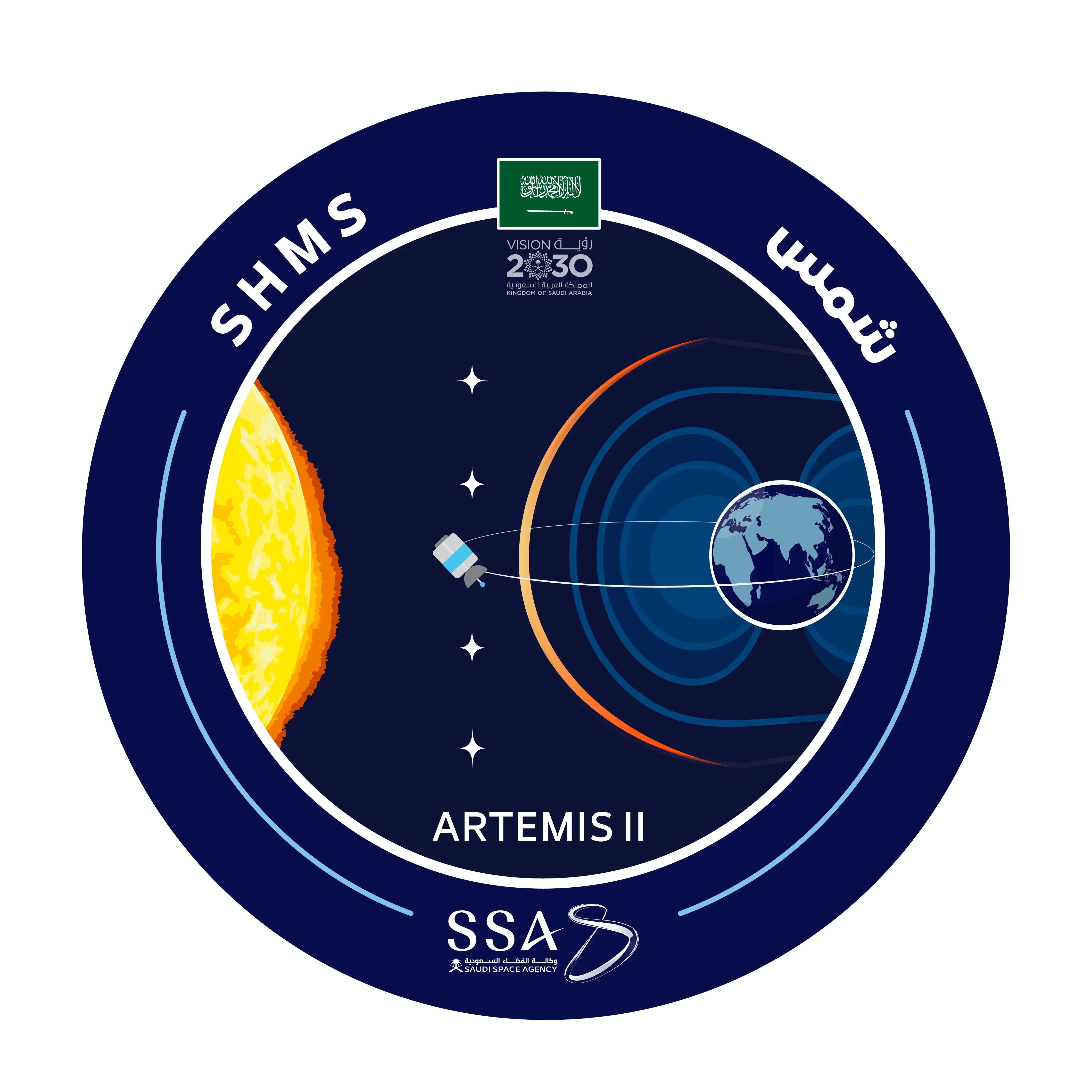
SSA - Space Weather CubeSat 1
Launch:
2026
Payload:
MiniPIX SPACE
Orbit:
HEO
Vehicle:
SLS Block 1 iCPS
TPX Units:
1
Objective:
Space Weather CubeSat-1 (SWC-1) is a 12U CubeSat developed by Saudi Arabia's Space Agency as a rideshare payload on the Artemis II mission. The purpose of the mission is to study space weather phenomena at distances beyond low Earth orbit. Measurements are intended to improve understanding of the space environment influenced by solar activity, including conditions that can affect spacecraft systems and communications. SWC-1 is designed to operate in high Earth orbit, allowing observations in regions that are less frequently sampled by small satellites. Data collected during the mission are expected to complement existing space weather observations from near-Earth and heliophysics missions.
Read more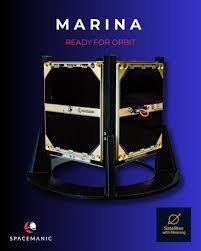
SWM - MARINA 1U CubeSat
Launch:
2026
Payload:
MiniPIX SPACE
Orbit:
LEO
Vehicle:
MARINA 1U
TPX Units:
1
Objective:
MARINA is a 1U CubeSat owned by the Slovak company Satellites With Meaning (SWM) and designed and operated by the Czech CubeSat producer and operator Spacemanic. The scientific objective of AdvaSpace’s MiniPIX SPACE payload is space weather monitoring and the further development of its space radiation monitoring capabilities and post-processing services.
Read more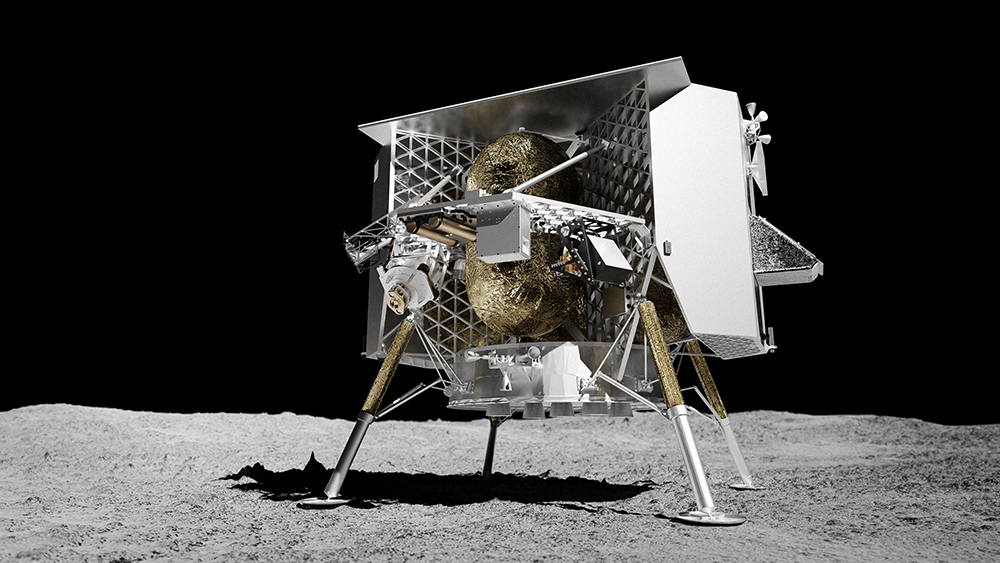
NASA / Astrobotic - Peregrine Lunar Lander
Launch:
2024
Payload:
LETS
Orbit:
Lunar Surface
Vehicle:
Peregrine lunar lander
TPX Units:
1
Objective:
The LETS instrument aboard the Astrobotic Peregrine lunar lander was designed to characterize the deep-space radiation environment during NASA’s Commercial Lunar Payload Services (CLPS) mission. Its core detector technology was based on the Timepix particle detector module developed and manufactured by ADVACAM, enabling detailed particle-by-particle radiation analysis, including dose rate, LET spectra, and radiation quality measurements. Although the mission was terminated due to a propulsion system anomaly before lunar landing, the payload successfully operated in deep space for more than 65 hours. During the mission, the instrument validated its thermal and operational performance in open-space conditions on an exposed payload deck. The collected data contributed valuable insights into the interplanetary radiation environment and future radiation monitoring strategies for crewed lunar exploration missions under the Artemis program.
Read more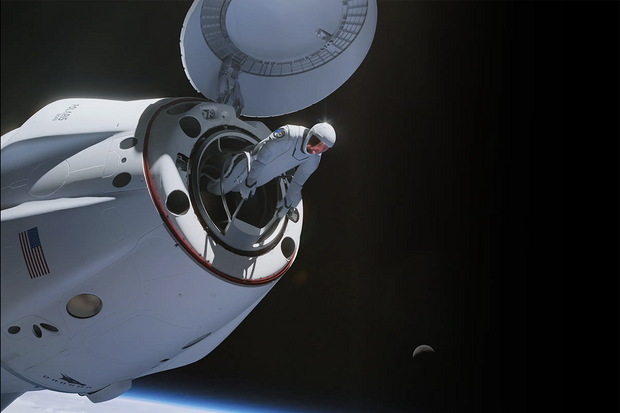
NASA / SpaceX - Polaris Dawn
Launch:
2023
Payload:
HERA (Hybrid Electronic Radiation Assessor)
Orbit:
MEO
Vehicle:
Crew Dragon
TPX Units:
1
Objective:
ADVACAM’s Timepix-based detector technology was deployed during the historic Polaris Dawn mission operated by SpaceX. The mission achieved the highest crewed Earth orbit since Apollo 17 and included the first commercial spacewalk in history. To monitor the elevated radiation environment at an altitude of approximately 1,400 km, NASA’s HERA radiation detector carried ADVACAM-supplied particle detection components capable of identifying individual radiation particles, their type, and deposited energy. The mission provided valuable data on radiation exposure beyond typical low Earth orbit conditions and contributed to research supporting future human deep-space exploration missions.
Read more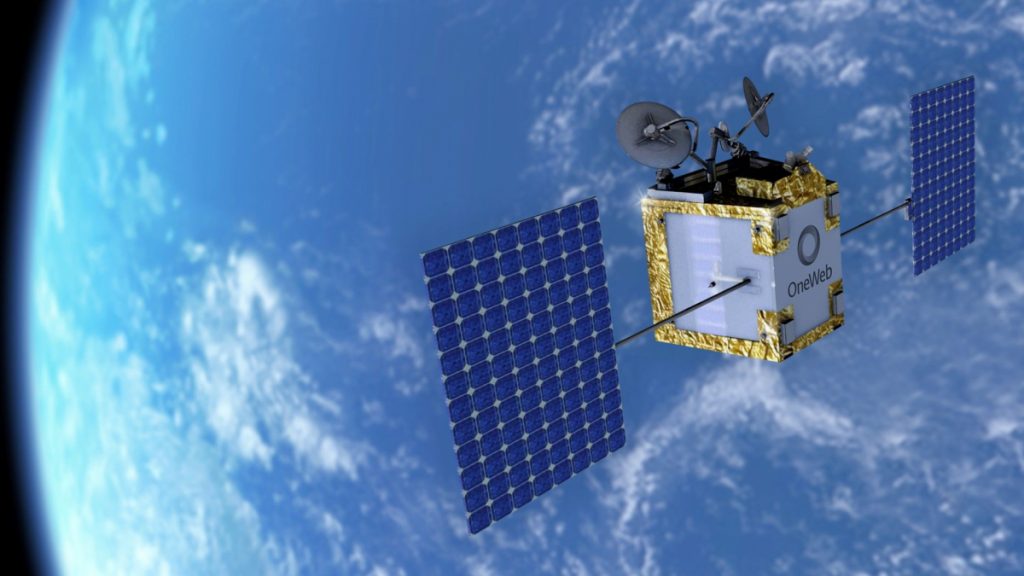
ESA / OneWeb - JoeySat
Launch:
2023
Payload:
MiniPIX SPACE
Orbit:
LEO
Vehicle:
JoeySat
TPX Units:
1
Objective:
JoeySat was designed to validate advanced technologies for the next generation of telecommunications satellite constellations. As part of the mission, ADVACAM’s high-resolution radiation monitoring payload was deployed to demonstrate real-time detection, classification, and tracking of cosmic radiation in orbit. The Timepix-based radiation camera measured the type, intensity, energy, and directional characteristics of energetic particles in space, providing valuable data for spacecraft operations and the protection of sensitive onboard electronics. The mission further contributed to the development of advanced radiation-monitoring and post-processing capabilities for future commercial satellite systems, with support from European Space Agency.
Read more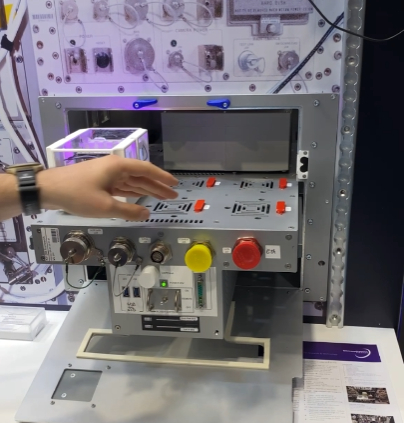
Space Applications - ICE CUBES
Launch:
2022
Payload:
MiniPIX
Orbit:
LEO
Vehicle:
ISS
TPX Units:
1
Objective:
ADVACAM’s compact MiniPIX TPX3 radiation detector, based on the Timepix3 chip developed at CERN, was deployed aboard the International Space Station as part of the ICE Cubes program operated by Space Applications Services. The mission demonstrated the use of miniaturized, low-power radiation monitoring technology for commercial and scientific in-orbit experiments. The detector provided detailed radiation data for future biological, technological, and materials research in space, while supporting the development of commercial research infrastructure and real-time experiment operations aboard the ISS.
Read more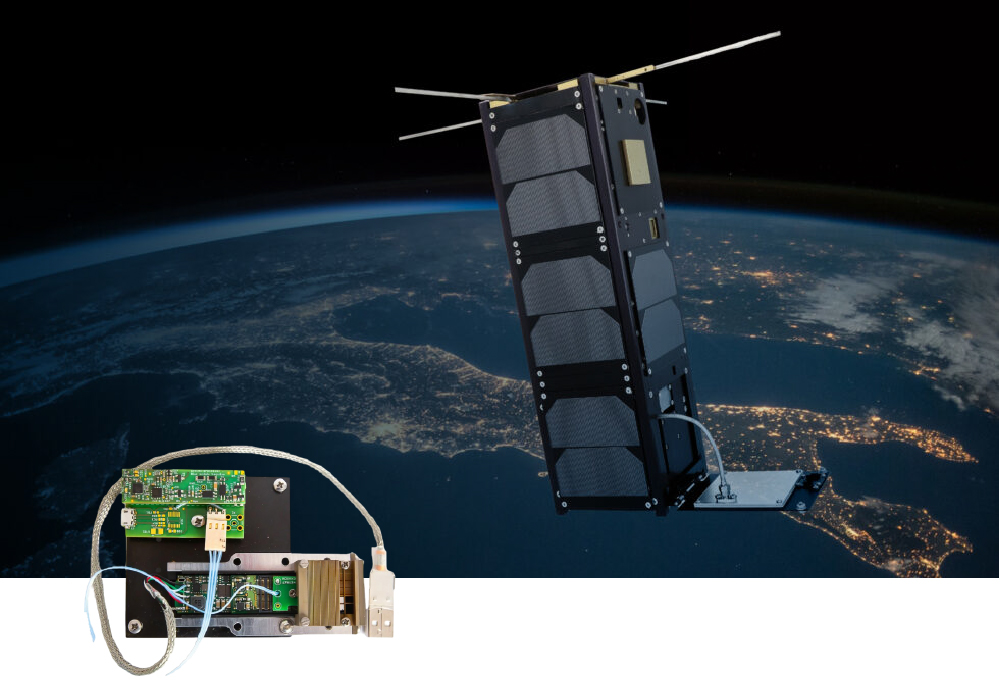
VZLUSAT-2
Launch:
2022
Payload:
MiniPIX SPACE
Orbit:
LEO
Vehicle:
Falcon 9, 2U CubeSat
TPX Units:
1
Objective:
VZLUSAT-2 demonstrated the integration of ADVACAM’s MiniPIX-based radiation detector technology into compact CubeSat platforms. Thanks to their low power consumption and miniature dimensions, MiniPIX detectors are suitable even for the smallest satellite missions requiring advanced radiation monitoring capabilities. The nanosatellite was developed by the Czech Aerospace Research Centre as part of the Czech Republic’s growing space technology ecosystem. ADVACAM contributed its hybrid pixel detector MiniPIX TPX Standard to support in-orbit radiation measurements and technology validation. Launched aboard Falcon 9 during the Transporter-3 mission, VZLUSAT-2 focused on verifying technologies for future Czech satellite constellations and next-generation space instrumentation.
Read more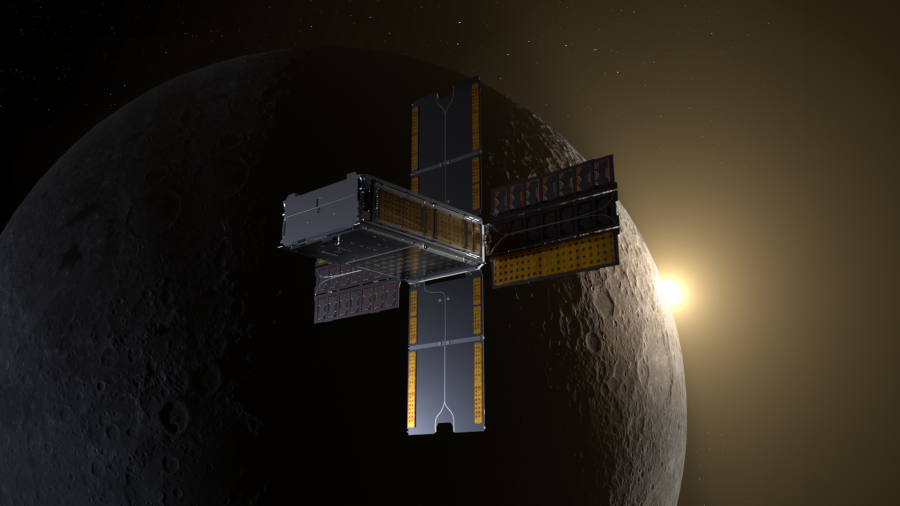
NASA - Biosentinel
Launch:
2022
Payload:
Biosentinel
Orbit:
LEO
Vehicle:
Space Launch System, 6U Cubesat
TPX Units:
1
Objective:
NASA’s BioSentinel, a six-unit (6U) CubeSat, launched to deep space on Nov. 16, 2022. The spacecraft remains healthy and continues to study space radiation on its deep space jouney, traveling approximately 16 million miles further away from Earth every year. The BioSentinel mission was selected as one of the secondary payloads – and the sole biological experiment – to have the rare opportunity to catch a ride to deep space on Artemis I, the first integrated flight test of NASA’s Space Launch System. The primary objective of BioSentinel is to develop a biosensor instrument to detect and measure the impact of space radiation on living organisms over long durations beyond low Earth orbit. While progress identifying and characterizing biological radiation effects using Earth-based facilities has been significant, no terrestrial source can fully simulate the unique radiation environment encountered in deep space.
Read more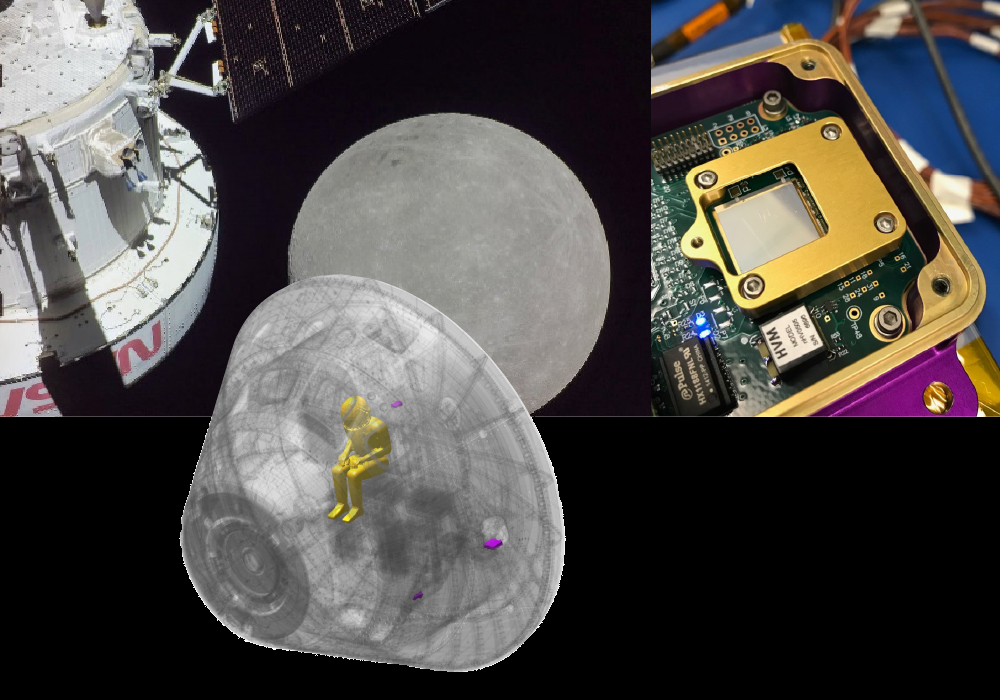
NASA - Artemis I
Launch:
2022
Payload:
HERA (Hybrid Electronic Radiation Assessor)
Orbit:
Lunar Orbit
Vehicle:
Orion Spacecraft
TPX Units:
2
Objective:
Artemis I, an uncrewed Moon-orbiting mission, was successfully launched on November 16, 2022. The mission’s primary objective was to conduct a Moon flyby, thereby testing the Orion spacecraft, which included NASA’s Hybrid Electronic Radiation Assessor (HERA). The HERA system, a cutting-edge radiation detector designed by NASA and equipped with ADVACAM’s hybrid pixel detector technology, was fully integrated into the spacecraft. HERA provided onboard analysis and displayed radiation dose rates, linking to an alarm and warning system that activated when a certain dose rate threshold was reached. The Orion spacecraft spent roughly three weeks in space, with six days dedicated to a distant retrograde orbit around the Moon. It came within approximately 130 km of the lunar surface and achieved a maximum distance from Earth of 432,210 km. Our chip-equipped HERA monitor will also be included in future NASA Moon missions Artemis II and beyond.
Read more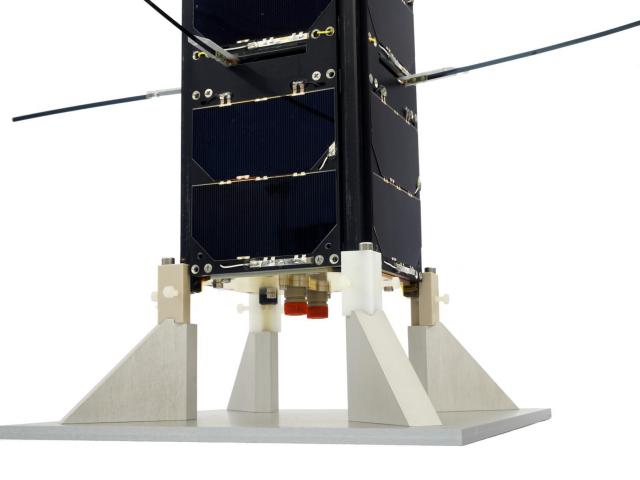
VZLUSAT-1
Launch:
2017
Payload:
VZLUSAT-1
Orbit:
LEO
Vehicle:
2U CubeSat
TPX Units:
1
Objective:
VZLUSAT-1 was a pioneering Czech nanosatellite mission focused on validating advanced space technologies, including a novel miniature X-ray telescope based on Lobster Eye optics and Timepix detector technology. The mission demonstrated wide-field X-ray imaging in the 3–60 keV energy range using optics developed by Rigaku Innovative Technologies Europe and pixel detector technology originating from Czech Technical University in Prague. In addition to astrophysical and space weather observations, VZLUSAT-1 tested advanced radiation shielding materials designed to improve protection of spacecraft electronics and future crewed space habitats. The satellite also participated in the international QB50 program, carrying the FIPEX instrument for in-situ measurements of atomic oxygen in the lower thermosphere. Throughout its operational lifetime, the mission provided valuable scientific and engineering experience for future Czech space projects and contributed to the advancement of compact radiation detection and X-ray imaging technologies for space applications.
Read more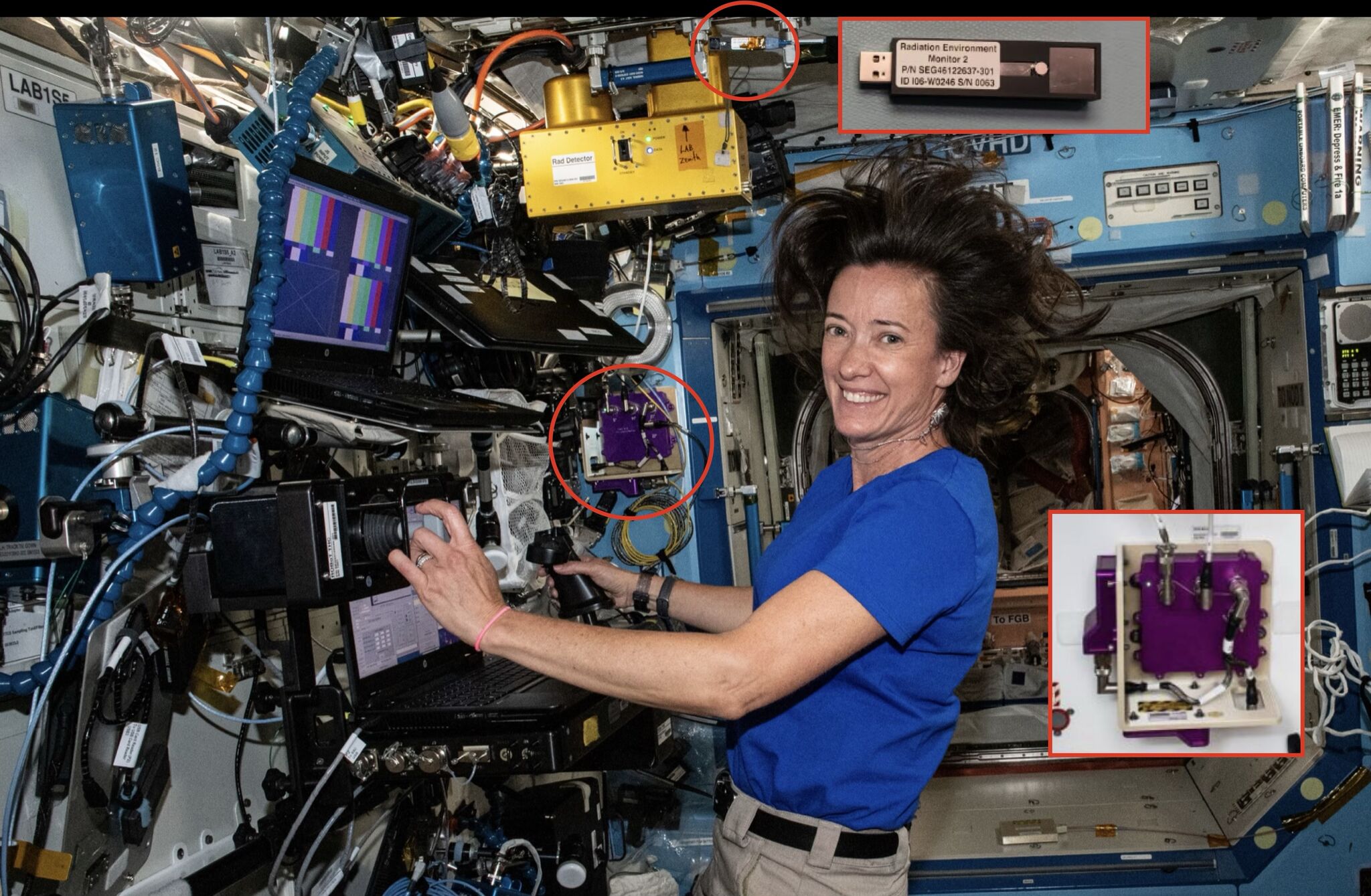
NASA - International Space Station
Launch:
2012 - Present
Payload:
MiniPIX TPX3 / REM2 / HERA 3
Orbit:
LEO
Vehicle:
ISS
TPX Units:
> 14
Objective:
International Space Station has served as a long-term operational platform for ADVACAM’s Timepix-based radiation monitoring technology. Over the past decade, ADVACAM has supplied multiple radiation detection systems to NASA, supporting radiation environment monitoring and astronaut safety aboard the station. The compact, low-power detectors enable detailed particle-by-particle radiation analysis, including dose measurement, energy deposition, and directional tracking of charged particles in orbit. Initial Timepix technology demonstrations on the ISS began in 2012, followed by the deployment of ADVACAM’s Miniature Particle Tracker (MPT) in 2017 and several MiniPIX detectors integrated into the Radiation Environment Monitor 2 (REM2) system in 2019. ADVACAM technology was also incorporated into NASA’s Hybrid Electronic Radiation Assessor (HERA), an advanced radiation monitoring system developed for future deep-space human exploration missions. HERA successfully operated aboard the ISS and is intended to support upcoming Artemis lunar missions and other long-duration crewed spaceflight activities.
Read more