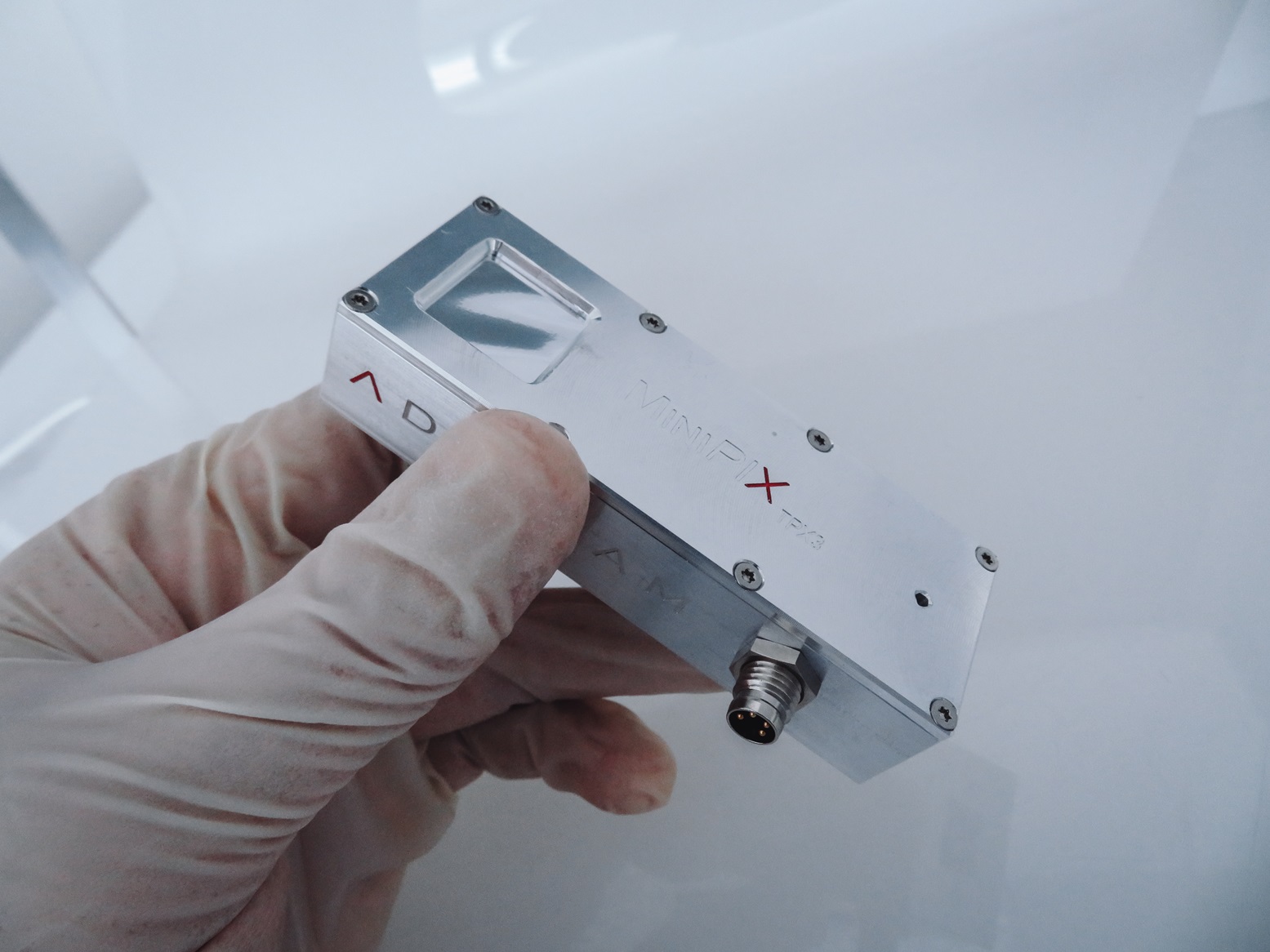
Radiation data for your space experiment
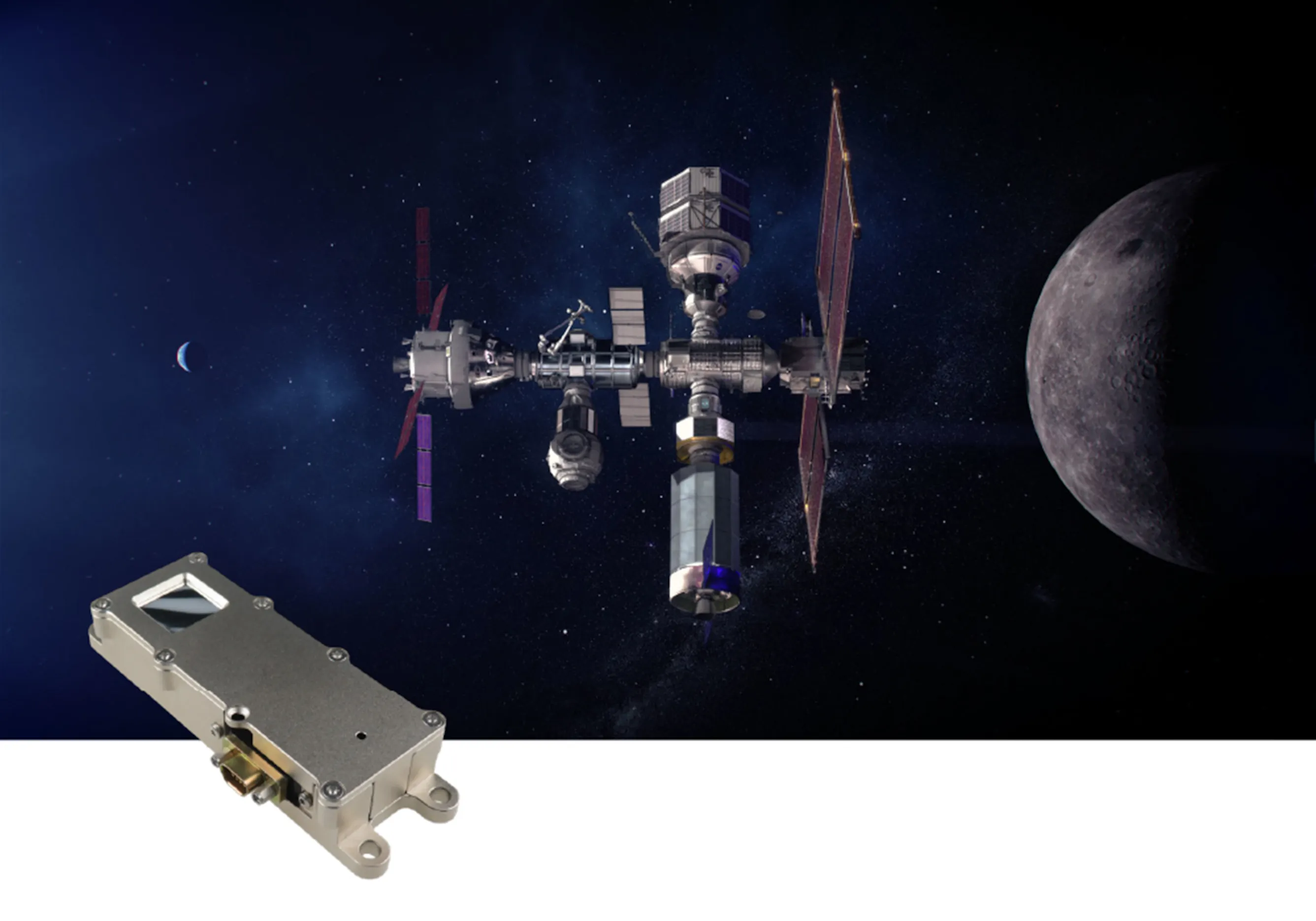
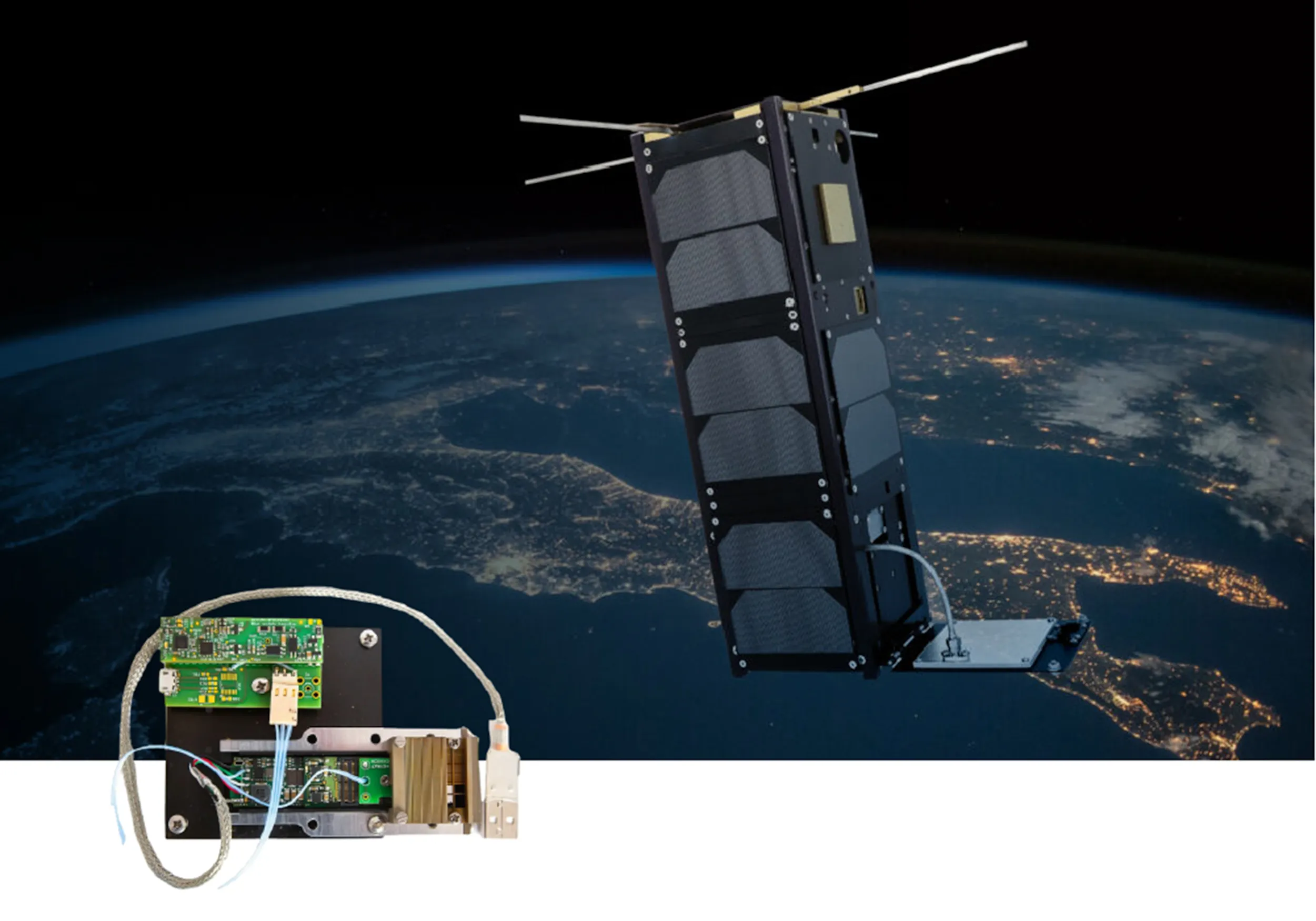
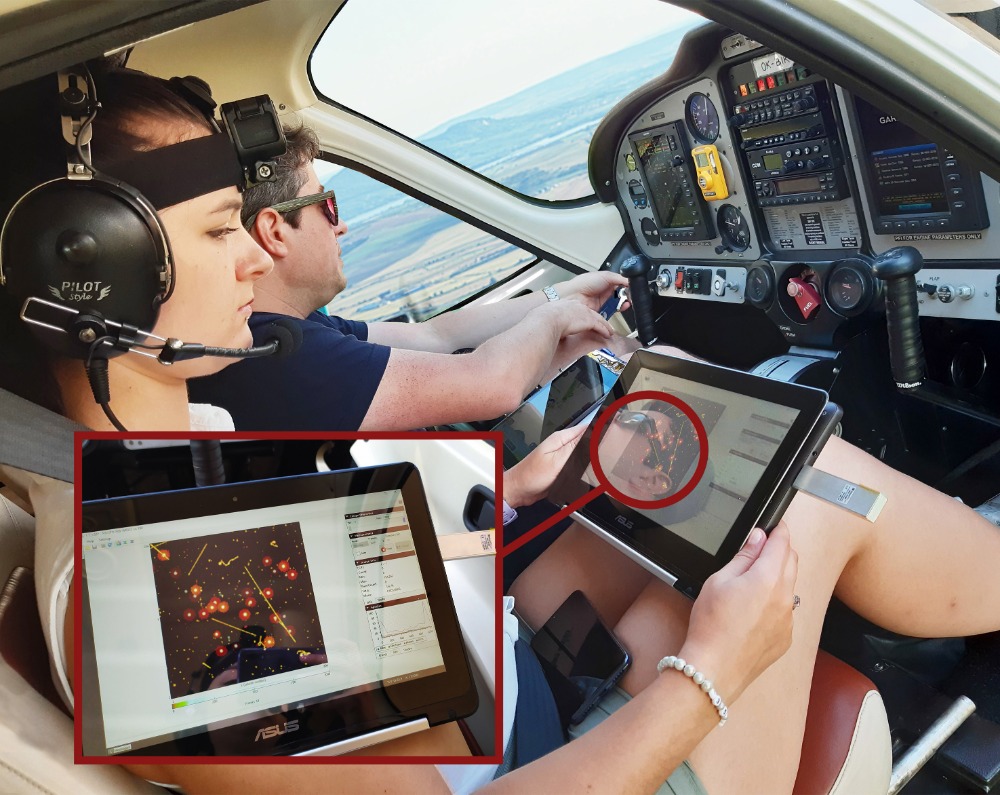
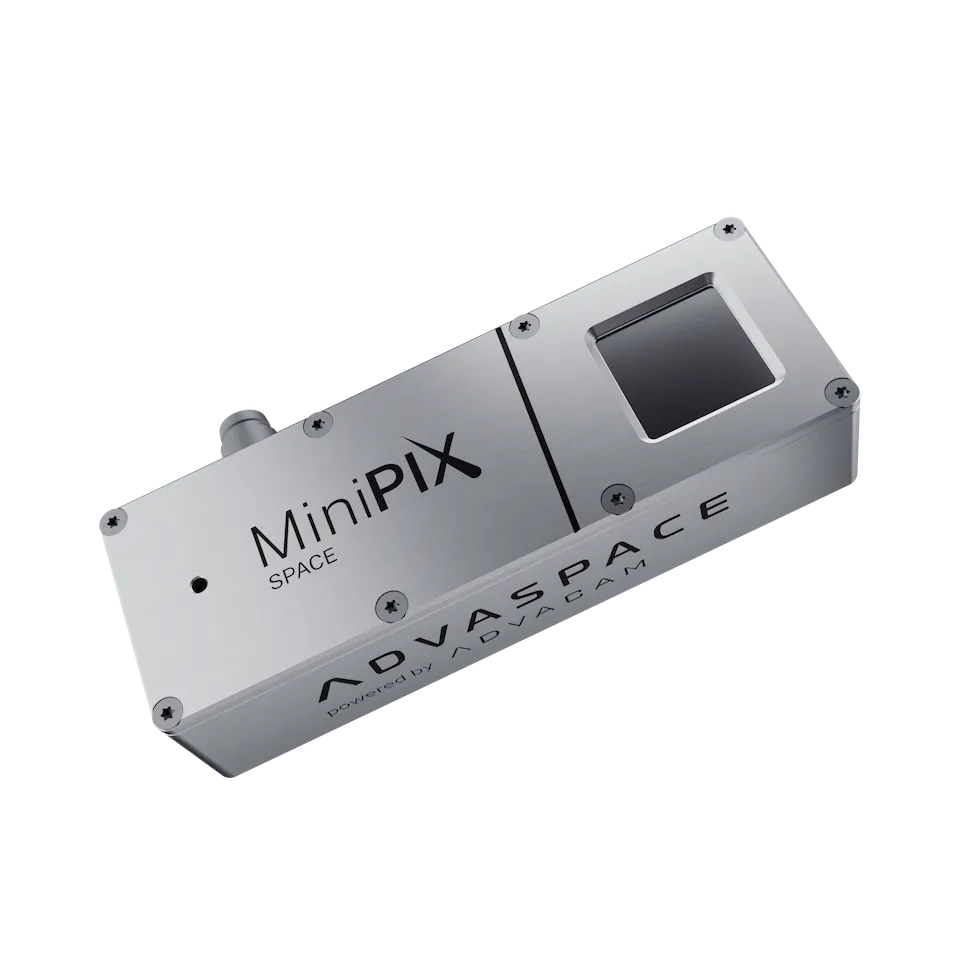
Thanks to their compact size, Timepix-based detectors are well suitable to be integrated for various space experiments.
Radiation data can be relevant for experiments in many fields, such as biosciences, pharma and tech. The effects of space particles on different materials and components remain still largely undescribed, which is why many companies need to test their products before introducing them to the market.
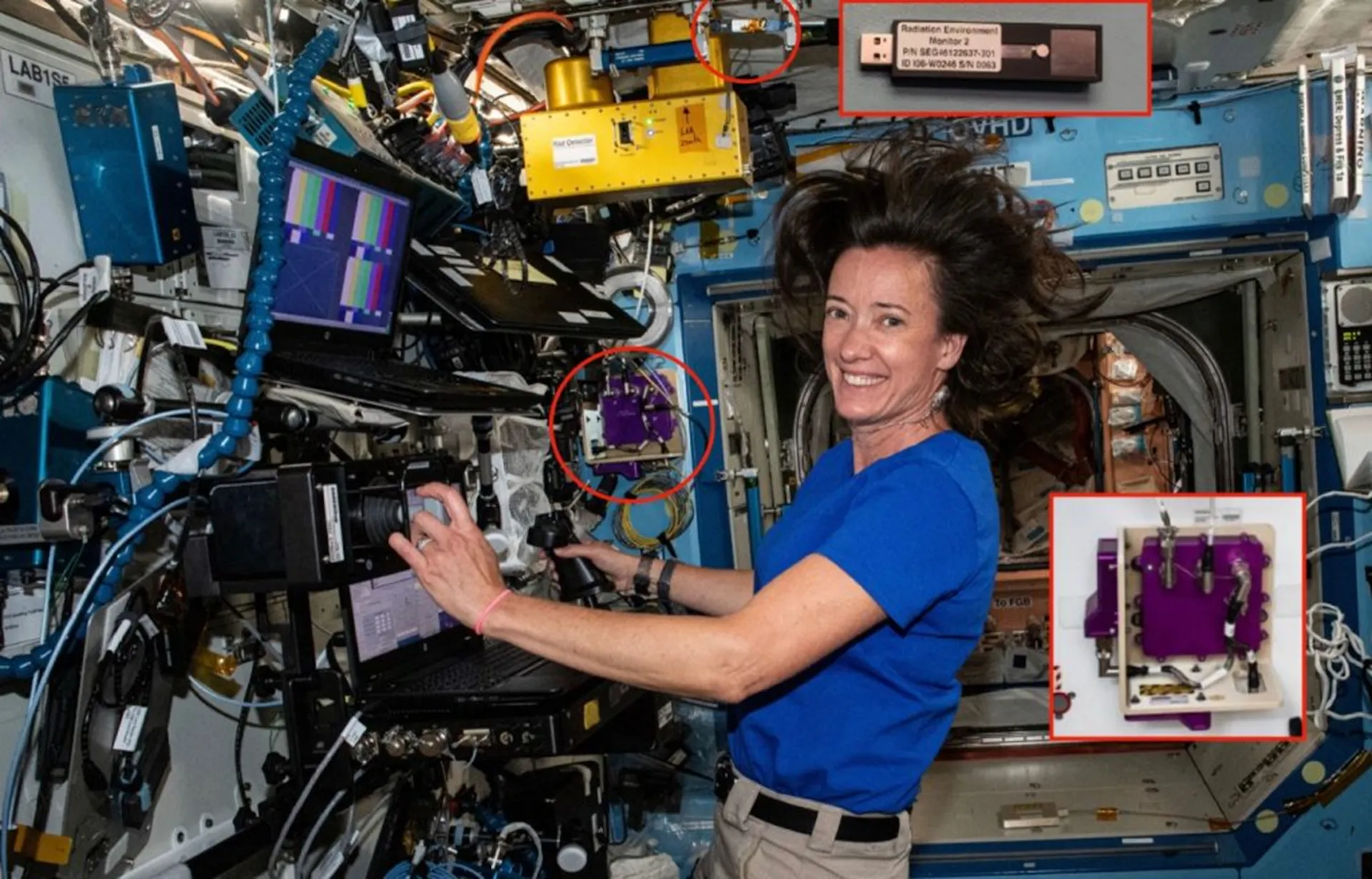
An excellent example of Timepix-based detector used to measure radiation data is integration with Space Application’s International Commercial Experiment Cubes systems. The ICE Cubes are complete sets allowing companies and scientists to perform experiments on the ISS from the ground.
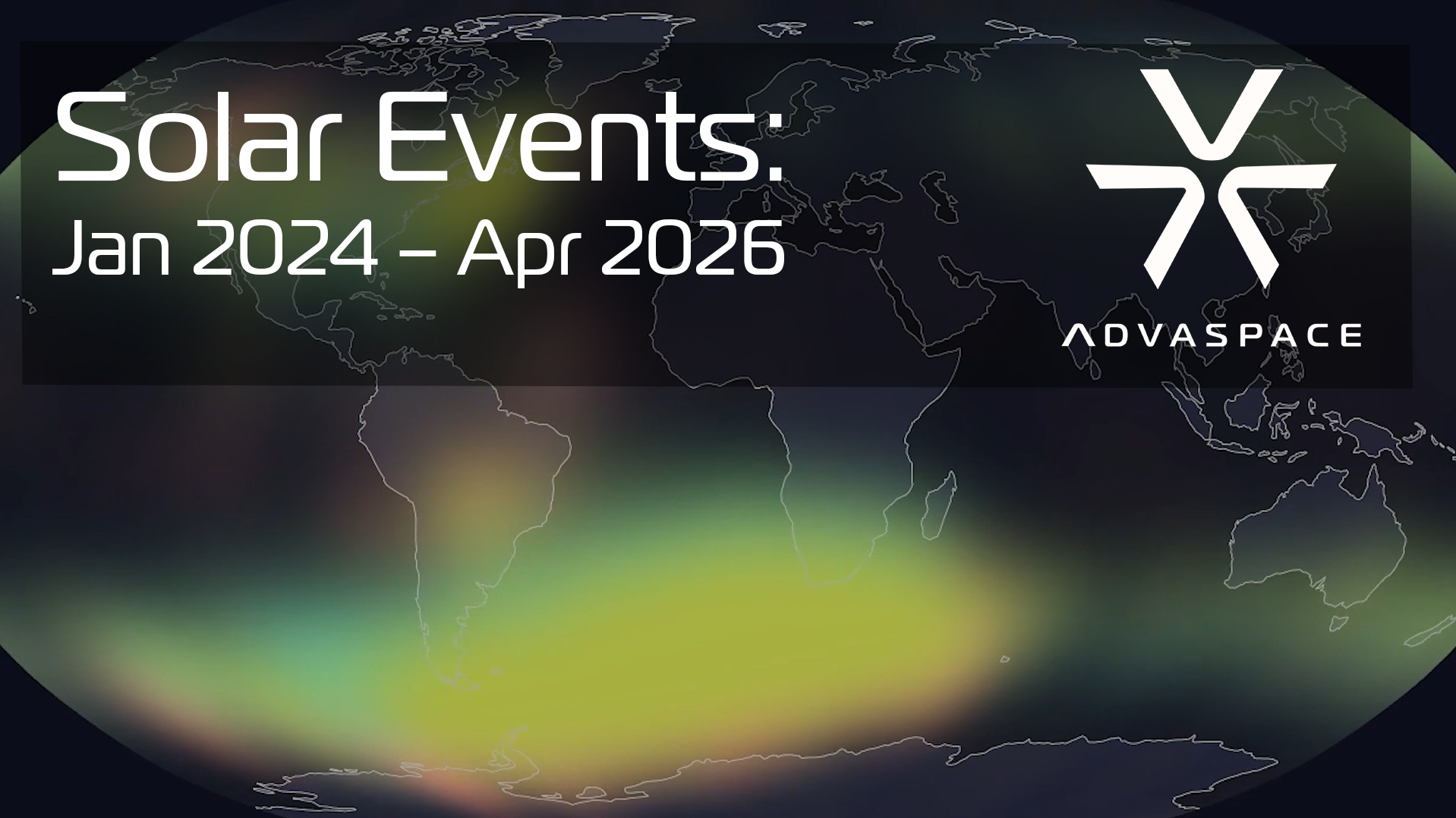
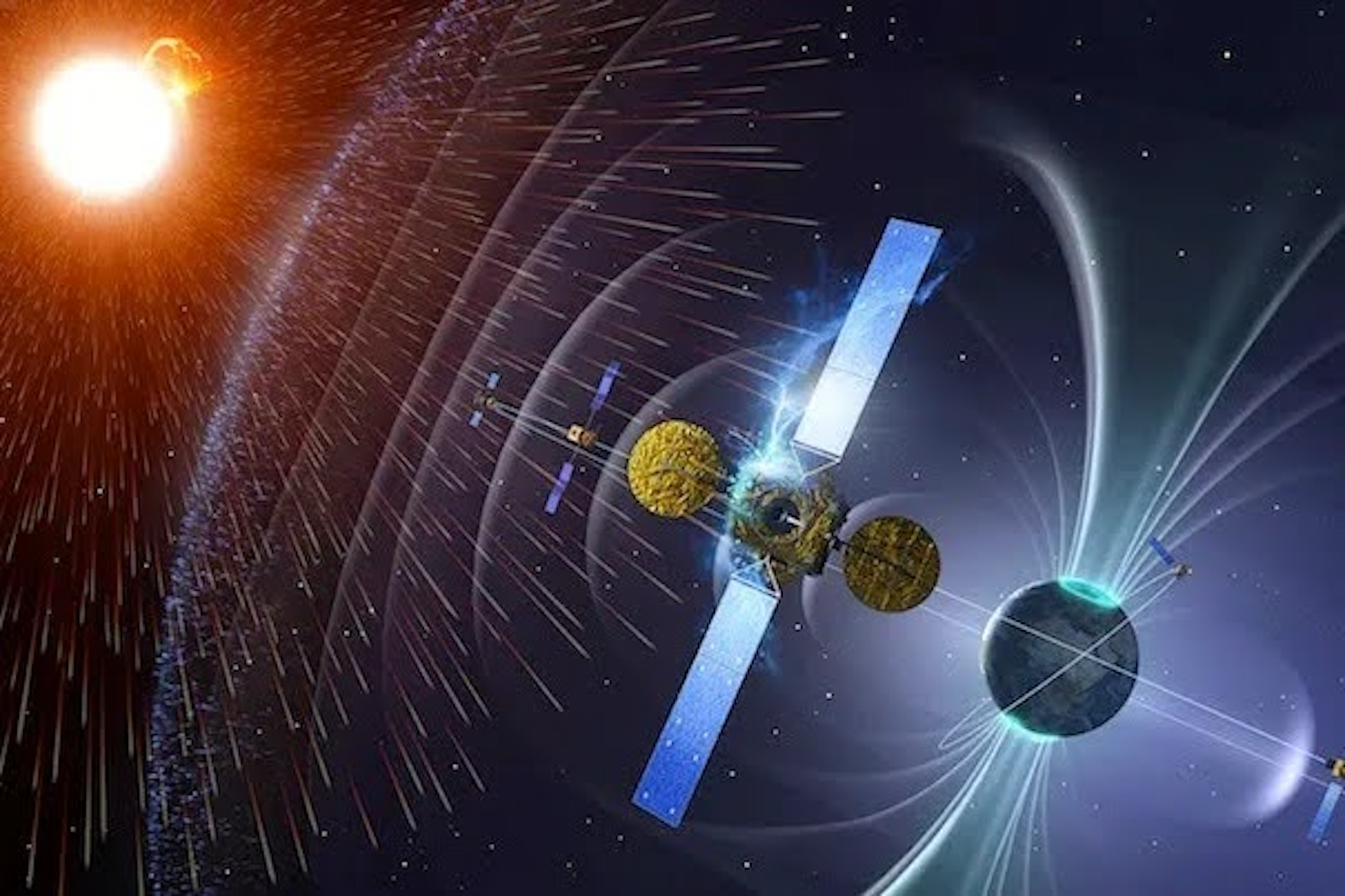
Another of ADVACAM’s partners, Vector Space BioSciences, is set to launch multiple satelites to document the impact of radiation on different biomaterials. The first launch is scheduled for 2025 and will include about 50 Tardigrades along with the Timepix2. Each individual payload will generate high-value data to be further analysed. There are also plenty of ground experiments that could be conducted. For instance studying the relationship of Earth's magnetic field and cosmic radiation by the South pole. That research was done by Matyáš Šanda during his stay at the Mendel Polar Station ran by Masaryk University. He collected data for 51 days right there at the station.
Applications