How Space Insurers Can Reduce Risk and Improve Liability Decisions with AdvaSpace Radiation Intelligence
As satellite constellations multiply and new regulatory frameworks such as the European Space Act begin to emphasize sustainability, maneuverability in low Earth orbit, and debris-mitigation responsibilities, insurers face a rapidly changing risk landscape.
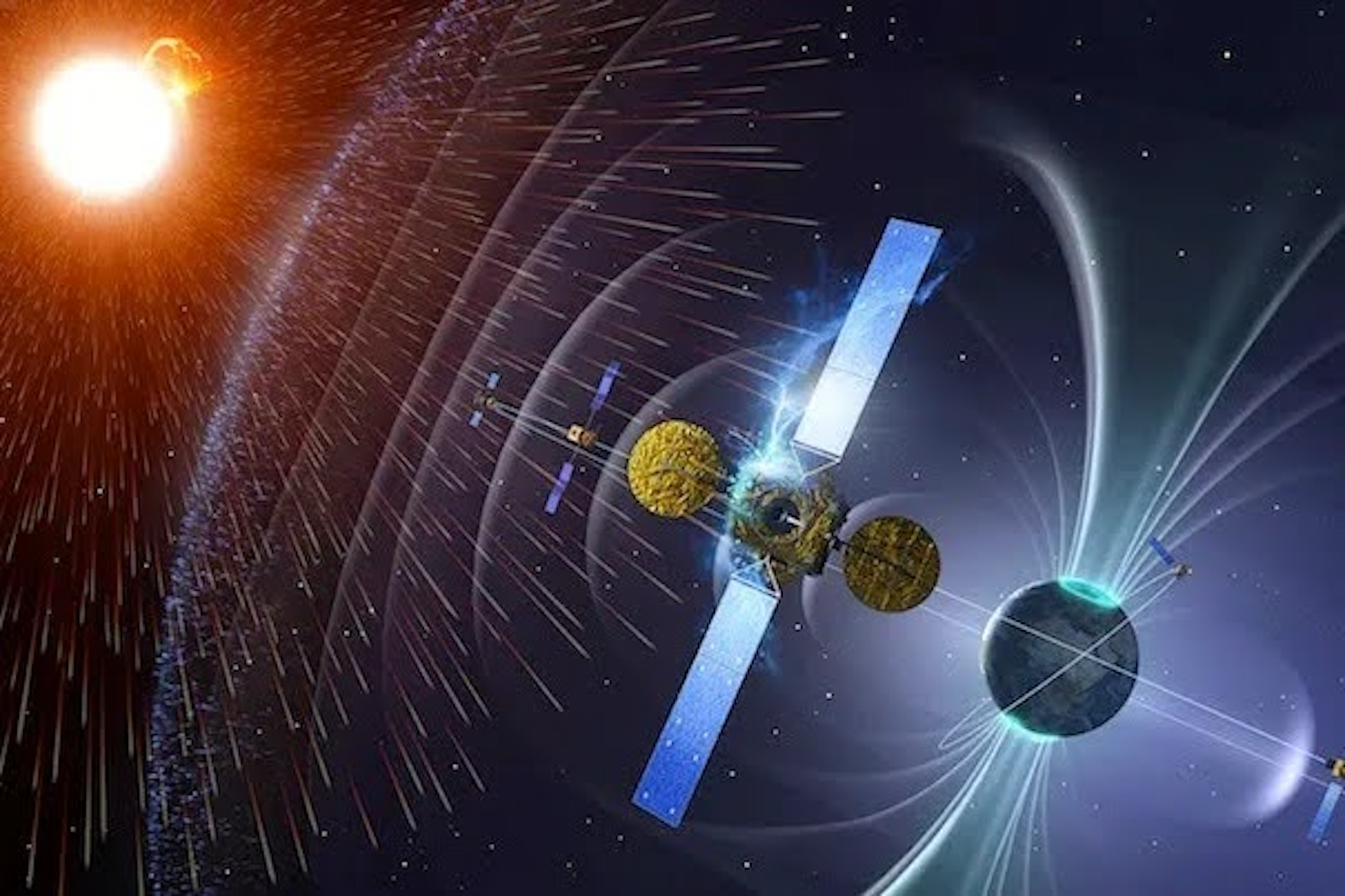
Operators are increasingly required to prove that their spacecraft remain controllable, responsibly deorbited at end-of-life, and protected against avoidable failures. Yet some of the most damaging threats to spacecraft, scuh as solar storms and cosmic radiation, remain largely outside human control.
Organizations including the European Space Agency, the European Union, and the United Nations have repeatedly highlighted space-weather risk in official analyses.
For insurers underwriting satellite missions, this creates a fundamental question:
How can liability, negligence, and compliance be fairly assessed when failures may be driven by uncontrollable radiation events rather than operator error?
The Challenge: Regulation Meets Force-Majeure Physics
Draft Space-Act legislation seeks to strengthen:
- sustainability of orbital operations
- space-traffic management
- debris prevention
- mandatory maneuverability in LEO
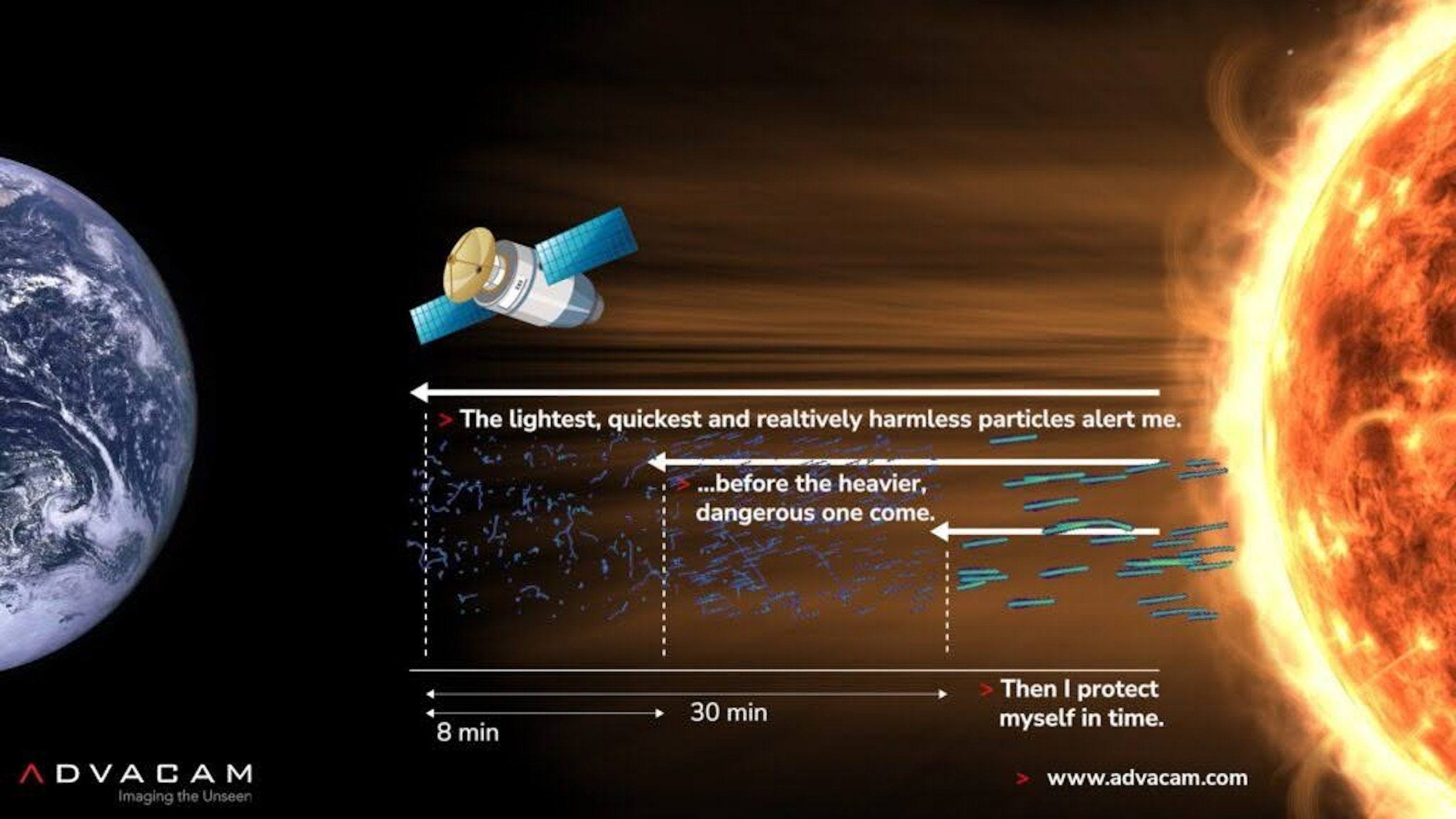
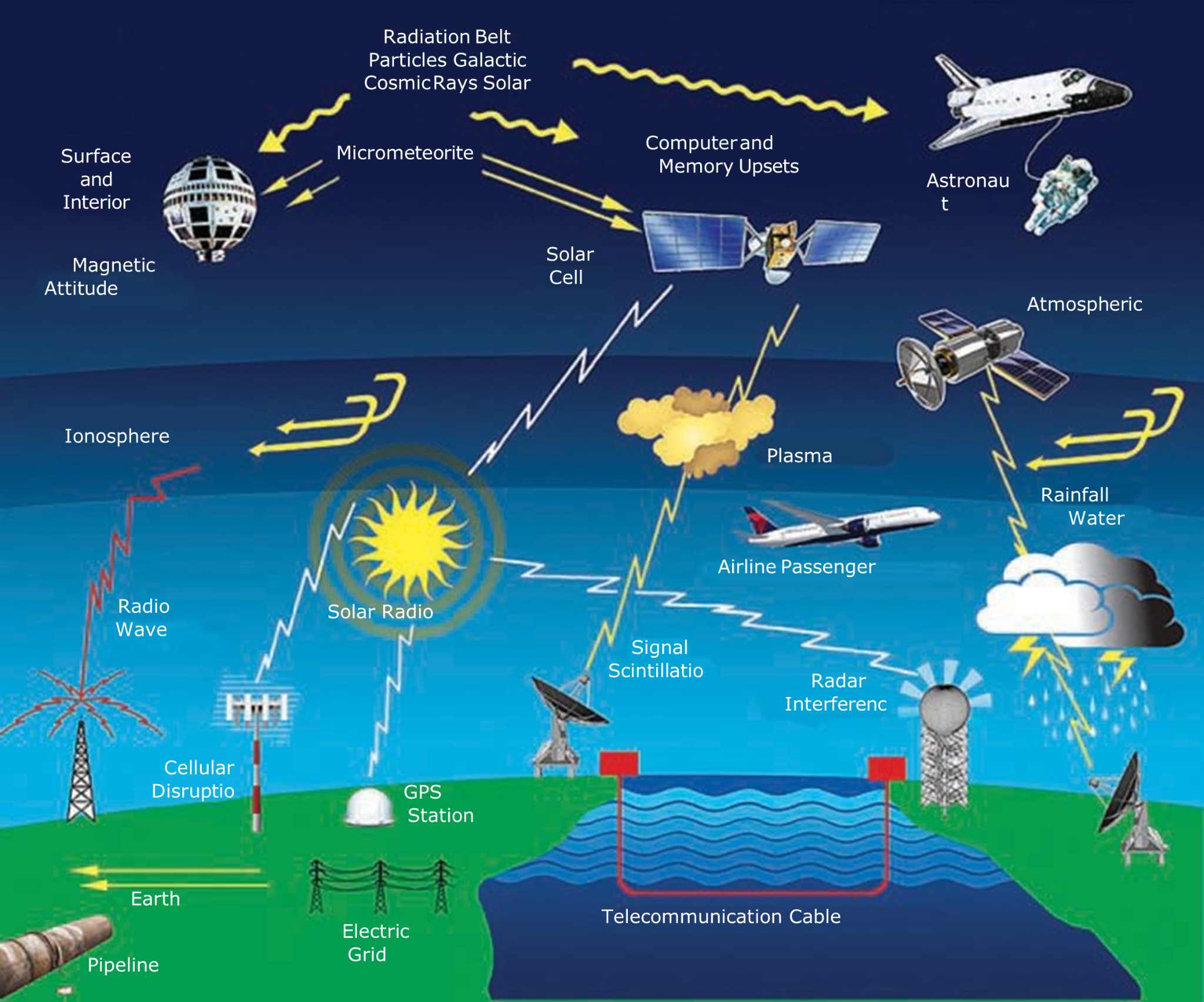
However, space-weather events (solar energetic particle storms, cosmic-ray flux variations, geomagnetic disturbances) can directly degrade avionics, reduce solar-panel output, or cause loss of attitude control.
Without objective radiation measurements, insurers and regulators must rely on models rather than evidence. This complicates:
- accident investigations
- determination of fault
- premium calculation
- enforcement of new regulatory duties
- design of mandatory satellite-insurance regimes
The AdvaSpace Approach: Turning Space Weather into Insurable Data
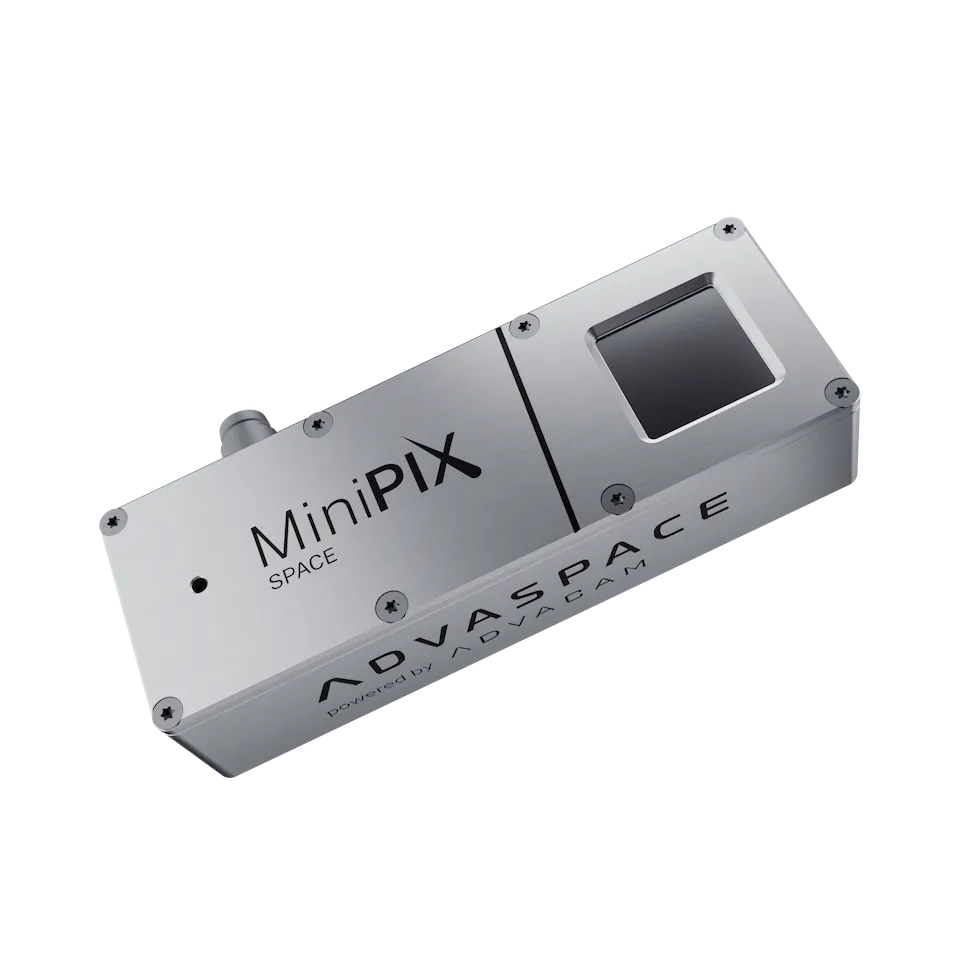
AdvaSpace, powered by ADVACAM’s flight-proven Timepix radiation-detector technology, addresses this gap by delivering:
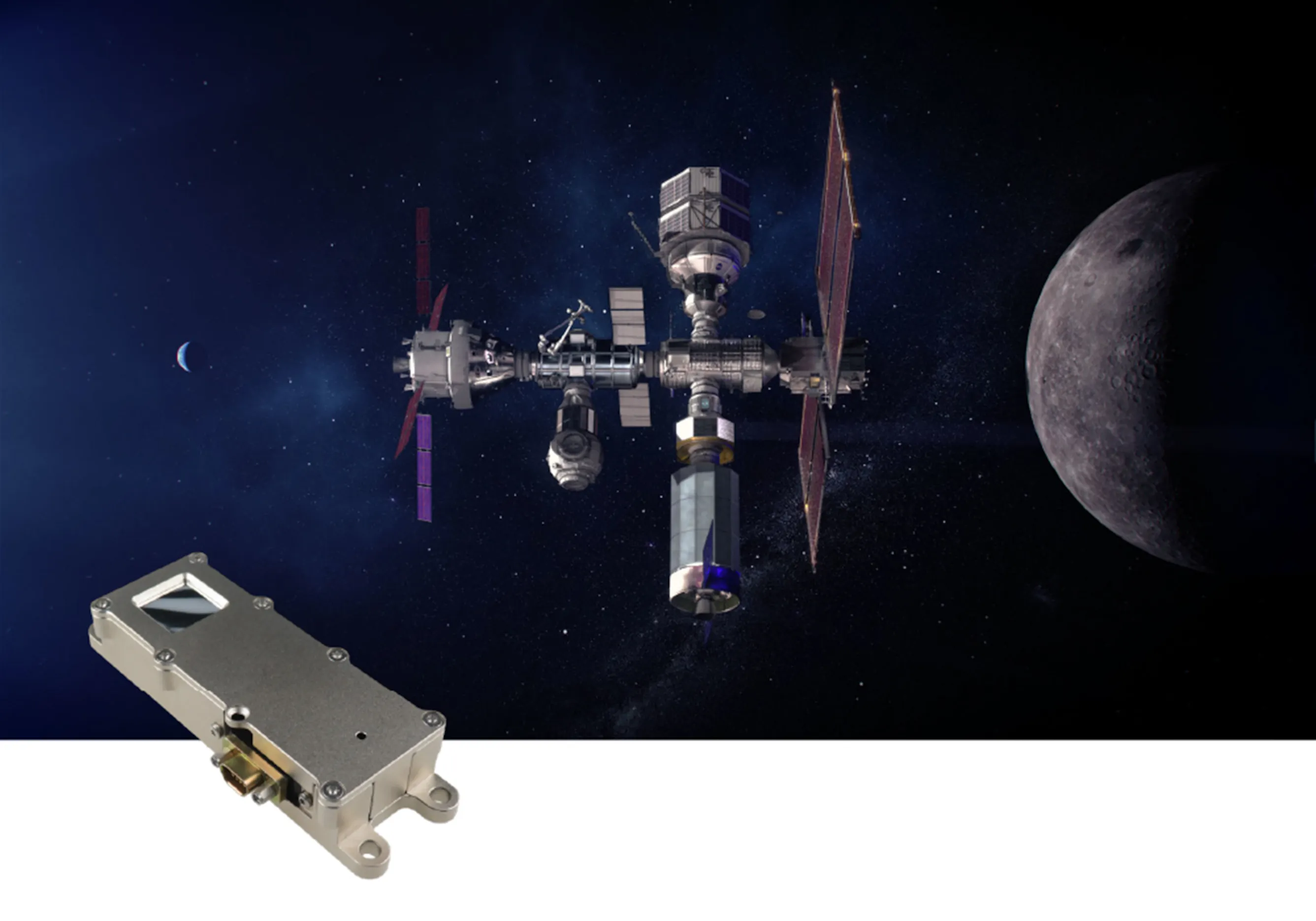
- MiniPIX SPACE radiation cameras for onboard spacecraft deployment
- expert post-processing using AdvaSpace’s TraX Engine analytics service
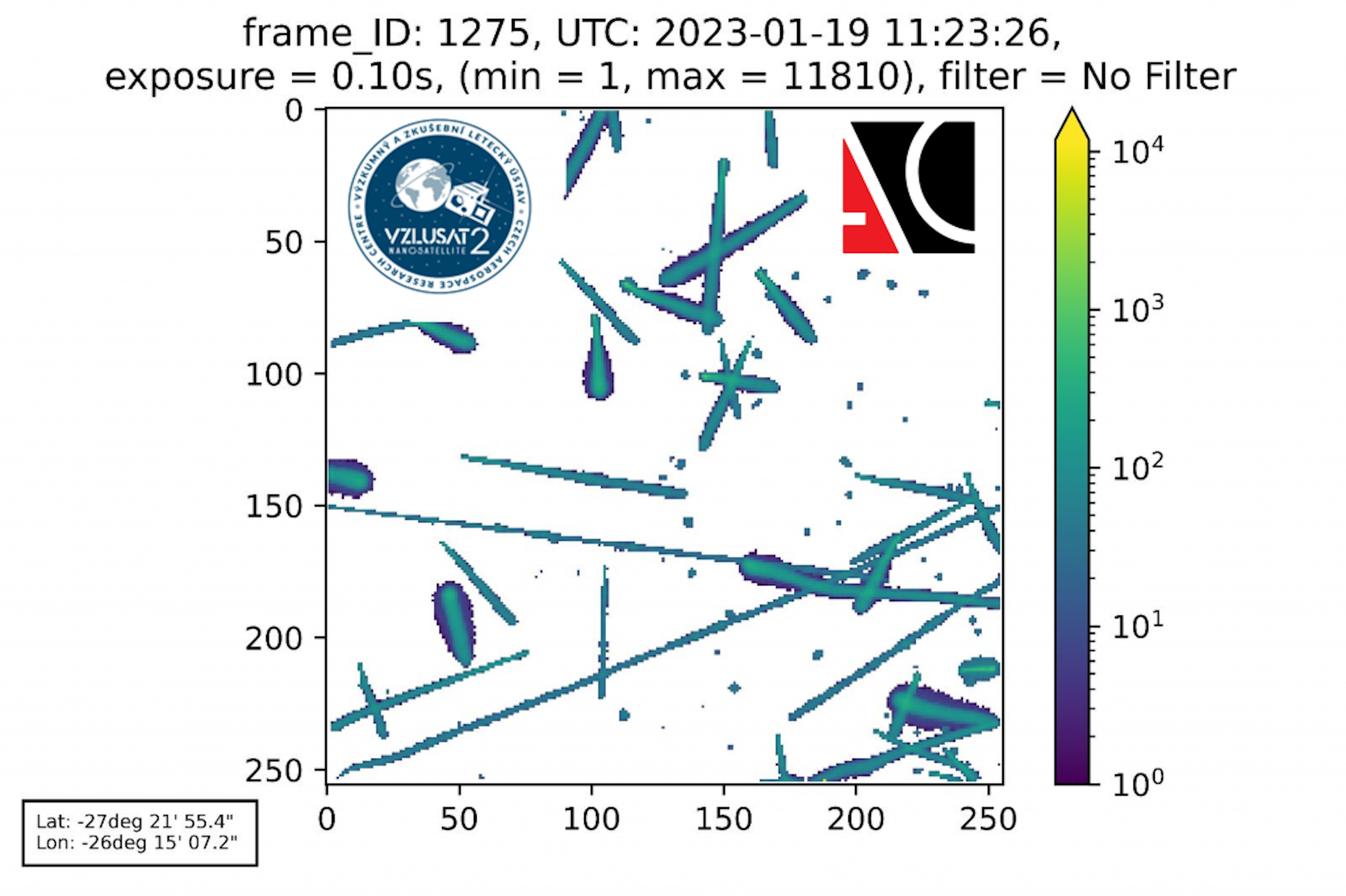
Instead of average radiation values, MiniPIX SPACE records every incoming particle, its energy, timing, and direction, creating legally defensible datasets of what the spacecraft actually experienced.
For insurers, this transforms radiation from an abstract hazard into quantified operational evidence.