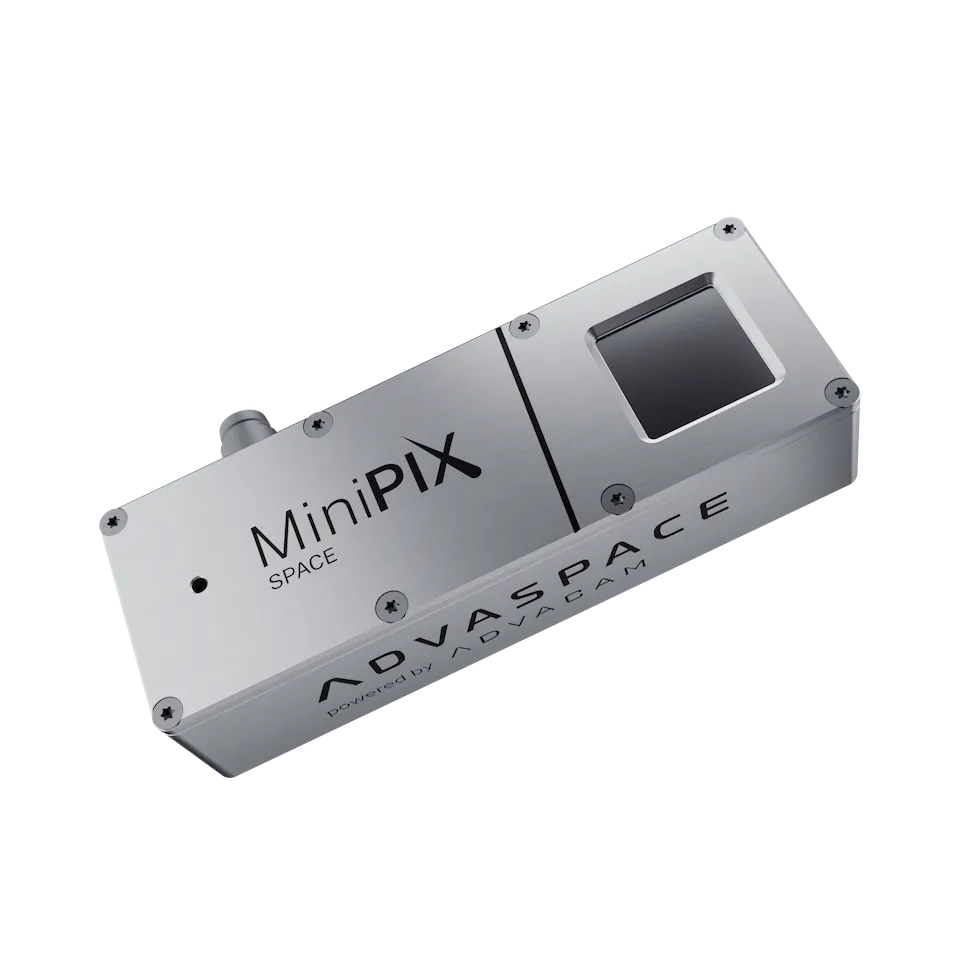
Case Story: Protecting Satellite Fleets with MiniPIX SPACE
By the end of this decade, tens of thousands of satellites are expected to operate in Earth orbit. For operators, this rapid growth brings new challenges: radiation damage, shortened spacecraft lifetimes, increasing regulatory pressure, and the risk of leaving uncontrolled satellites behind—contributing to orbital congestion and long-term sustainability concerns highlighted by organizations such as the European Space Agency and the United Nations.
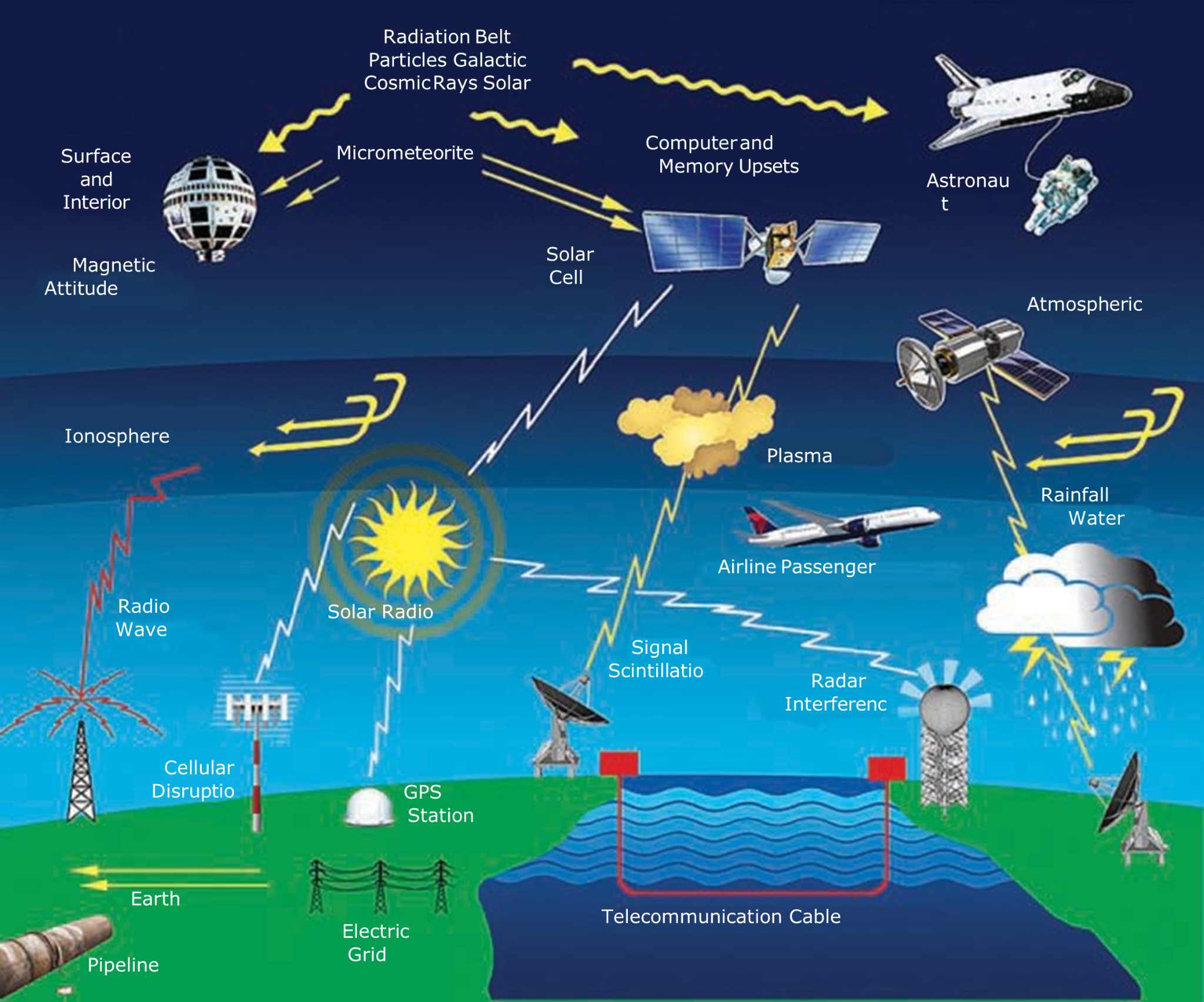
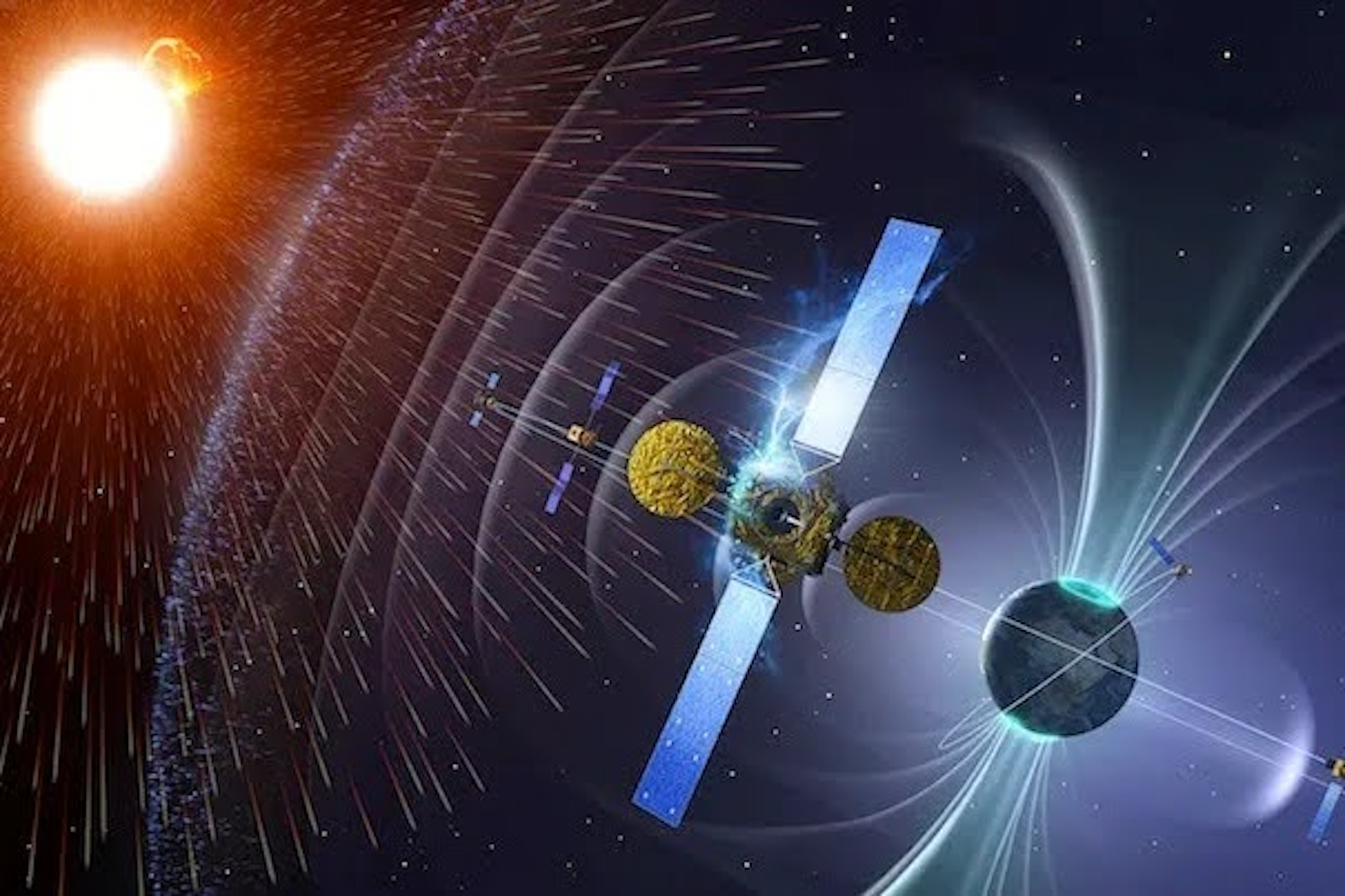
A European constellation operator faced exactly this dilemma. Several spacecraft had begun showing unexpected power degradation after solar storms, while others continued operating flawlessly. Without detailed radiation data, mission control could not determine which satellites were truly at risk—and which could safely remain in service instead of being prematurely deorbited.
That is where MiniPIX SPACE, delivered by AdvaSpace and powered by Timepix-based detector technology from ADVACAM, entered the picture.
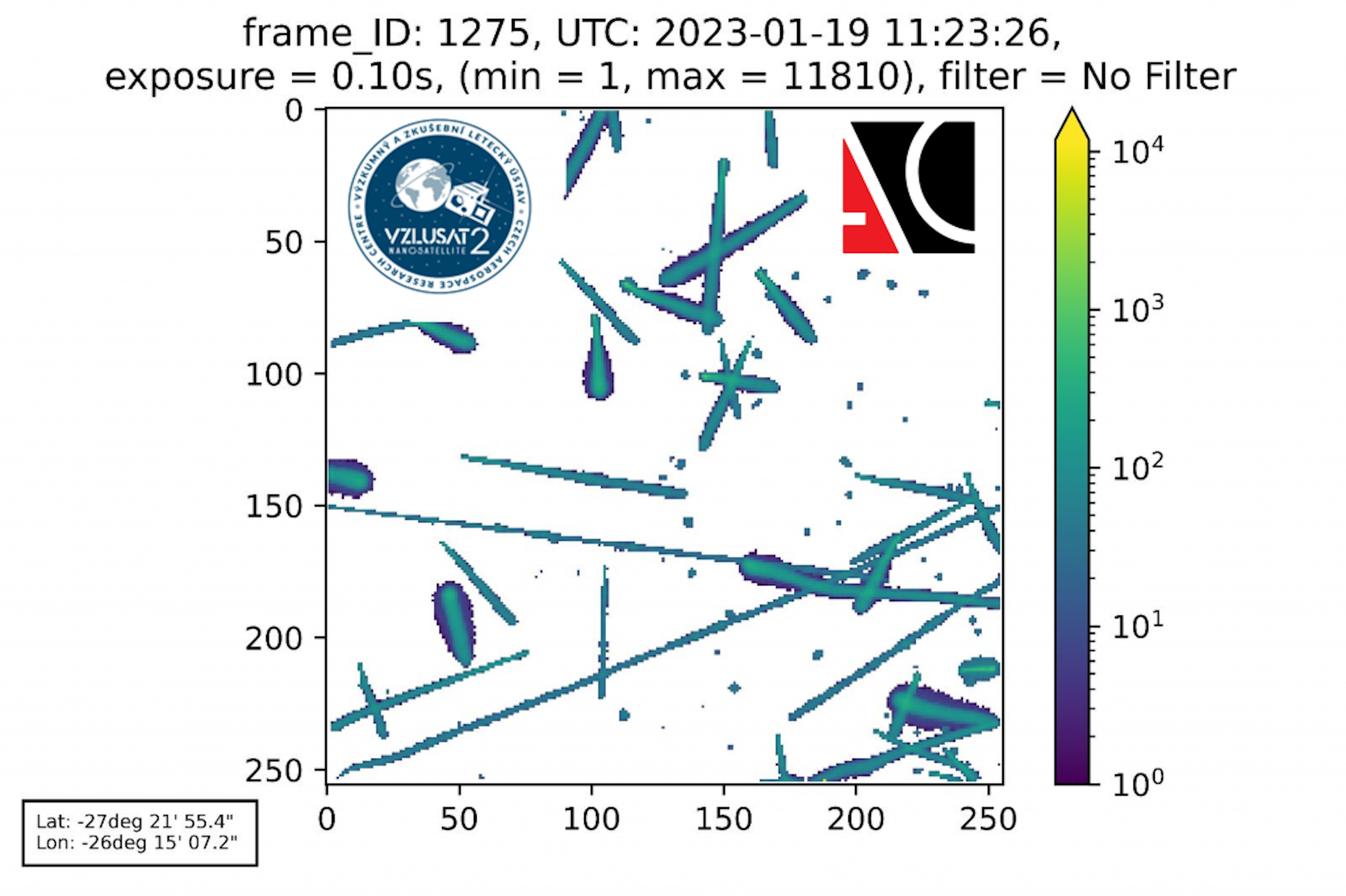
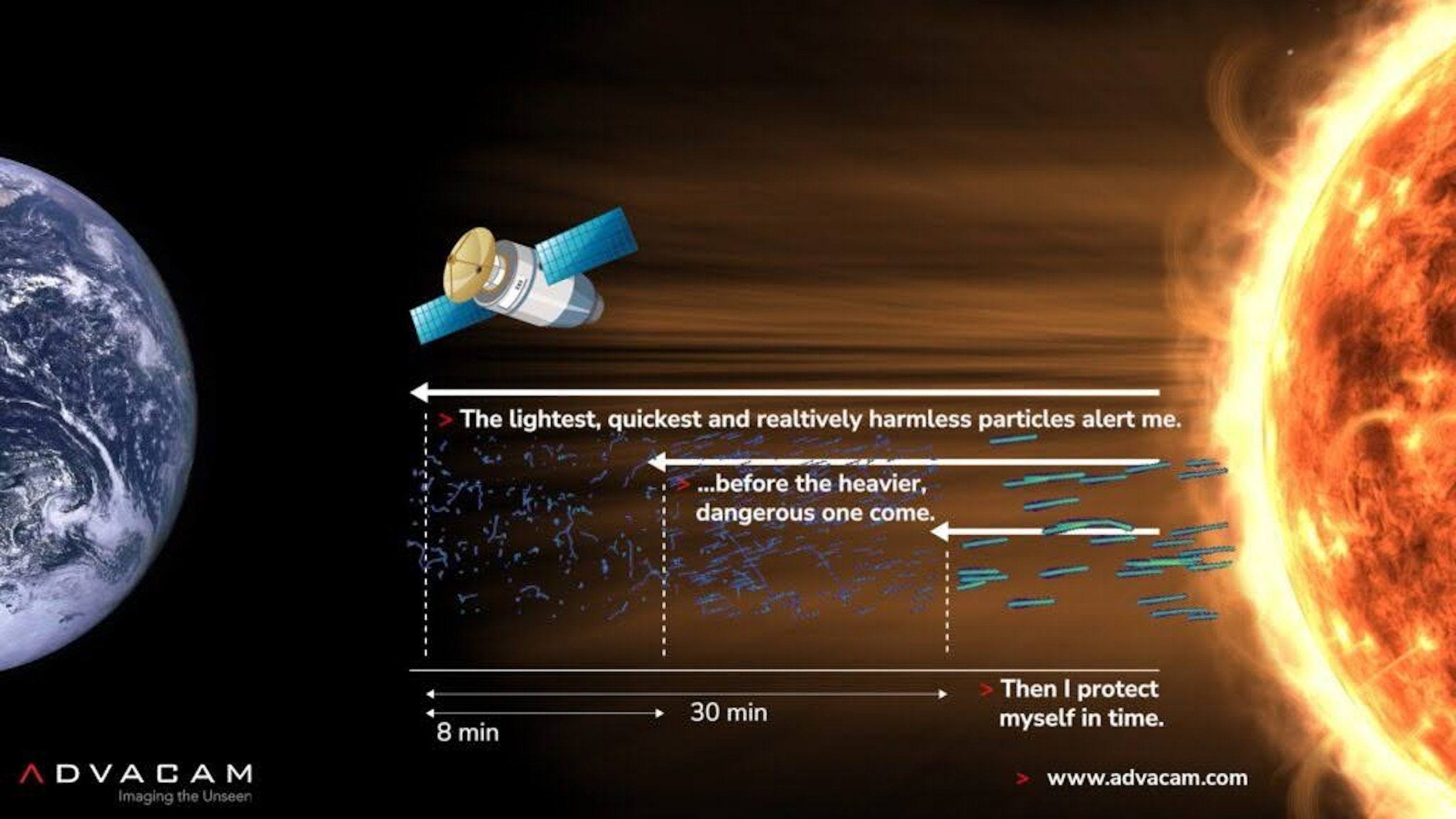
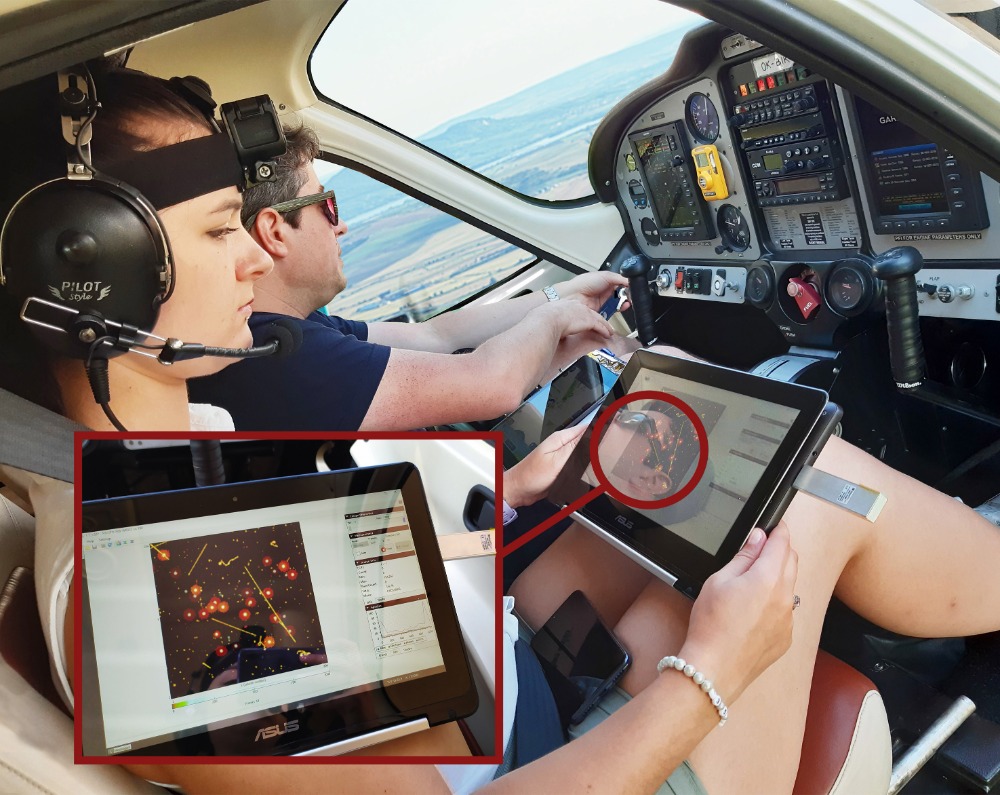
Installed onboard selected satellites, the compact, low-power camera provided particle-resolved radiation measurements instead of simple averaged dose values. Within weeks, operators gained a precise picture of which radiation events were genuinely harmful and which were benign background fluctuations. During later solar activity peaks, MiniPIX SPACE enabled early protective actions—placing spacecraft into safe mode and preserving sensitive electronics—while its long-term datasets supported decisions to safely extend mission lifetimes for unaffected satellites.
For smaller CubeSat operators, AdvaSpace complemented onboard hardware with subscription-based radiation monitoring services, removing the need to fly dedicated detectors while still benefiting from constellation-level space-weather intelligence.
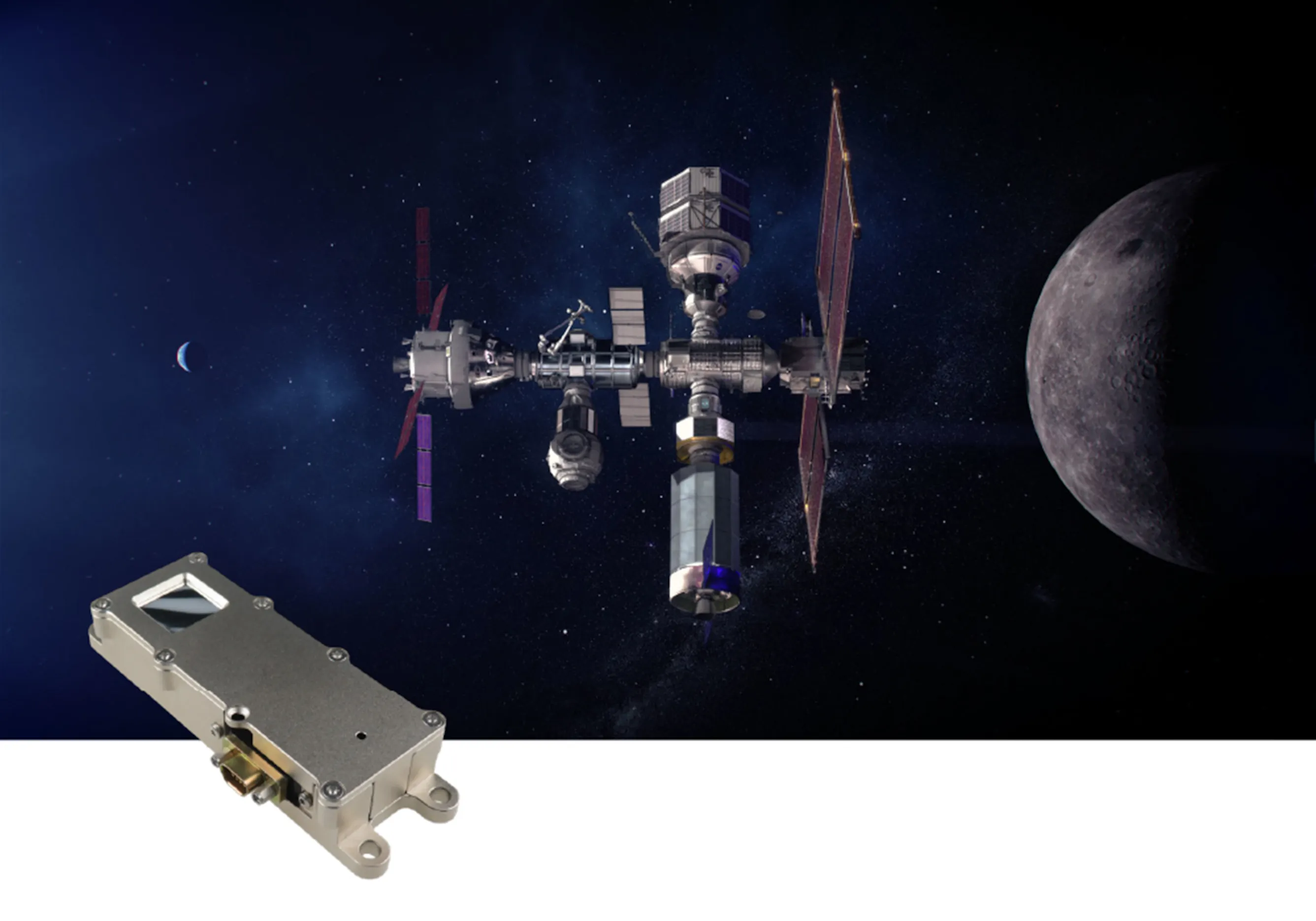
Deep-space mission planners also took note. For spacecraft venturing beyond Earth orbit—where radiation levels rise sharply—MiniPIX SPACE became a candidate payload for continuous environment monitoring and mission-critical decision support.
The outcome:
Operators reduced uncertainty, avoided unnecessary deorbiting, protected high-value assets during solar storms, and gained confidence in extending satellite lifetimes—saving substantial costs while contributing to more sustainable use of Earth orbit.