Insurance Use Case: A Solar Storm Claim
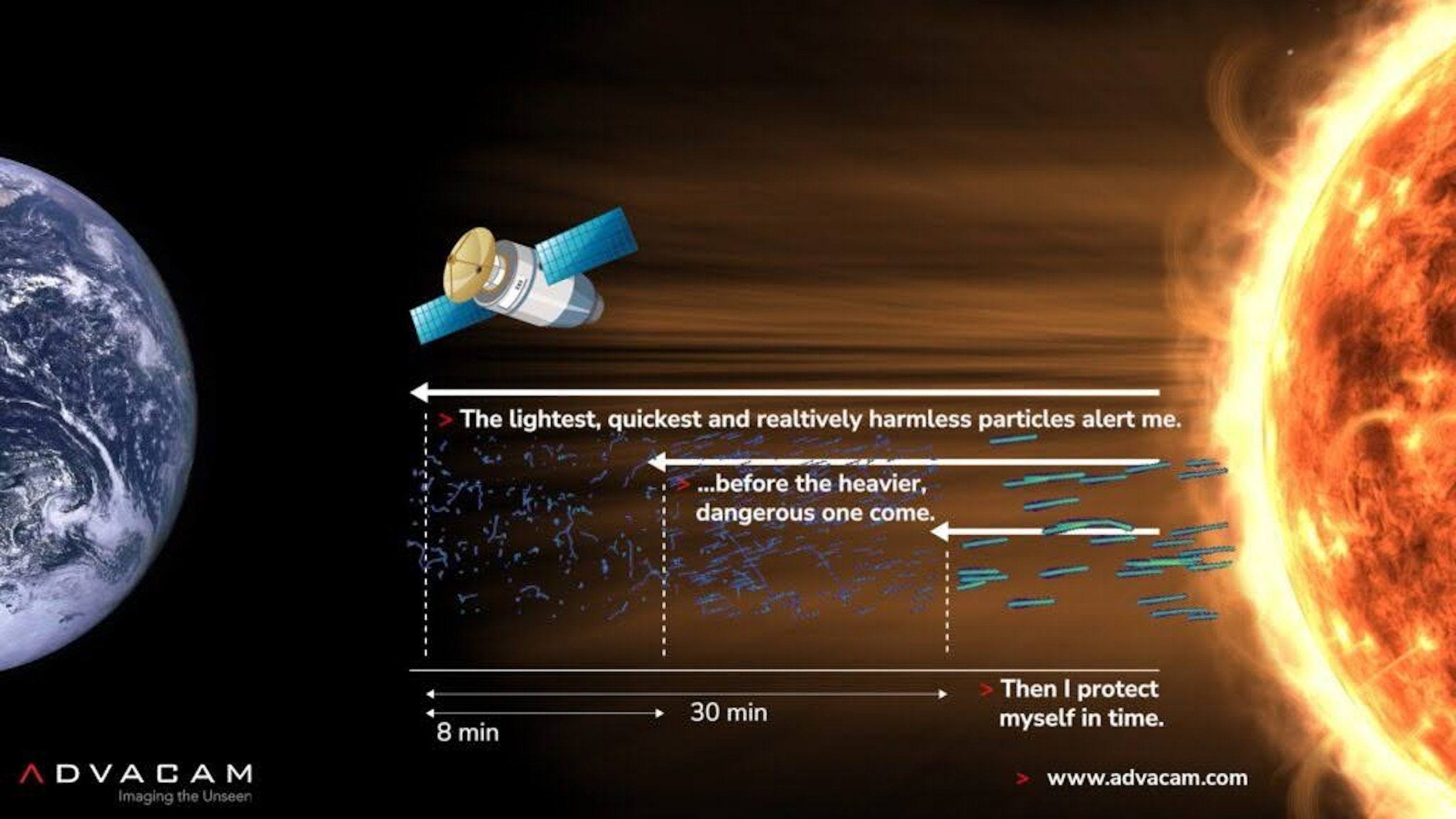
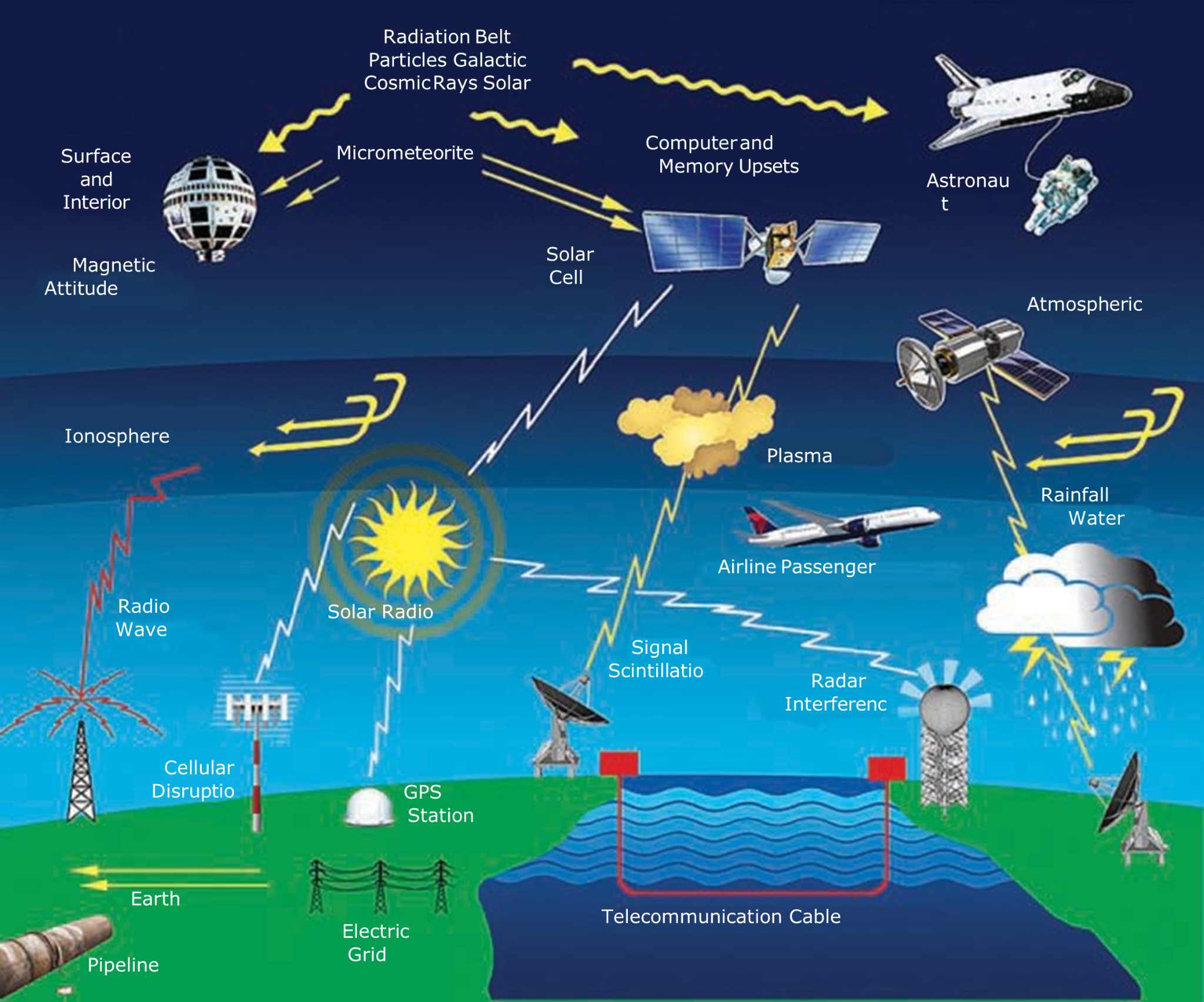
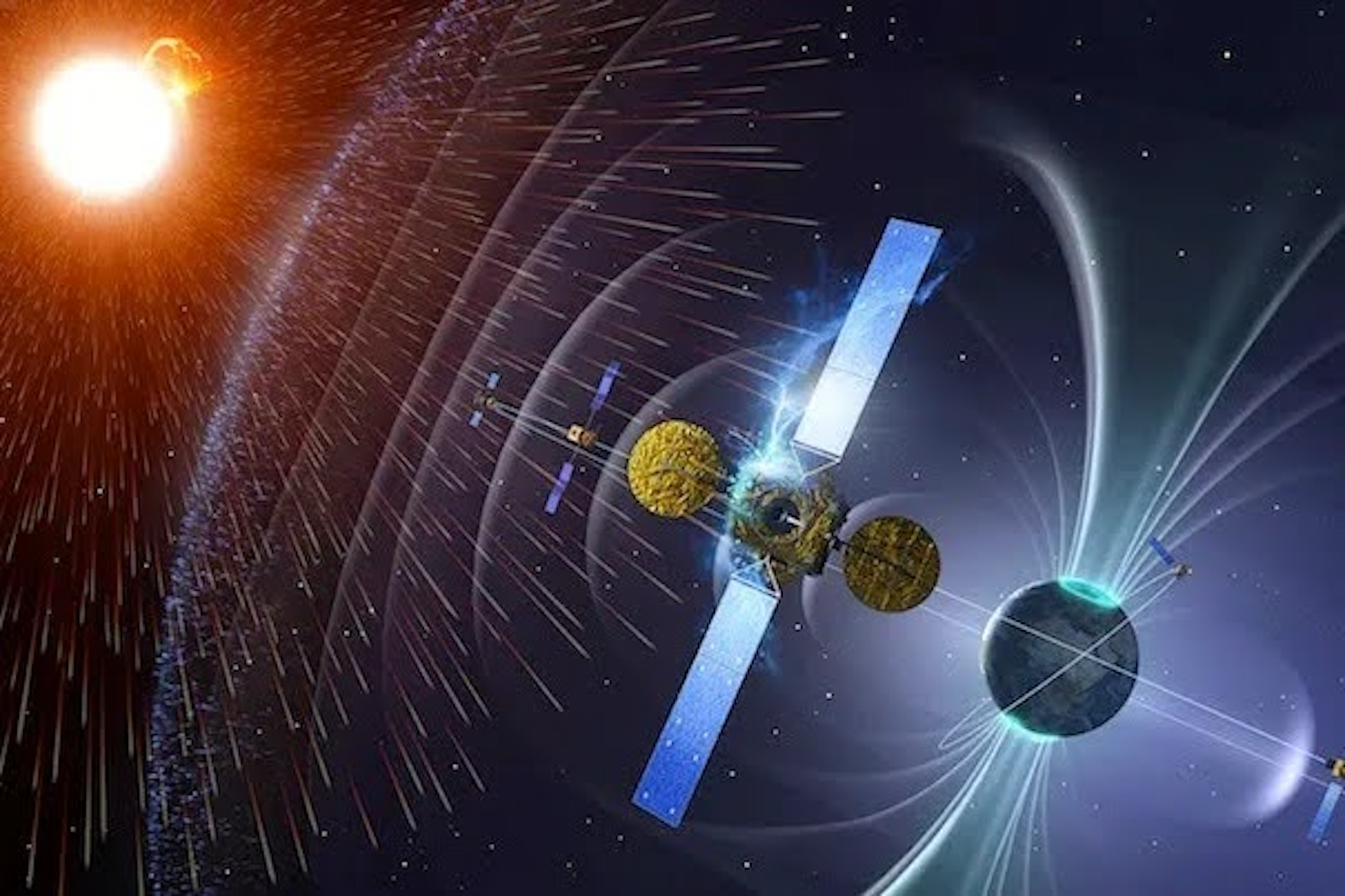
Following a severe solar event, several satellites in a commercial constellation experience partial power degradation and attitude-control anomalies. Under future Space-Act-driven rules and other space legislation, regulators investigate whether the operator failed to act quickly enough. Or whether the damage resulted from unavoidable external conditions.
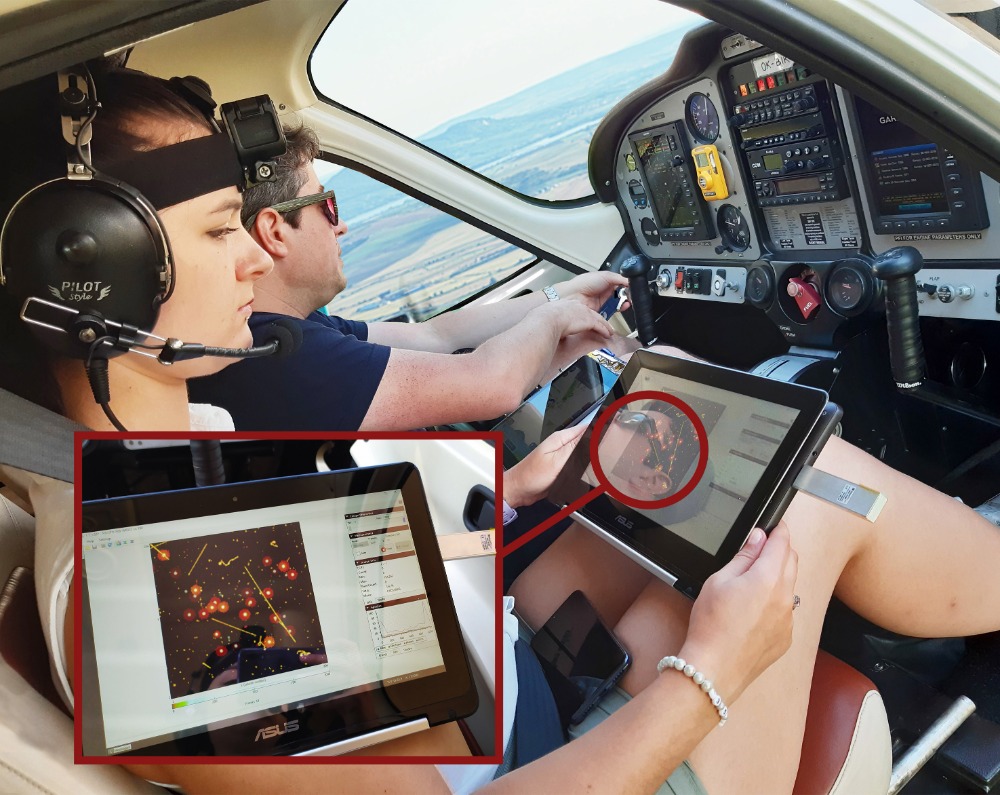
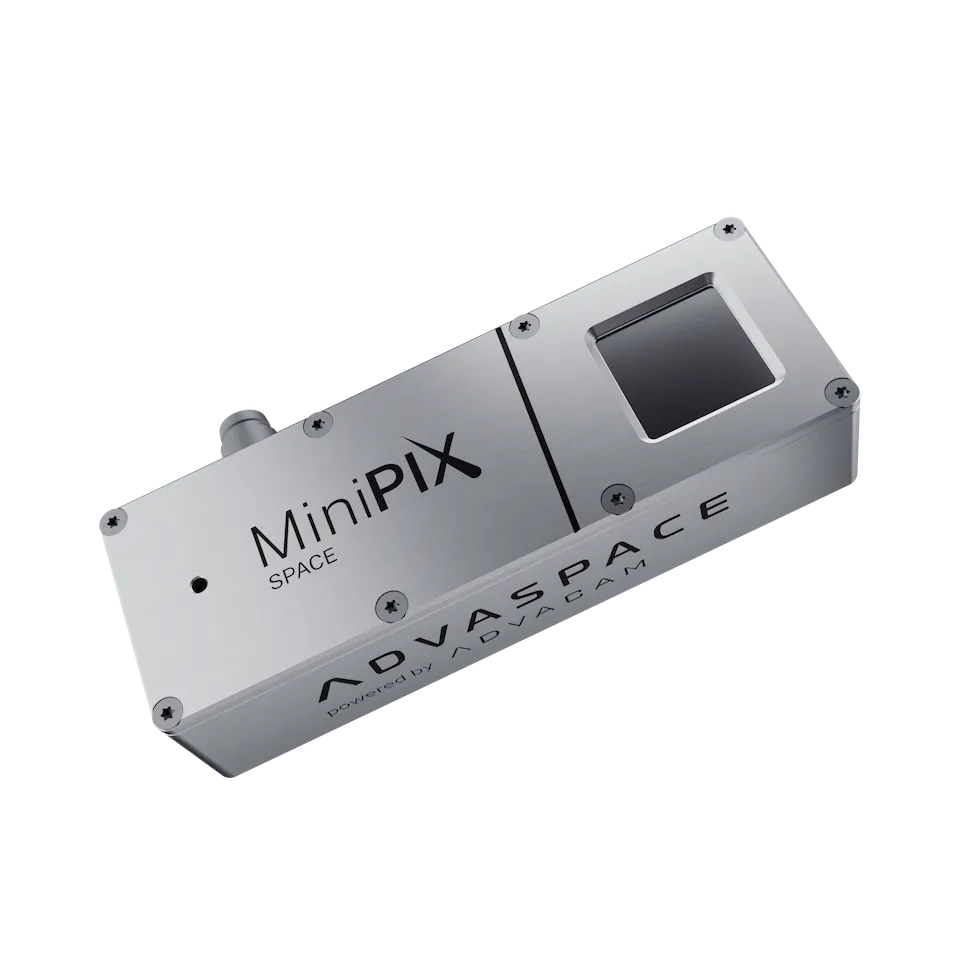
Satellites equipped with AdvaSpace payloads provide:
- time-stamped radiation measurements
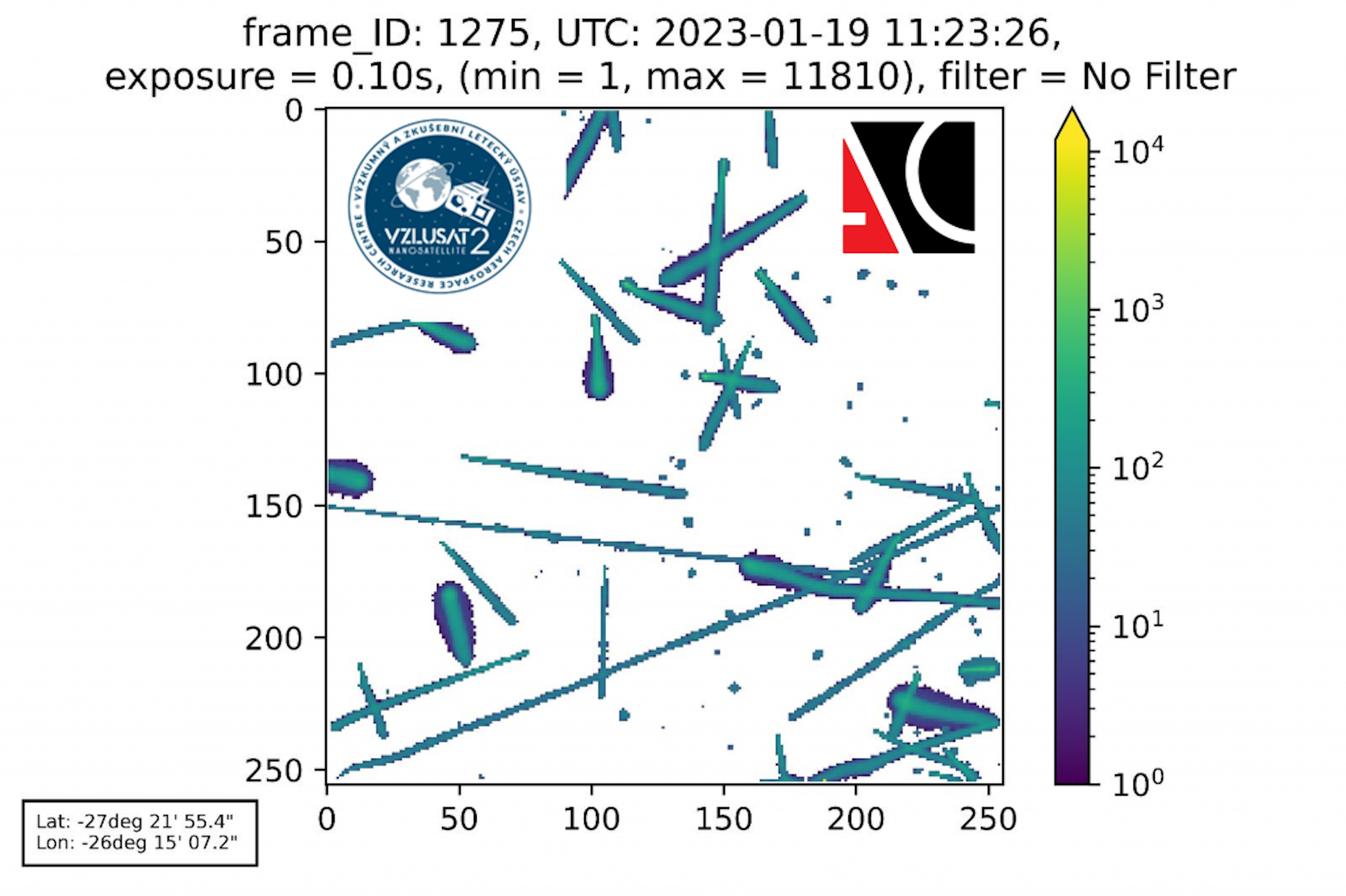
- particle-type breakdown
- dose and LET spectra
- directional flux maps
- storm-onset timing relative to safe-mode commands
AdvaSpace’s TraX Engine service reconstructs the event and delivers certified reports to the operator and insurer.
Outcome for insurers:
- objective attribution between design limits and natural hazards
- reduced litigation ambiguity
- faster claims processing
- stronger actuarial models for future premiums
- improved definition of force-majeure thresholds
Supporting “Mandatory Satellite Insurance” Frameworks
Future regulatory regimes are expected to more closely link licensing and insurance requirements to sustainability obligations.
Radiation intelligence from AdvaSpace can underpin:
- differentiated insurance pricing by orbit and inclination
- performance-based premiums
- verification of regulatory compliance
- end-of-life risk assessment
- proof that deorbit failure was not due to operator negligence
This data-driven approach strengthens enforcement while protecting responsible operators from unfair liability.
Why This Matters for the Insurance Sector: “Hard radiation data instead of assumptions.”
For insurers, AdvaSpace technology enables:
- Evidence-based underwriting
- Better loss forecasting
- Reduced moral-hazard exposure
- New radiation-risk insurance products
- Support for Space-Act compliance audits
Instead of insuring blind against space weather, insurers gain access to continuous, mission-specific radiation telemetry.
Strategic Impact
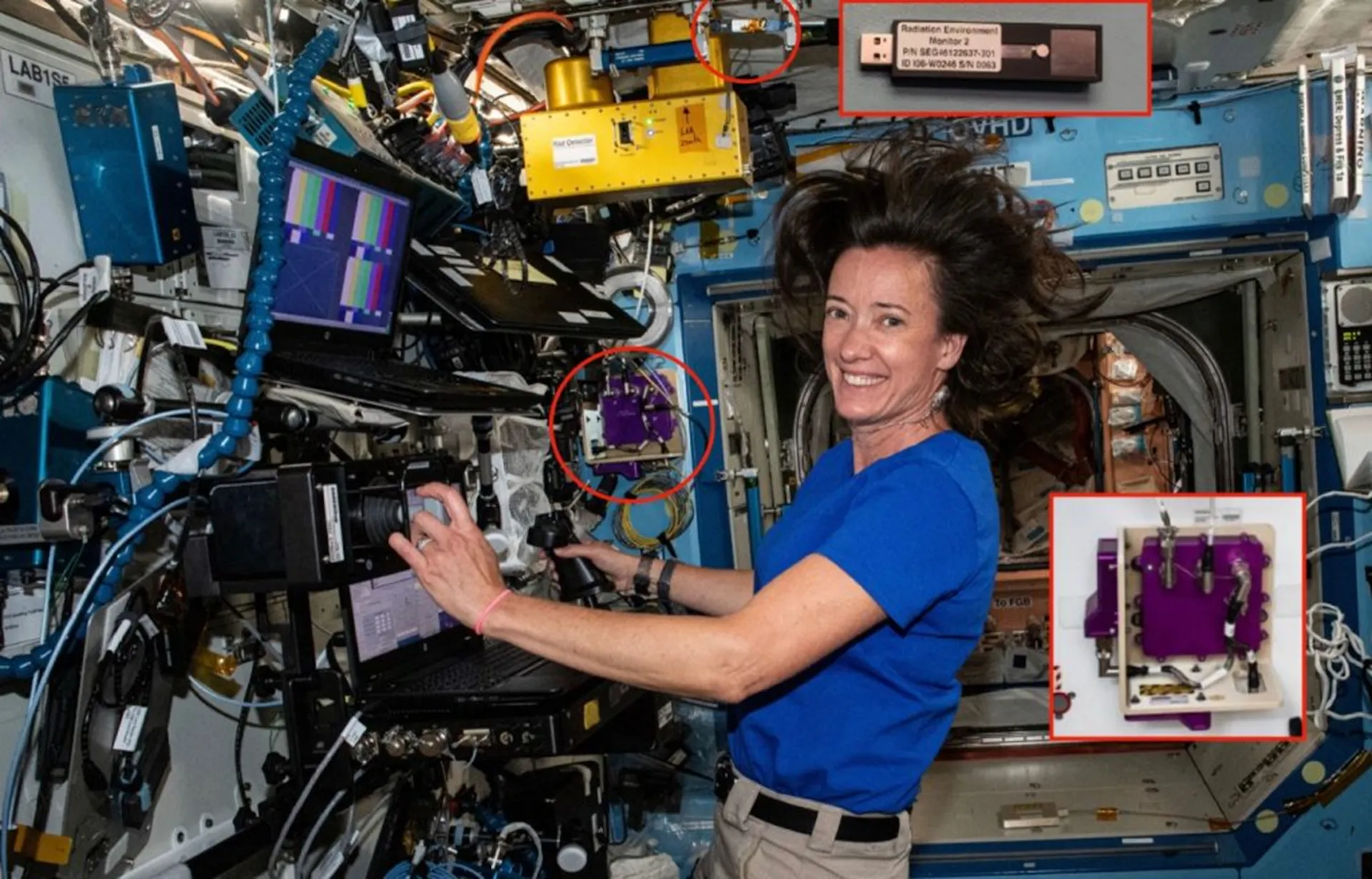
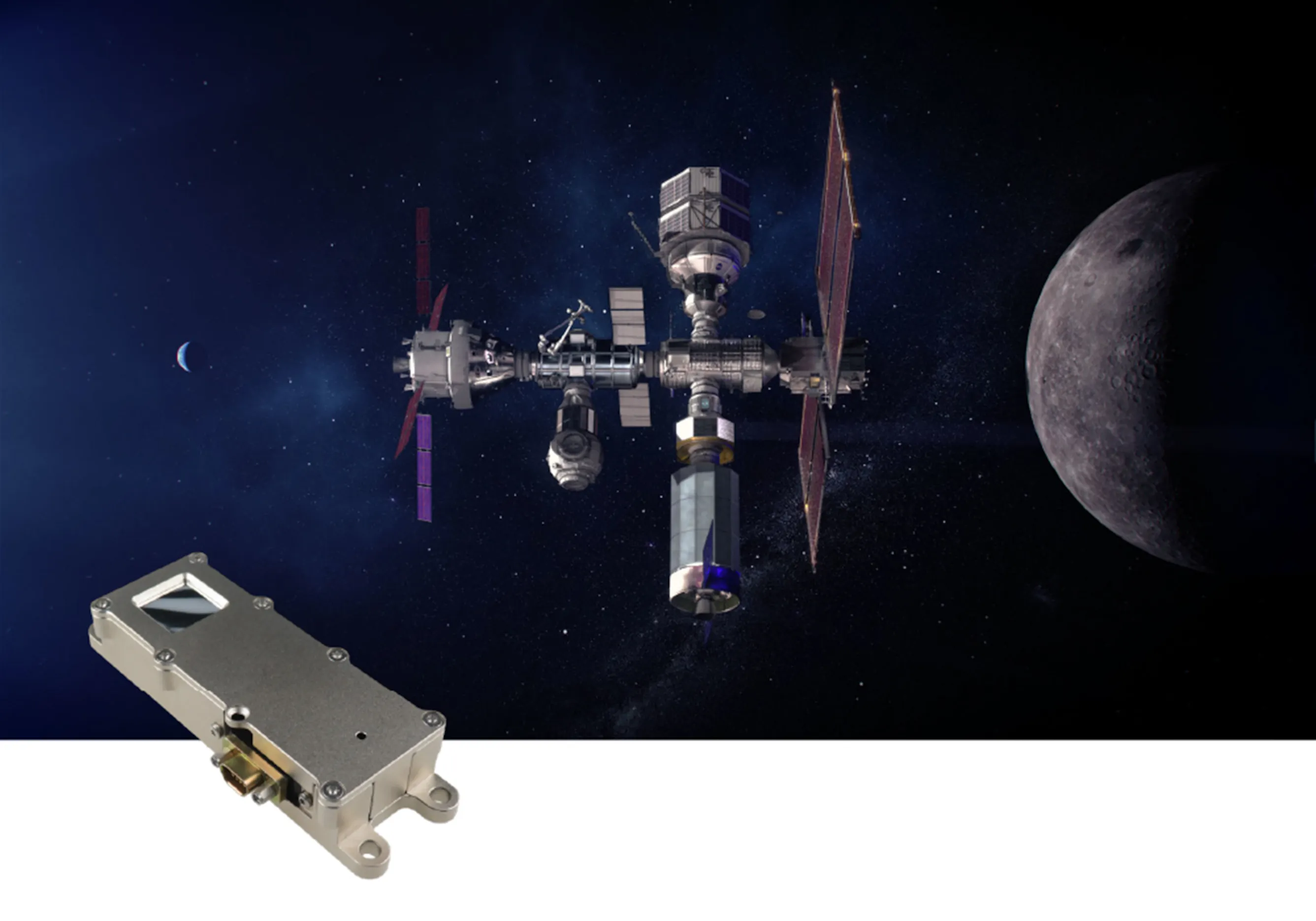
By building on ADVACAM’s deep-space and ISS heritage, AdvaSpace brings institutional-grade radiation sensing into the commercial insurance domain.
The result is a new class of orbital risk-intelligence services, helping insurers, regulators, and operators converge around one shared asset: