Radiation monitoring in the interior of Gateway Lunar Station
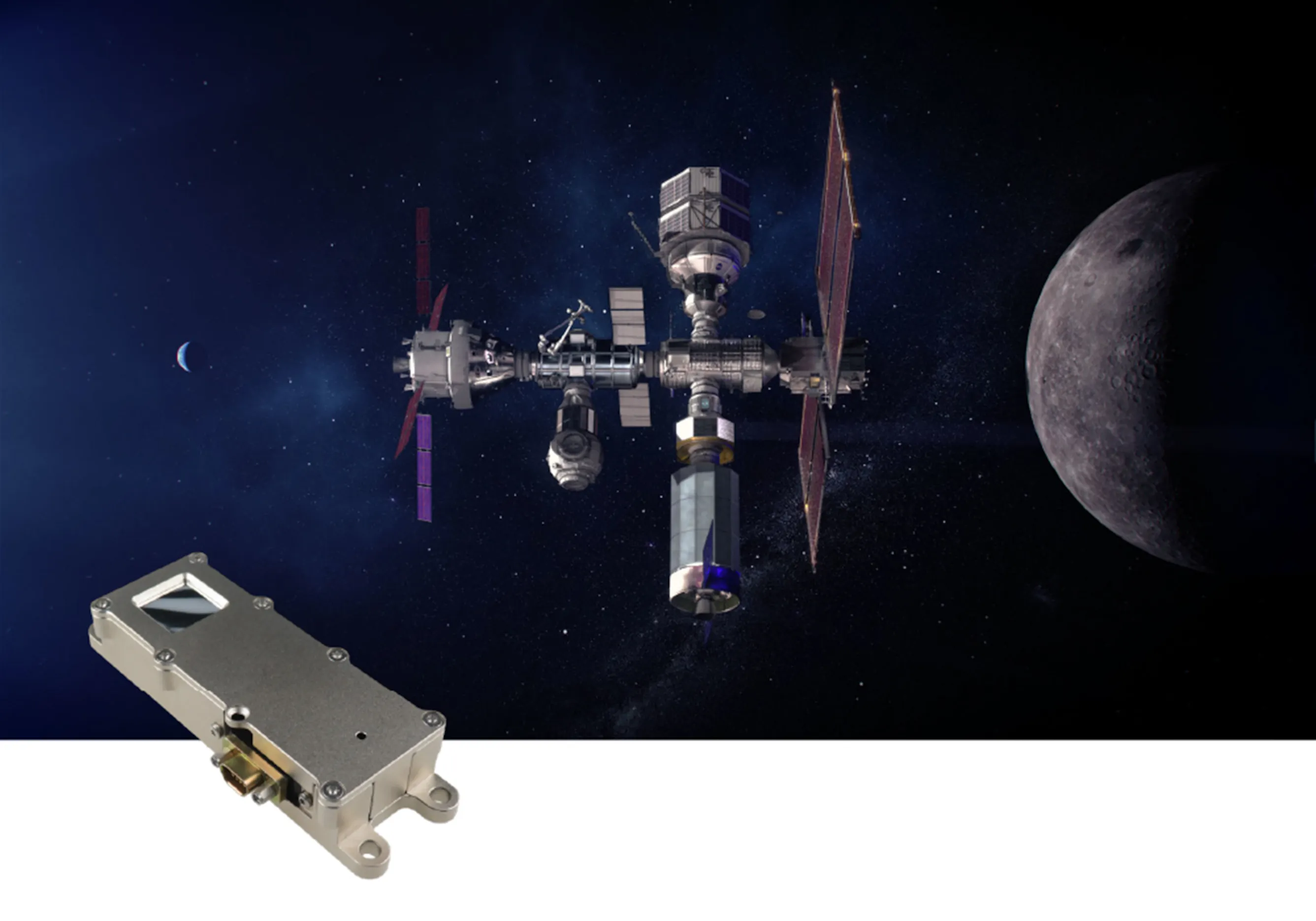
As humanity prepares for exploration beyond Earth orbit, radiation becomes one of the most mission-critical challenges. The lunar-orbiting Gateway station, led by NASA in international cooperation with the European Space Agency and international partners, is designed to serve as a staging point for Moon missions and future crewed journeys to Mars.
Radiation monitoring aboard Gateway is not optional. It is fundamental to crew safety. As well as spacecraft design and sustainable deep-space operations. High-energy particles could degrade electronics and drive spacecraft shielding requirements.
We are proud that, at the heart of these efforts, Timepix-based radiation detectors developed by ADVACAM and further customized by AdvaSpace might play an important role.
Measuring Radiation Beyond Earth’s Shield
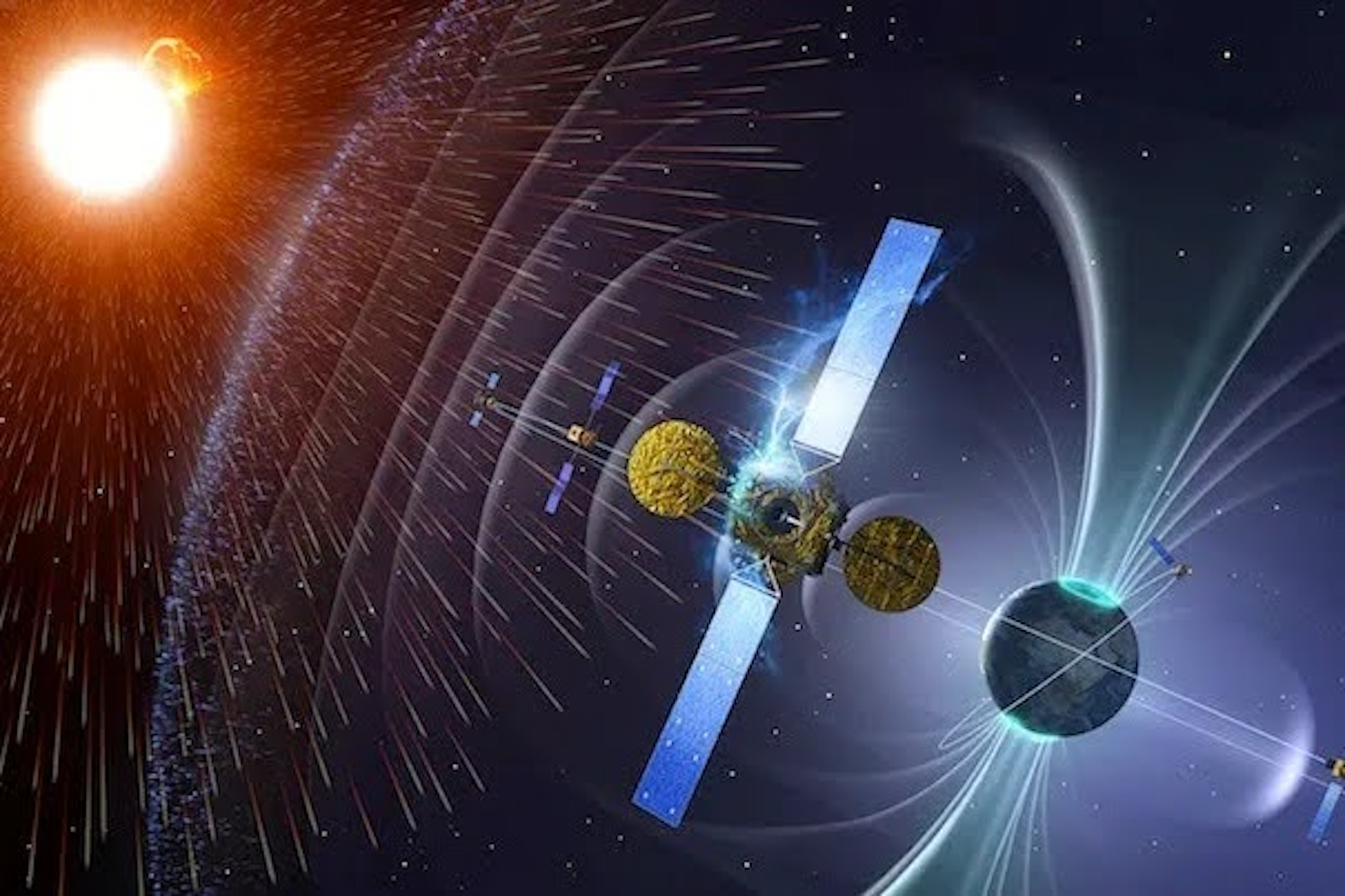
Outside Earth’s magnetosphere, astronauts are often exposed to galactic cosmic rays and intense solar-particle storms. To meet this challenge, Gateway integrates multiple radiation-monitoring systems. The two major European-led detector arrays are:
- ERSA (European Radiation Sensors Array), supporting NASA’s Artemis program by characterizing radiation in lunar orbit
- IDA (Internal Dosimetry Array), installed inside Gateway’s Habitation and Logistics Outpost (HALO) module to monitor astronaut exposure and internal radiation fields
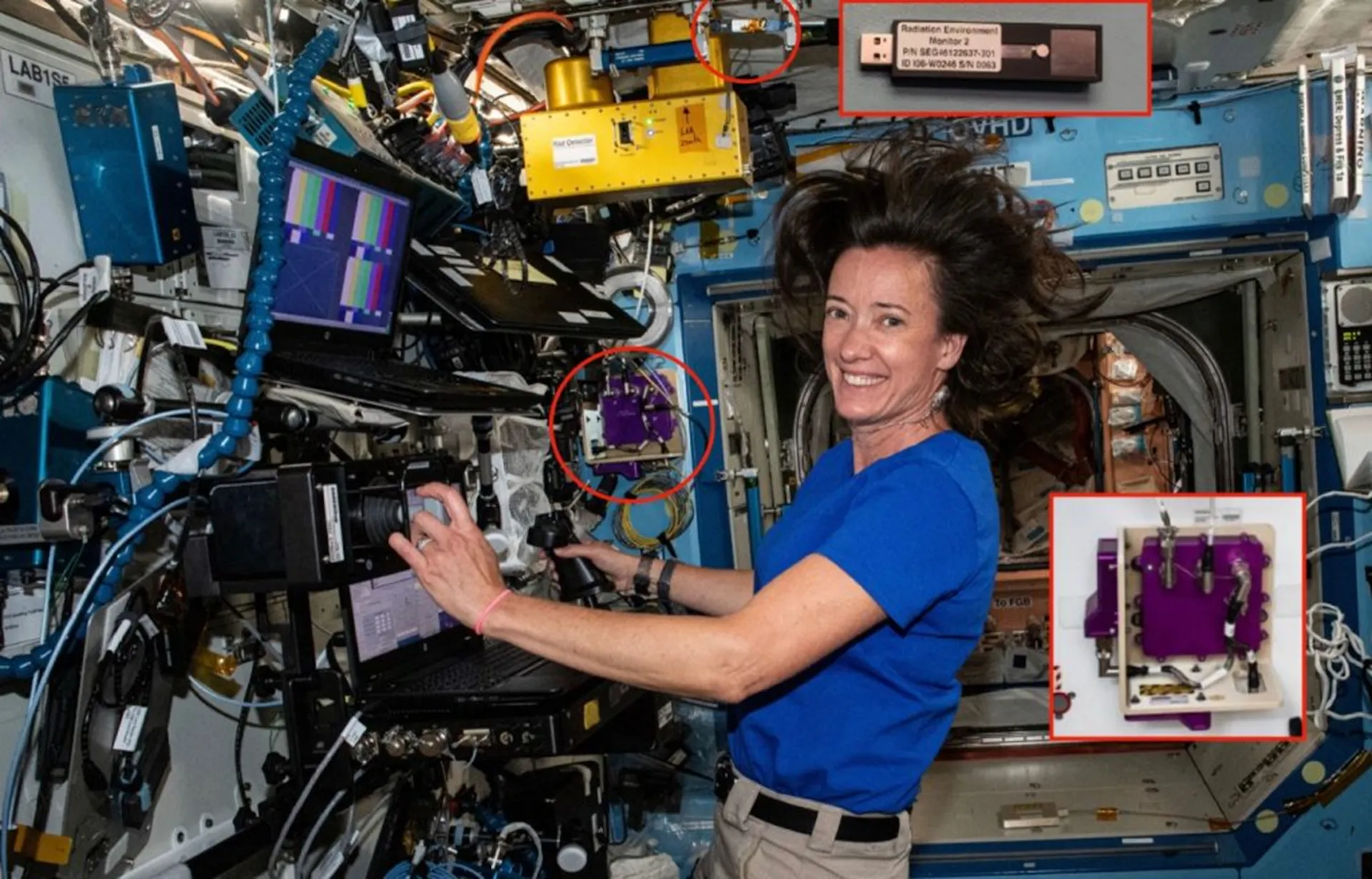
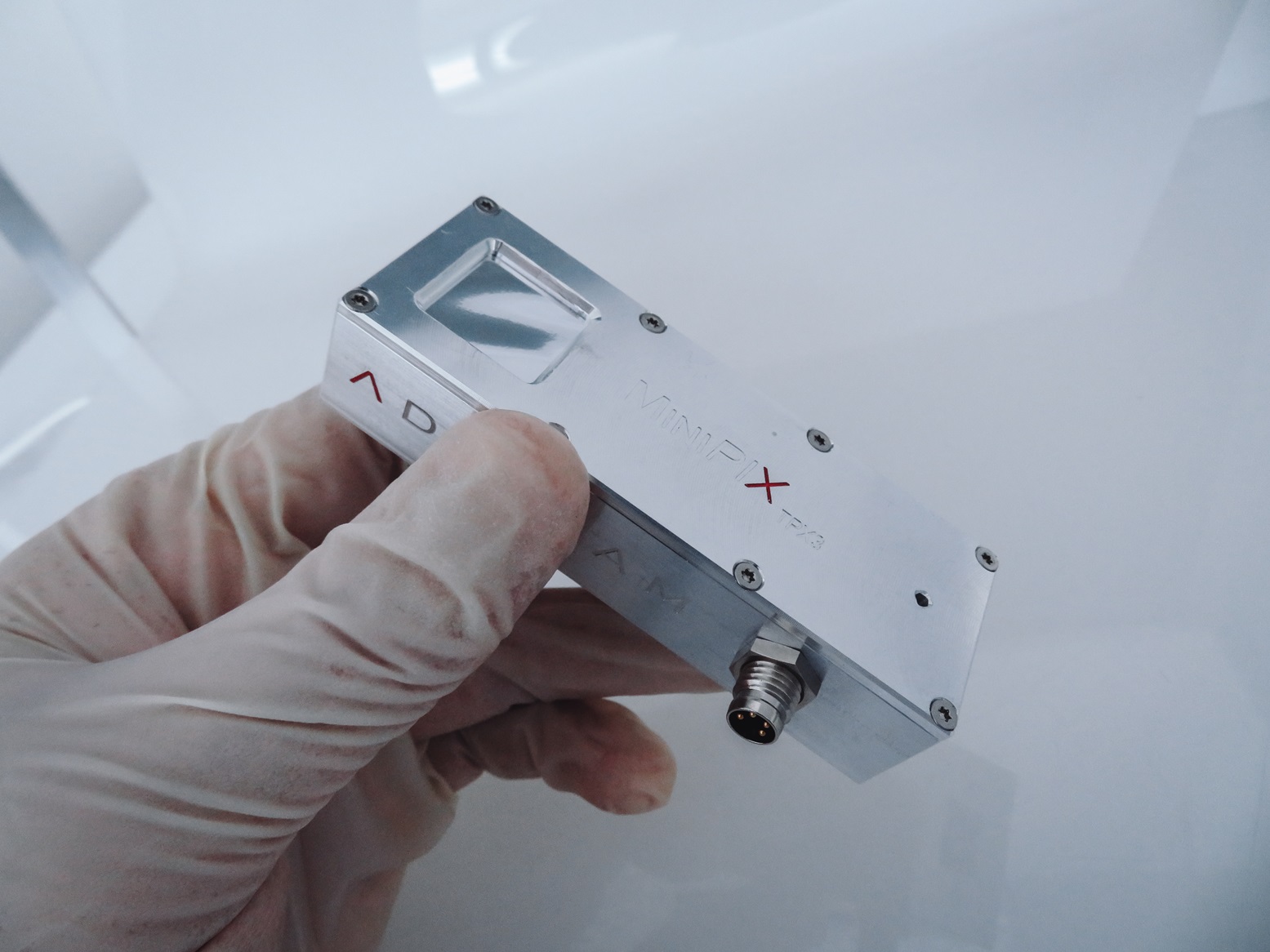
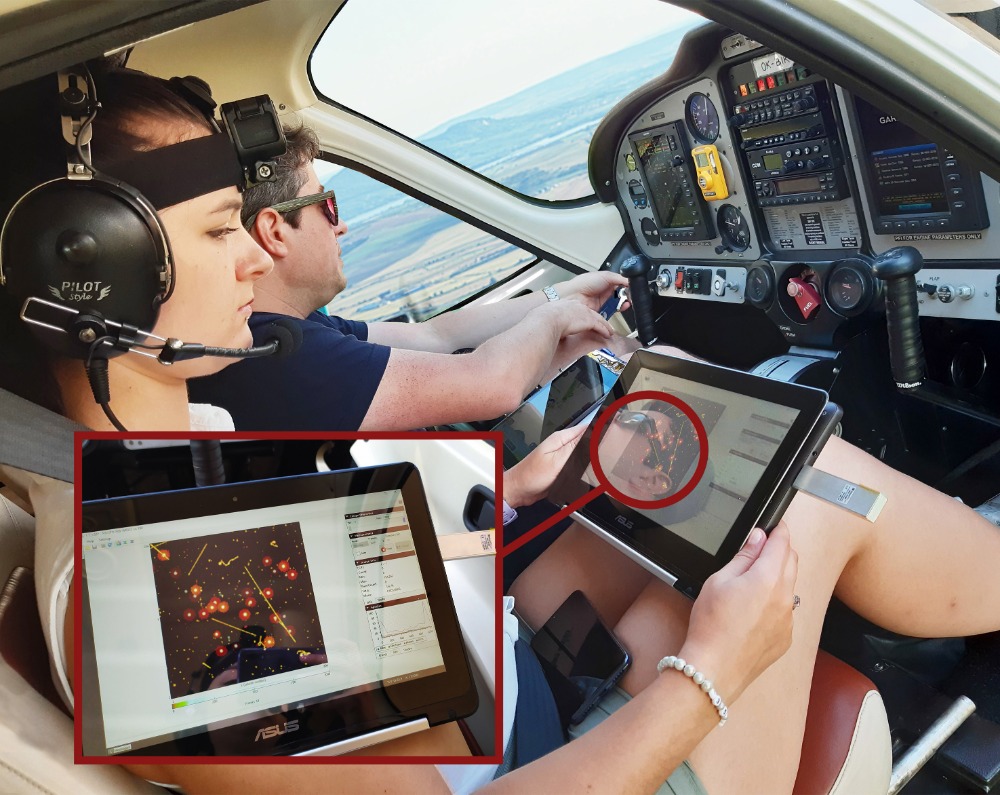
ADVACAM delivered miniaturized Timepix-based detector modules that track each individual particle in real time. It measures its type, energy, arrival direction, time stamp, and interaction point.
Engineering for Deep-Space Conditions
We conducted environmental testing to qualify the device for lunar-orbit deployment according to ECSS standards. The completed flight hardware underwent vibration and thermal testing at the VÚTS laboratories in Liberec, simulating launch loads and deep-space temperature extremes from –25 °C to +85 °C. According to Tomáš Komárek of ADVACAM, the detectors remained fully operational throughout these campaigns, demonstrating readiness for the harsh mechanical and thermal conditions of cis-lunar missions.
An International Technology Effort
The IDA instrument is being developed within a broad international consortium that includes:
- Airbus
- DLR German Aerospace Center
- Japan Aerospace Exploration Agency
- Hungary’s HUN-REN Centre for Energy Research and REMRED Ltd
From Gateway to Commercial Space: AdvaSpace Builds on ADVACAM Heritage
The Gateway radiation detectors represent decades of development in particle-tracking technology. A heritage that AdvaSpace now leverages for its own space-radiation products.
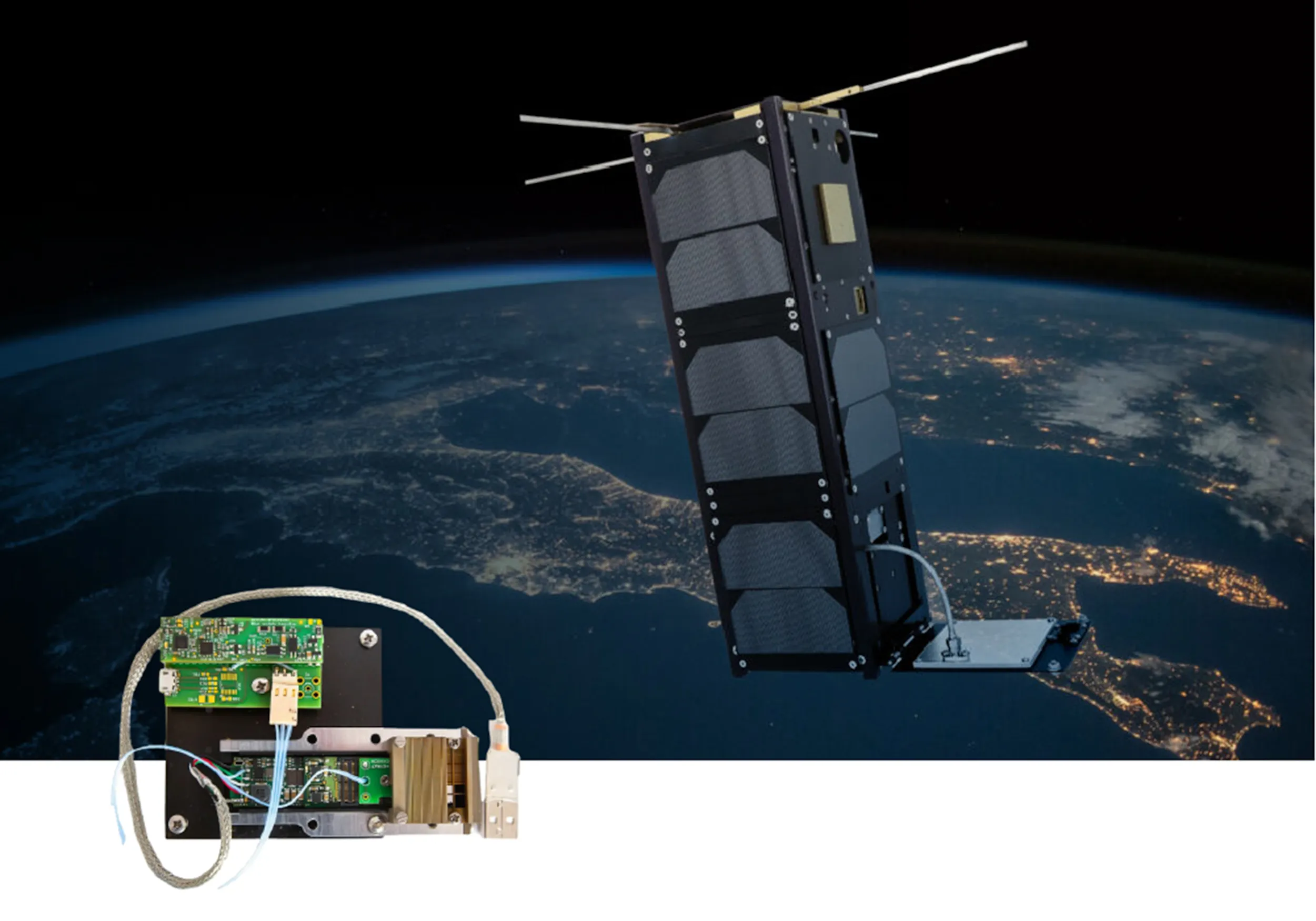
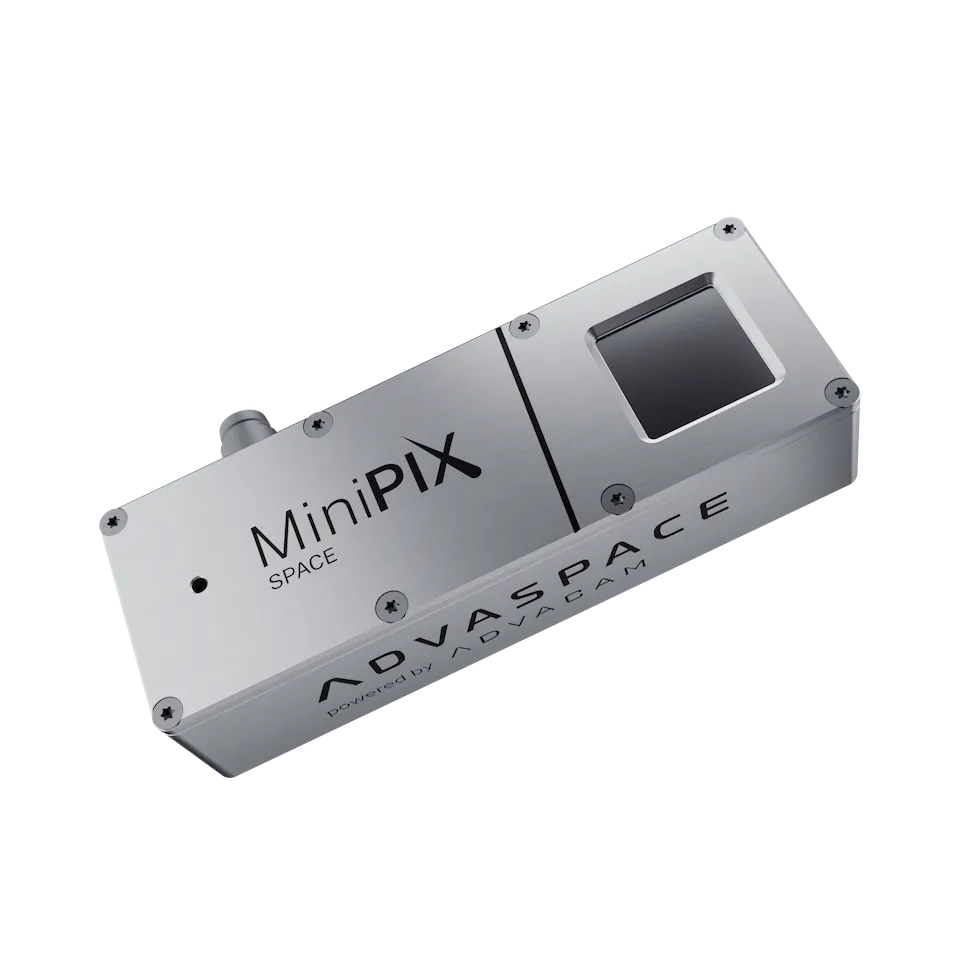
Powered by ADVACAM’s Timepix detector technology, AdvaSpace integrates this flight-proven hardware into compact satellite components, such as MiniPIX SPACE, and downstream space-weather services for constellation operators, exploration missions, and commercial spacecraft fleets.
By translating Space-station-class radiation-monitoring capabilities into scalable satellite payloads and data services, AdvaSpace aims to make deep-space-grade radiation intelligence accessible well beyond flagship institutional missions.
Applications