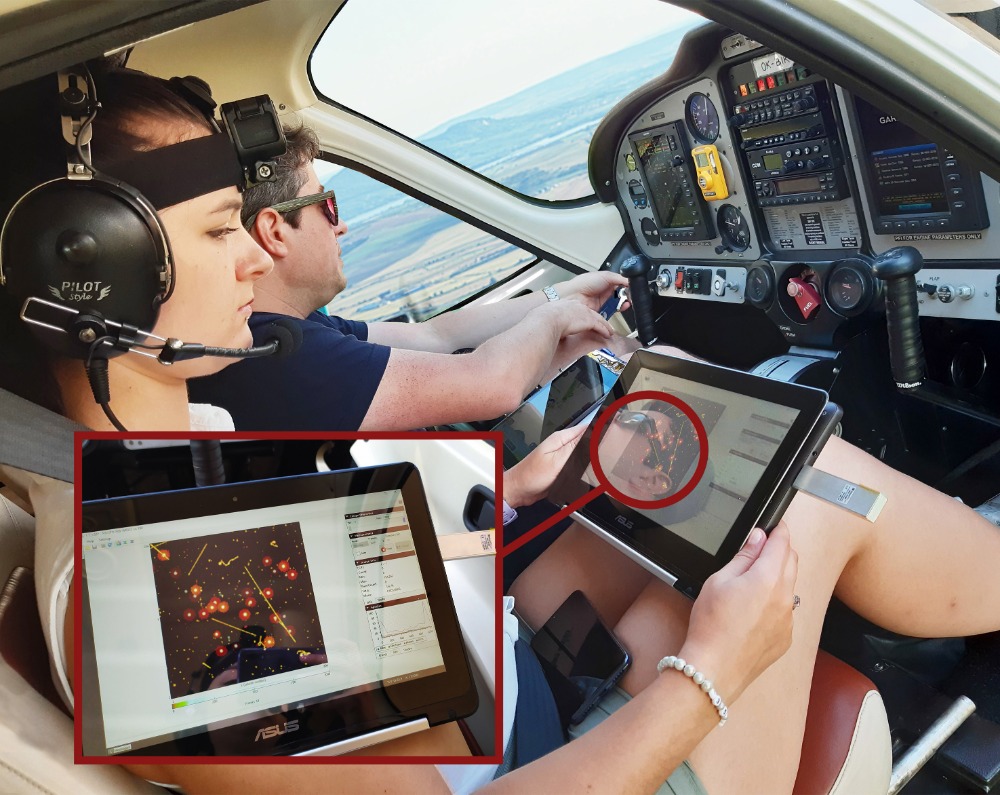
Radiation Monitoring for Aviation and Aerospace Operations
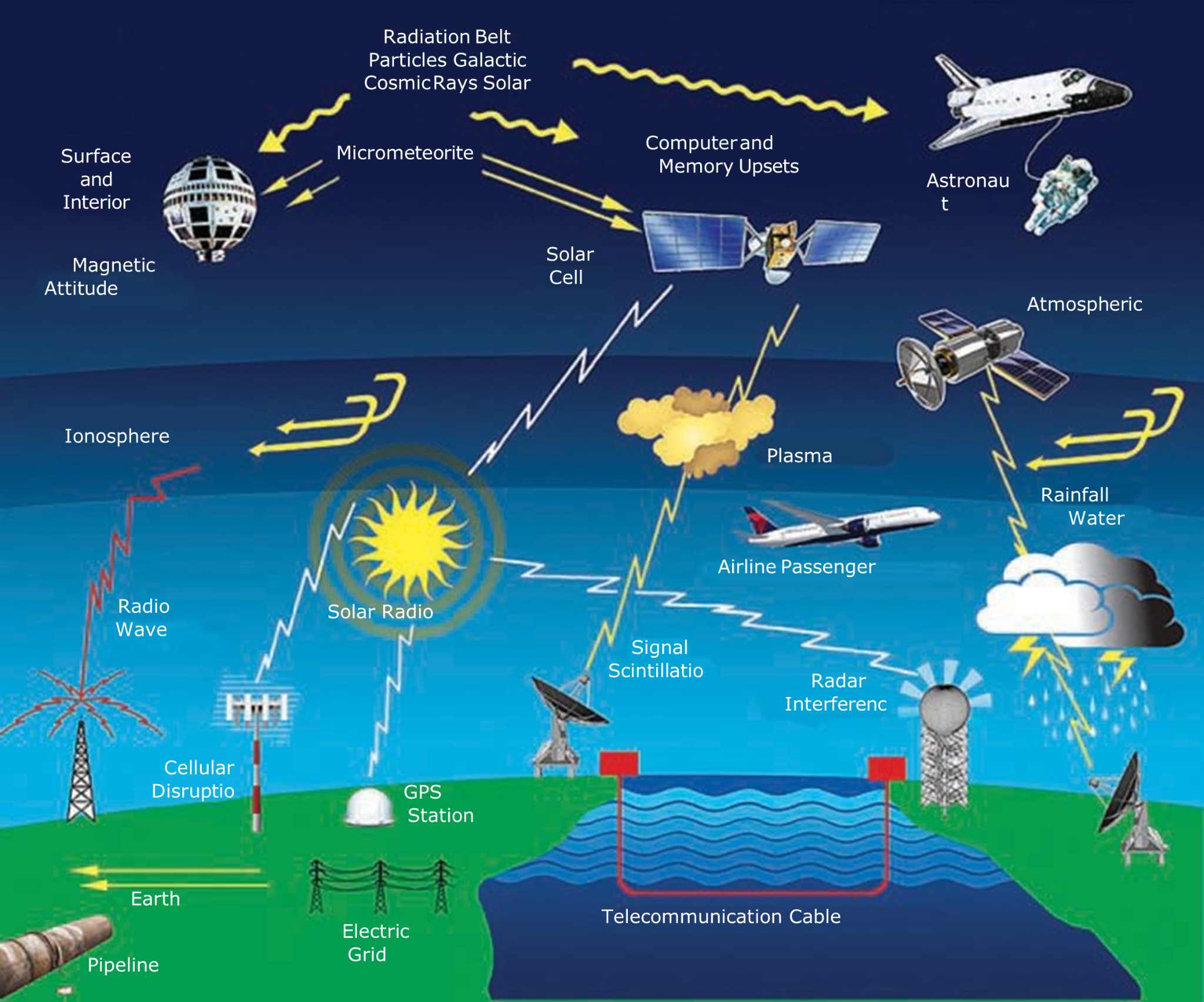
Commercial aircraft cruise at altitudes of around 10 kilometers, where radiation exposure is dramatically higher than at sea level—on average about 6 µSv per hour, roughly 200 times more than on the ground. One hour of flight corresponds to nearly eight days of natural radiation exposure on Earth, while a long-haul journey of 17 hours can approach the dose of a standard chest X-ray. During periods of heightened solar activity, these values can rise even further.
For airlines and aircraft manufacturers, radiation safety is therefore not an abstract topic. It affects passenger protection, crew health, regulatory compliance, and the reliable functioning of avionics, navigation systems, and communications.
The Challenge
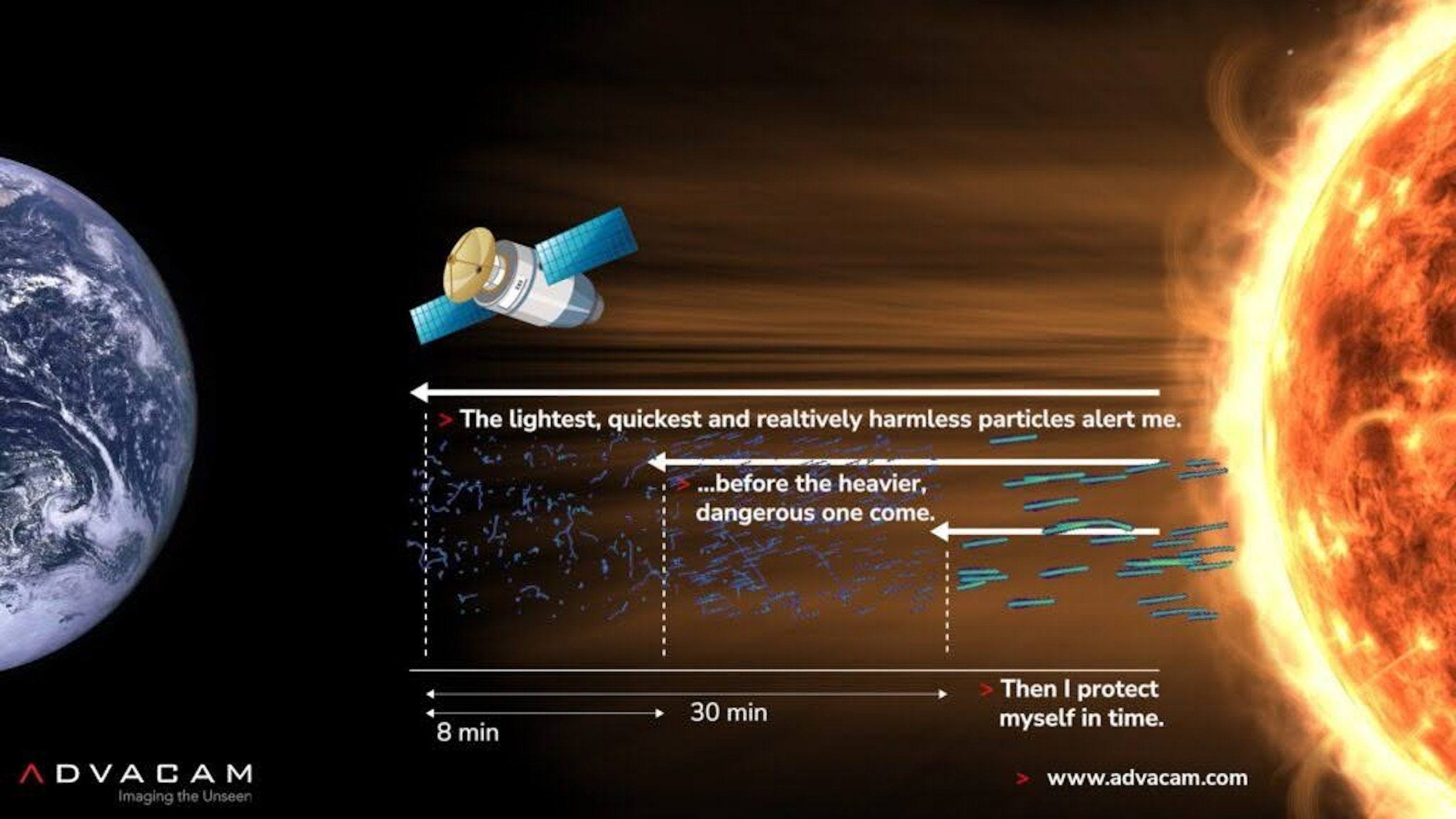
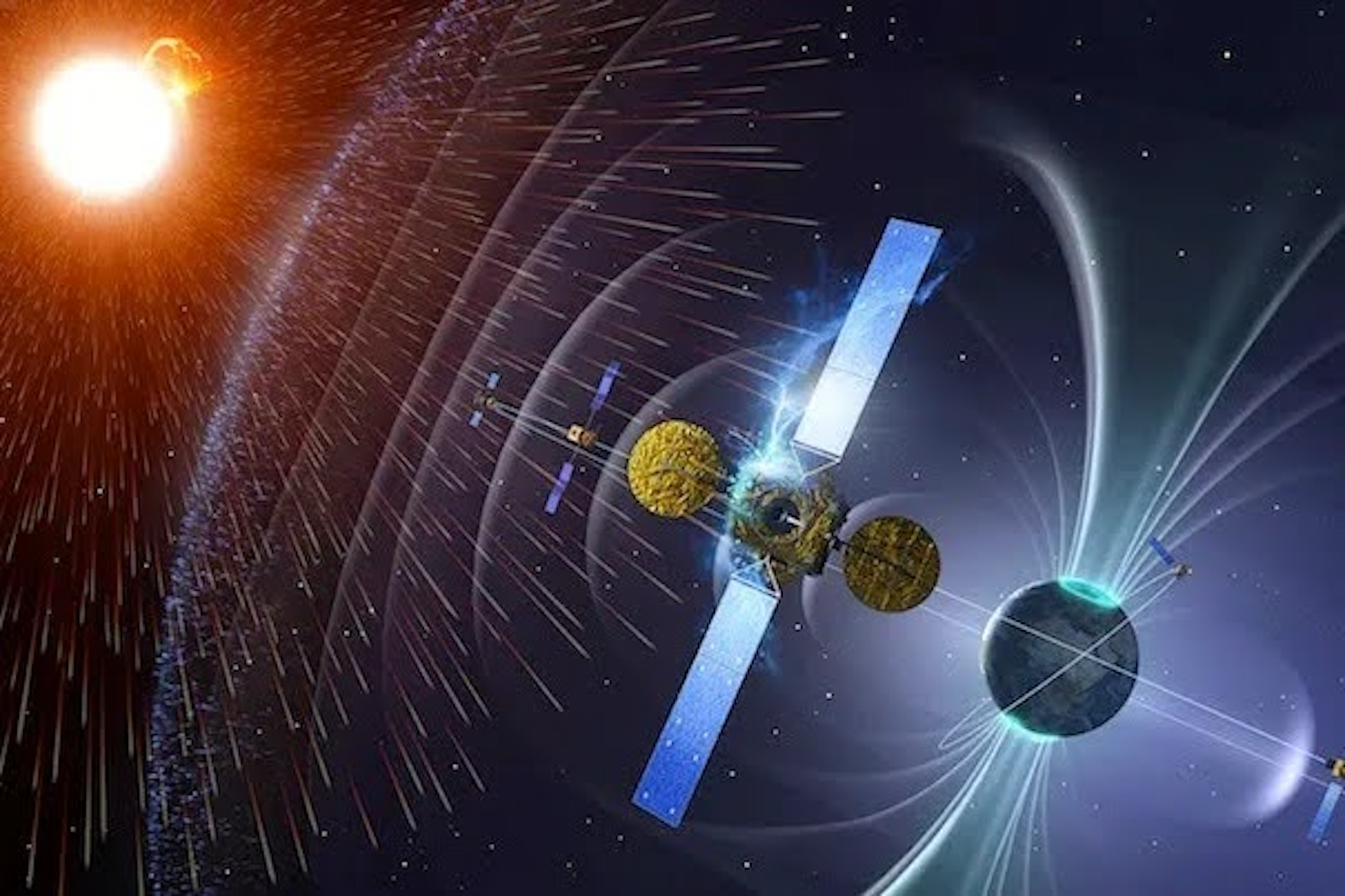
Despite the importance of radiation exposure at altitude, most aviation operators rely on predictive models rather than direct in-situ measurements. This makes it difficult to distinguish relatively harmless background radiation from more dangerous ionizing particle events, especially during solar storms, when timely decisions about flight routing, crew scheduling, or system protection become critical.
With more than 30,000 commercial and cargo aircraft in operation worldwide, the aviation sector represents a major opportunity for improved, data-driven radiation monitoring. Interest is already emerging from both civil operators and military aviation, where dependable communications and avionics are mission-critical.
The AdvaSpace Solution
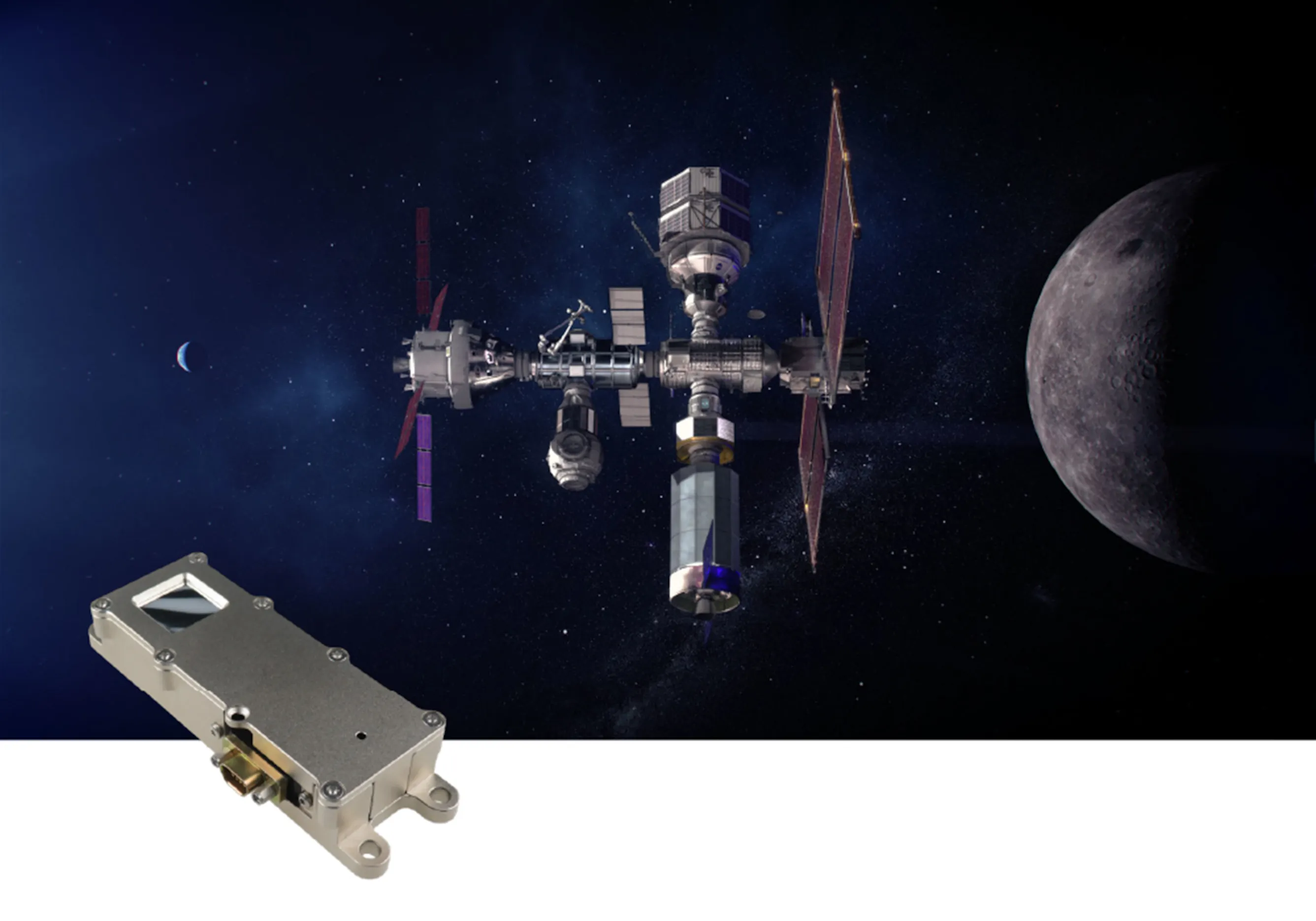
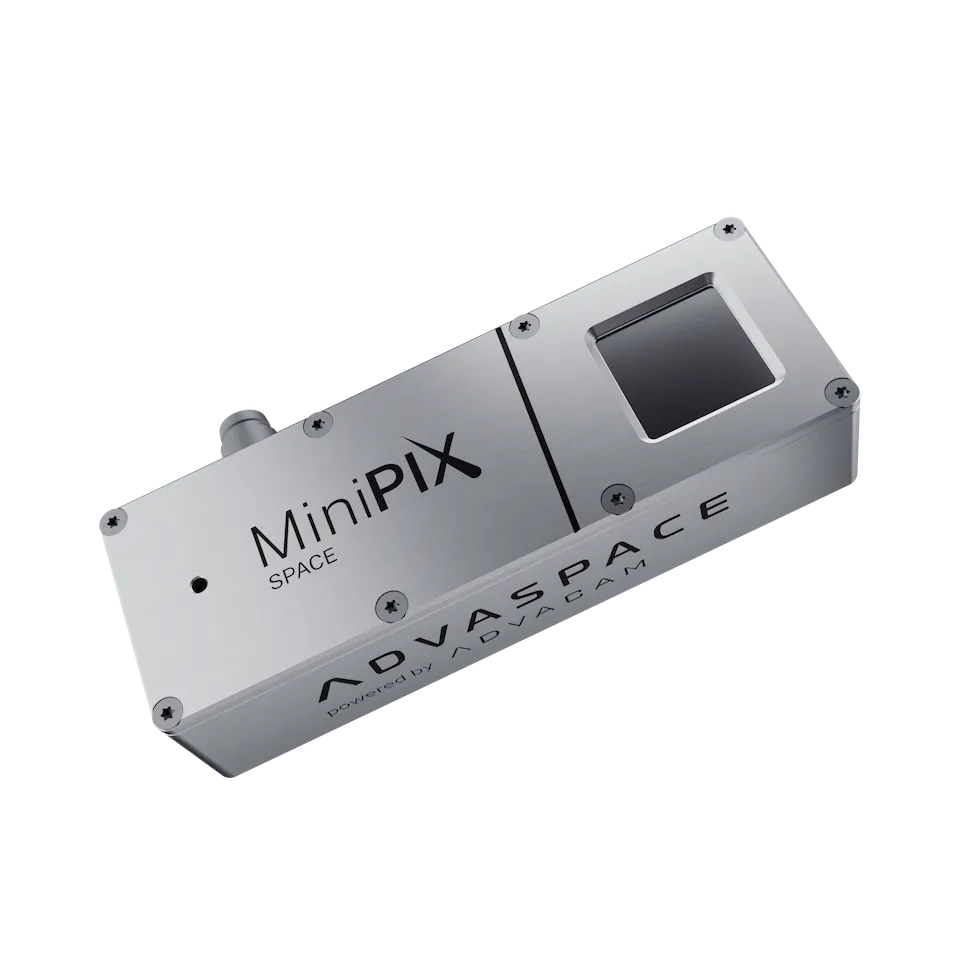
AdvaSpace plans to bring its MiniPIX SPACE radiation-monitoring technology—powered by Timepix-based detectors from ADVACAM—into the aviation environment as a compact, lightweight, and easy-to-install monitoring solution.
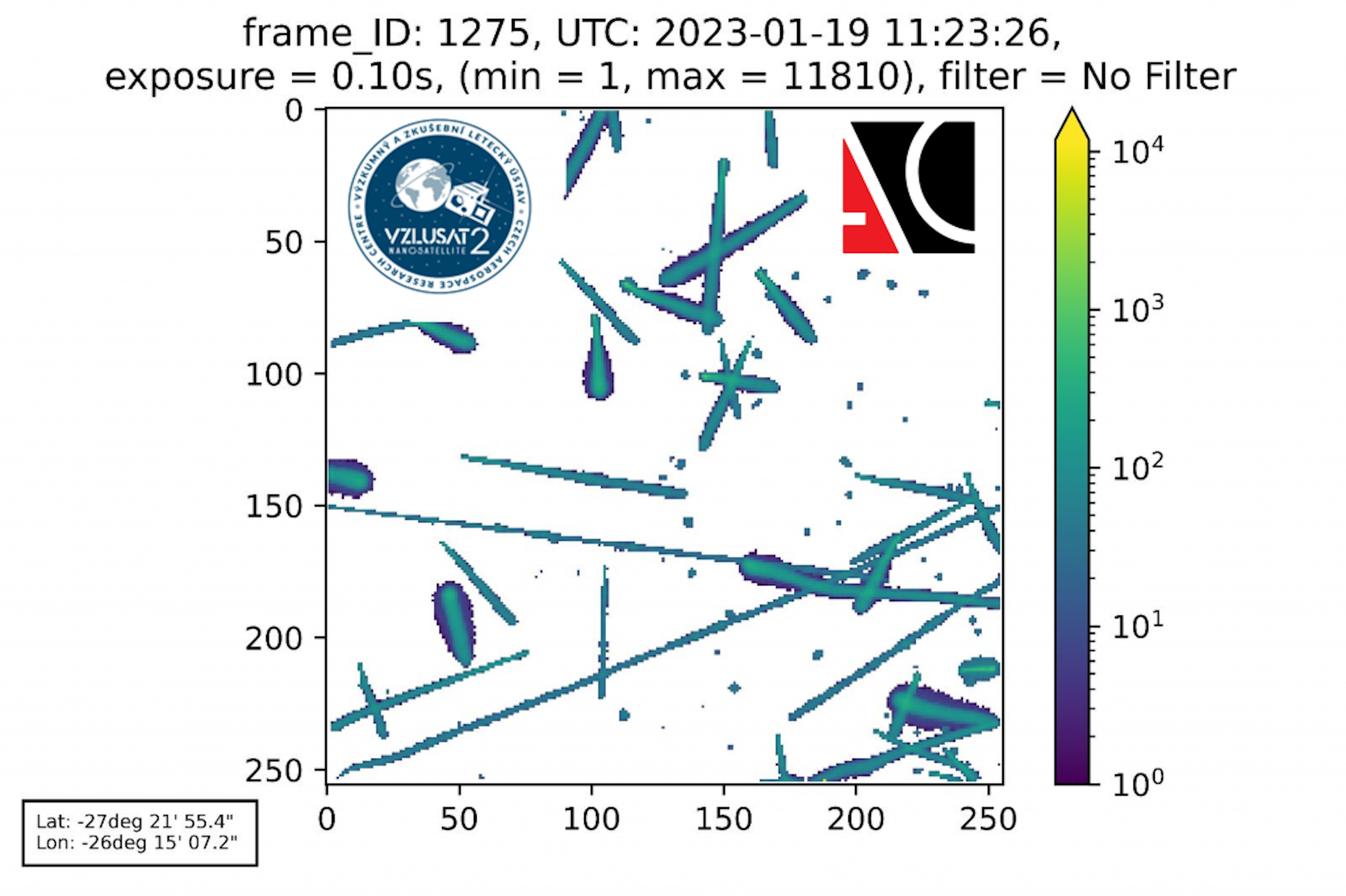
The key advantage lies in the detector’s ability to resolve radiation by particle type and energy, rather than reporting only average dose values. This deeper insight allows operators to differentiate between low-risk exposure and radiation that may pose a serious threat to crew health or onboard electronics.
Operational Benefits
With access to precise, flight-level radiation data, airlines and aerospace manufacturers could:
- Improve passenger and crew safety
- Optimize flight routes during elevated solar activity
- Better estimate long-term health exposure
- Protect sensitive avionics and communication systems
- Meet tightening regulatory requirements
From Hardware to Data Services
Beyond supplying onboard sensors, AdvaSpace aims to offer standardized monitoring services combined with expert interpretation of radiation data—reducing the burden on aircraft operators.
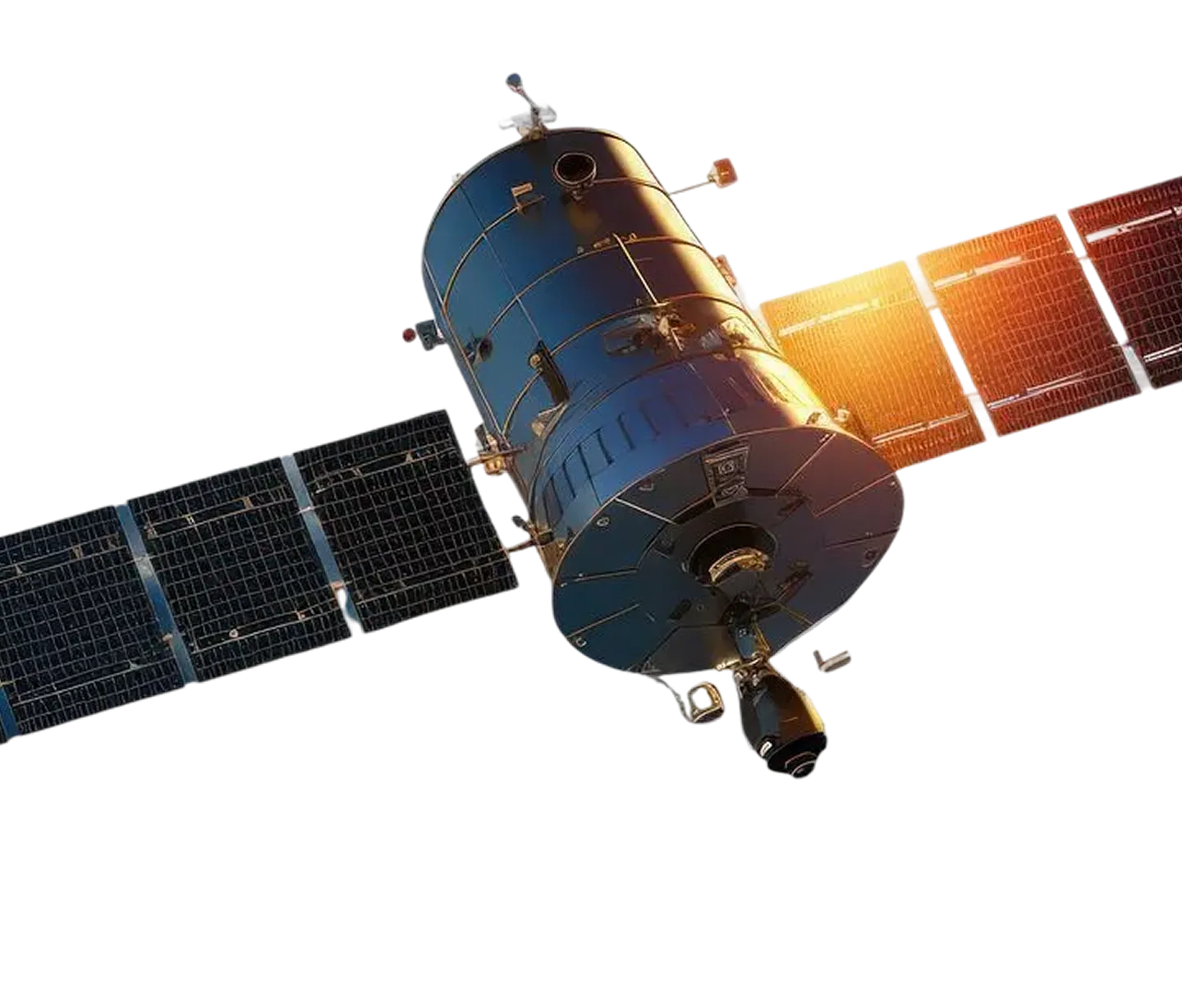
Looking further ahead, AdvaSpace envisions complementing airborne measurements with radiation data from its planned AdvaConstellation satellite network. Once validated for spatial and temporal accuracy relative to aircraft positions, this approach could provide operators with a cost-effective and technically simple way to access radiation intelligence without installing dedicated hardware on every platform.
Outcome
By translating heritage Timepix-based space-detector technology into the aviation domain, AdvaSpace positions MiniPIX SPACE as a bridge between space-weather science and everyday aerospace operations—helping airlines reduce risk, improve safety margins, and make informed operational decisions in an increasingly radiation-aware industry.