Particle tracking in space
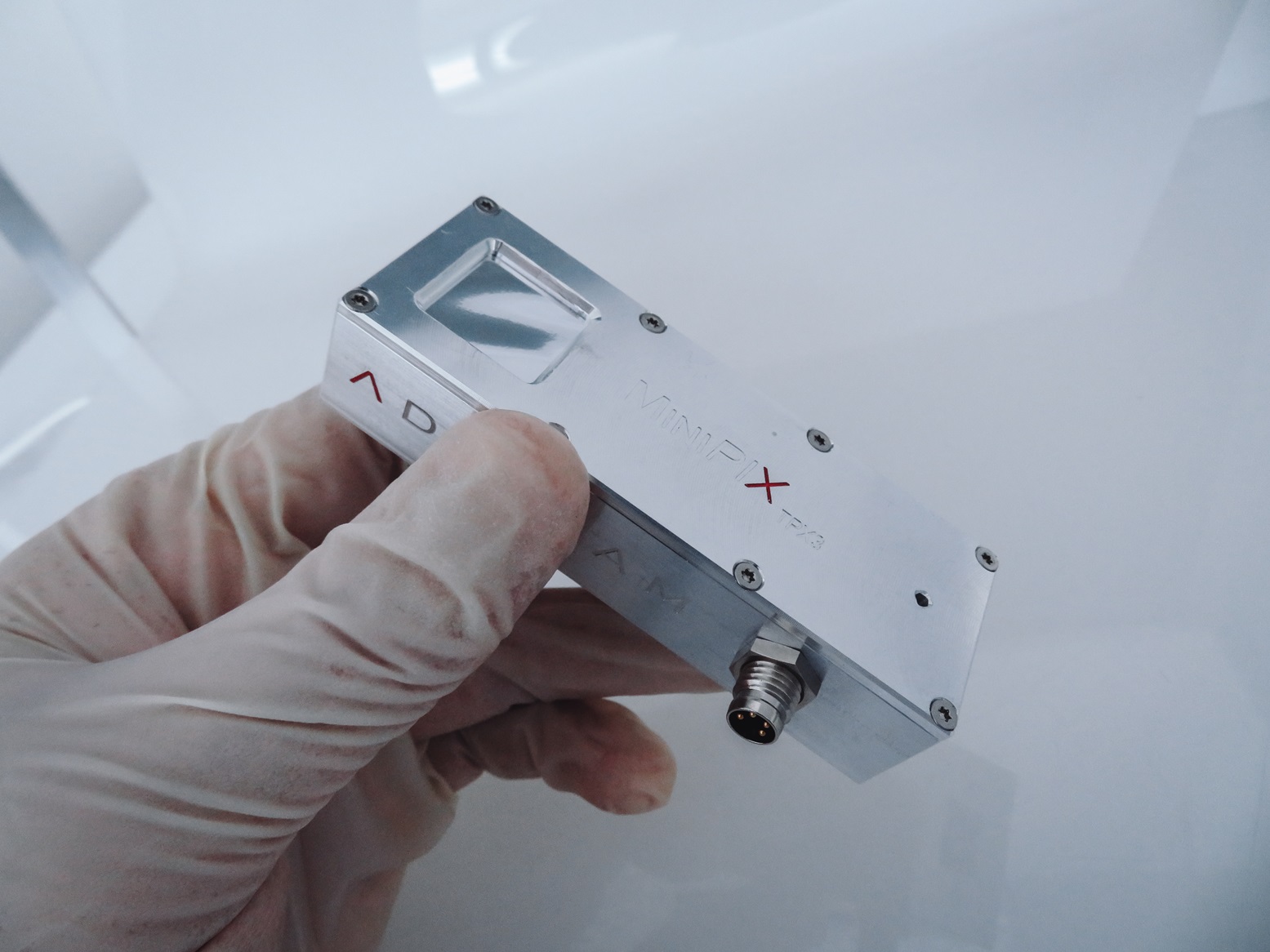
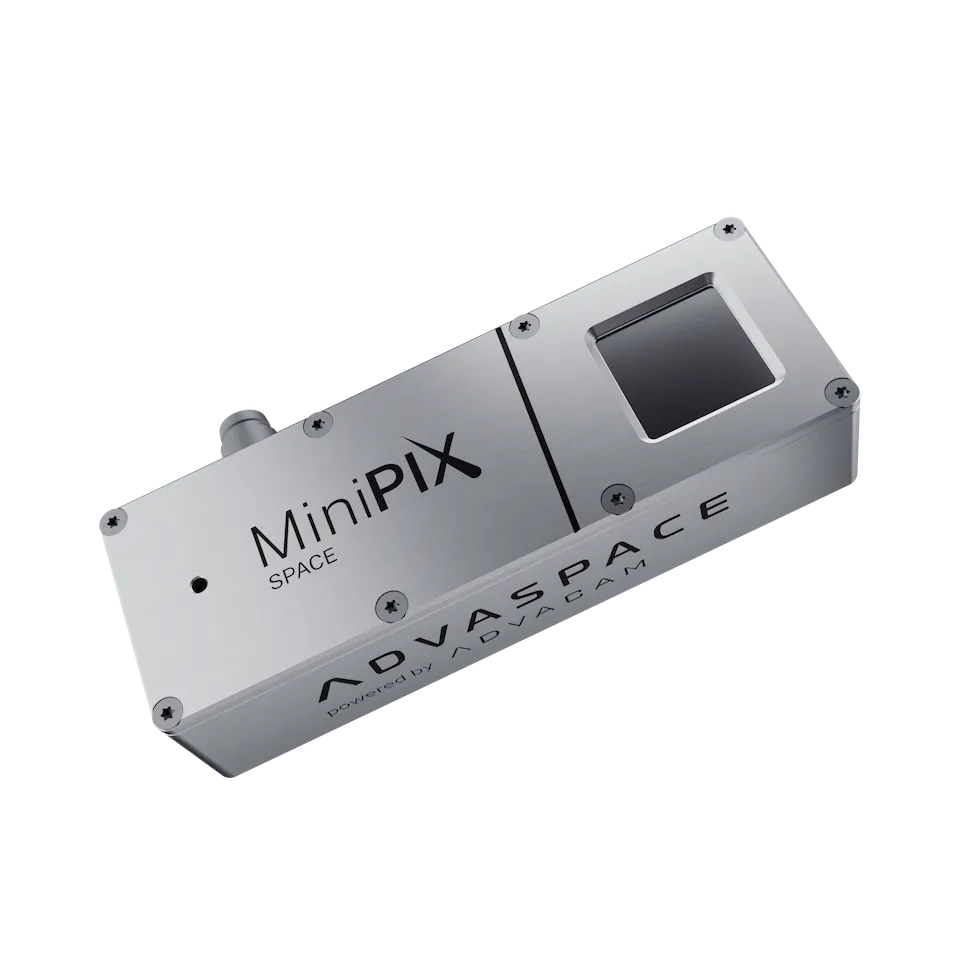
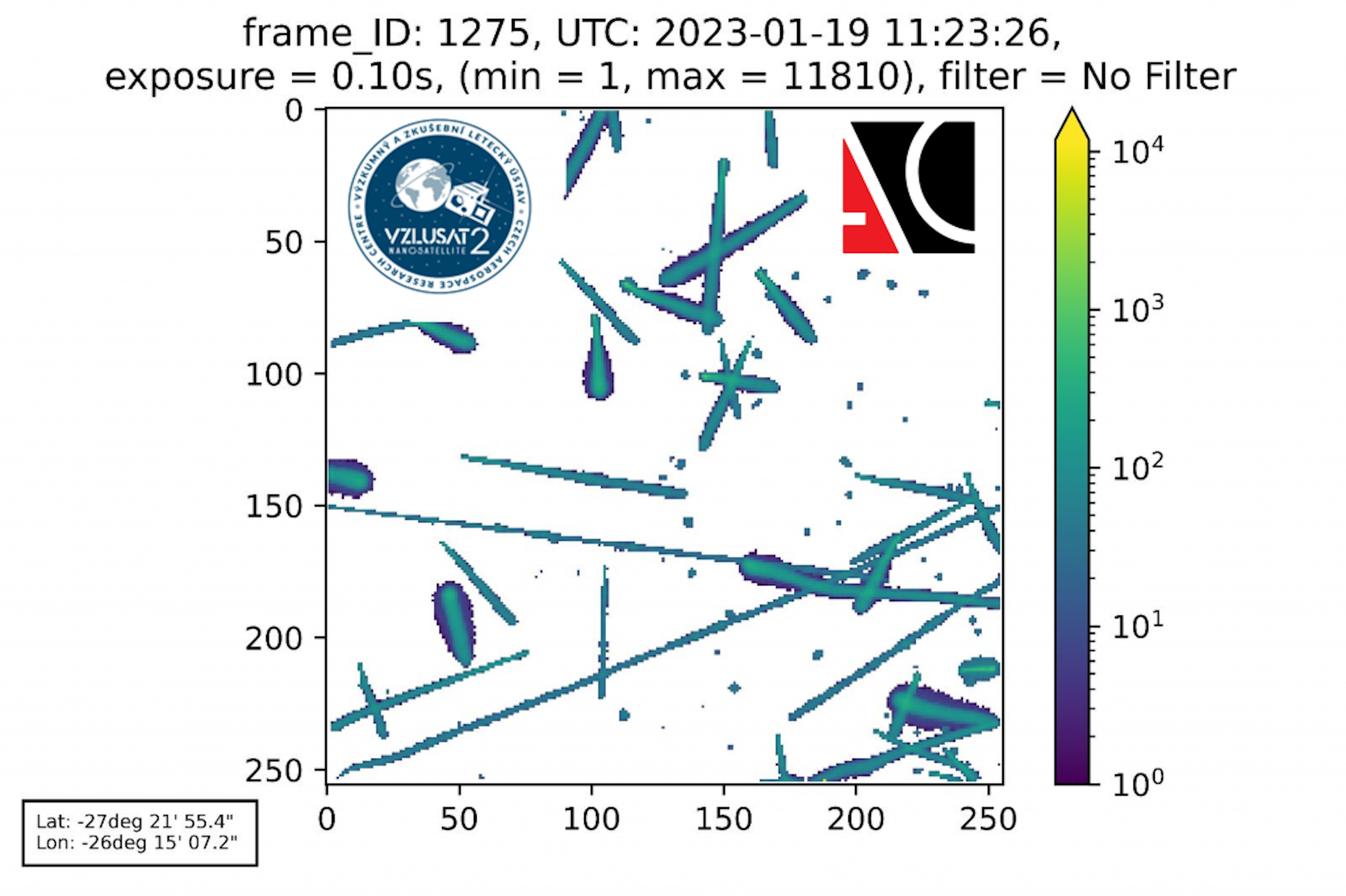
Our radiation monitoring cameras can visualize each charged particle that impacts the detector’s surface. Each particle leaves a unique track or imprint, enabling us to determine its composition, spectrum, and direction with our data-processing software. Each particle type has different effects. Some are almost harmless, while others can significantly damage the human body or equipment. The ability of our cameras is unique compared to traditional radiation monitoring devices.
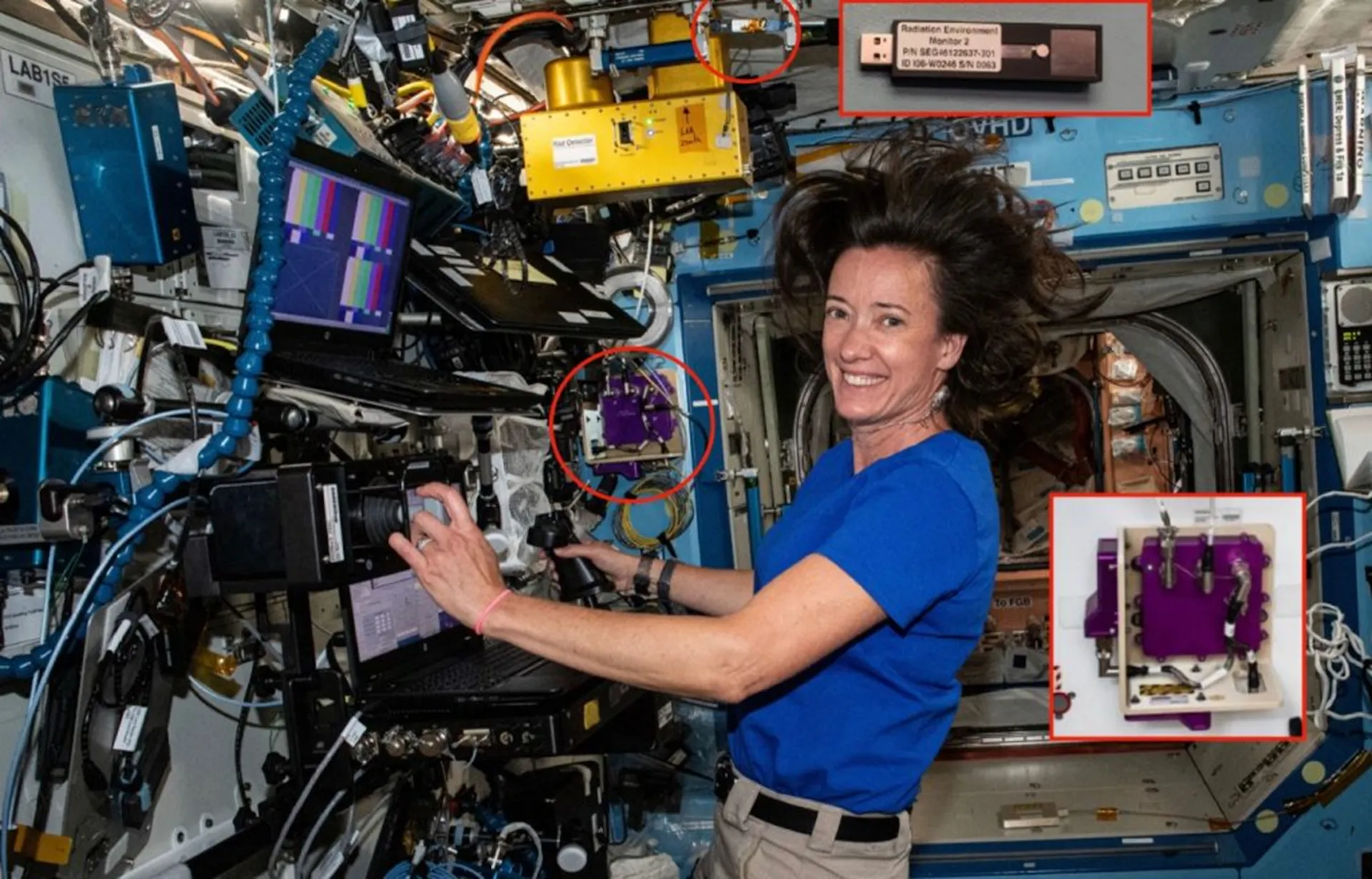
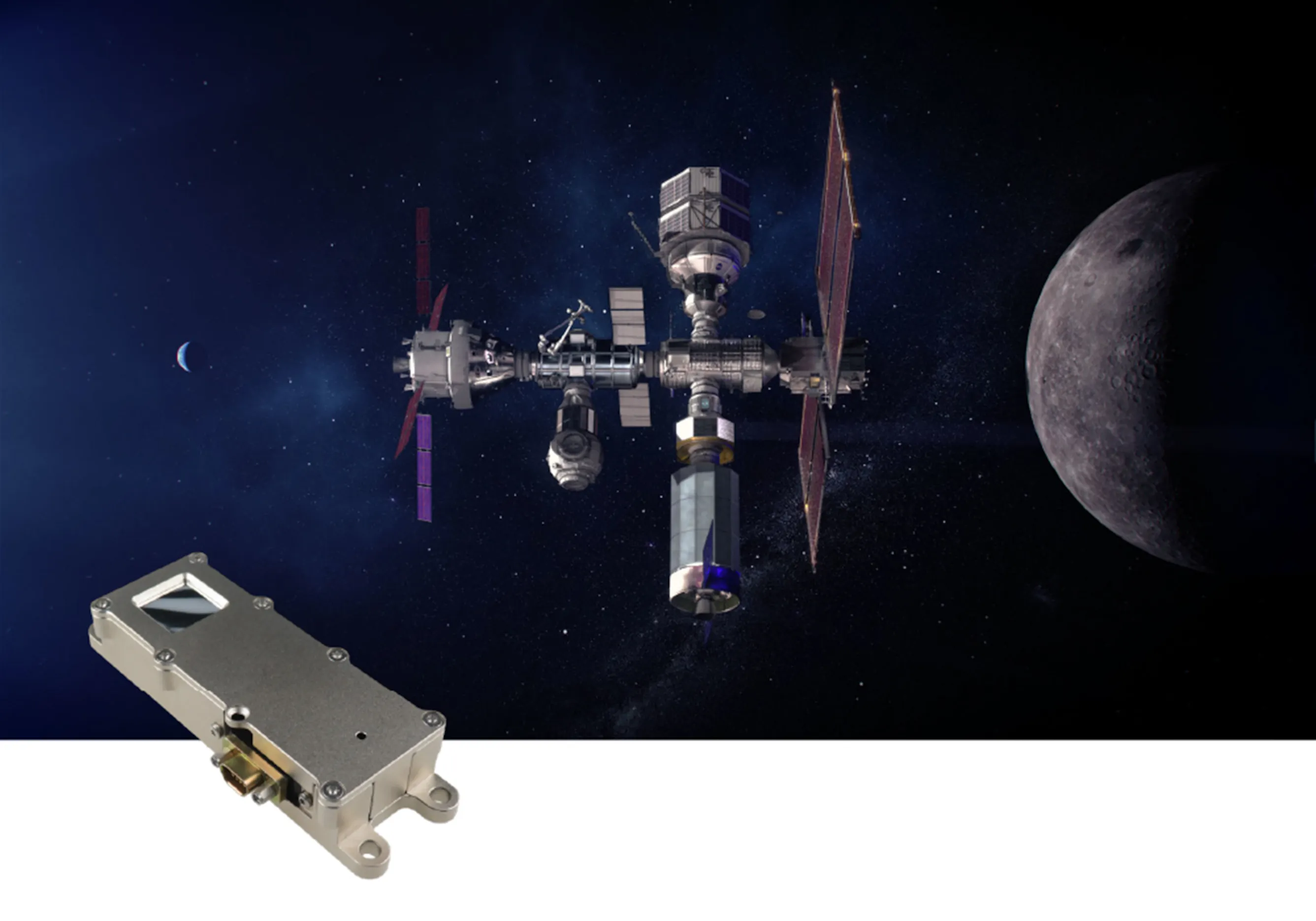
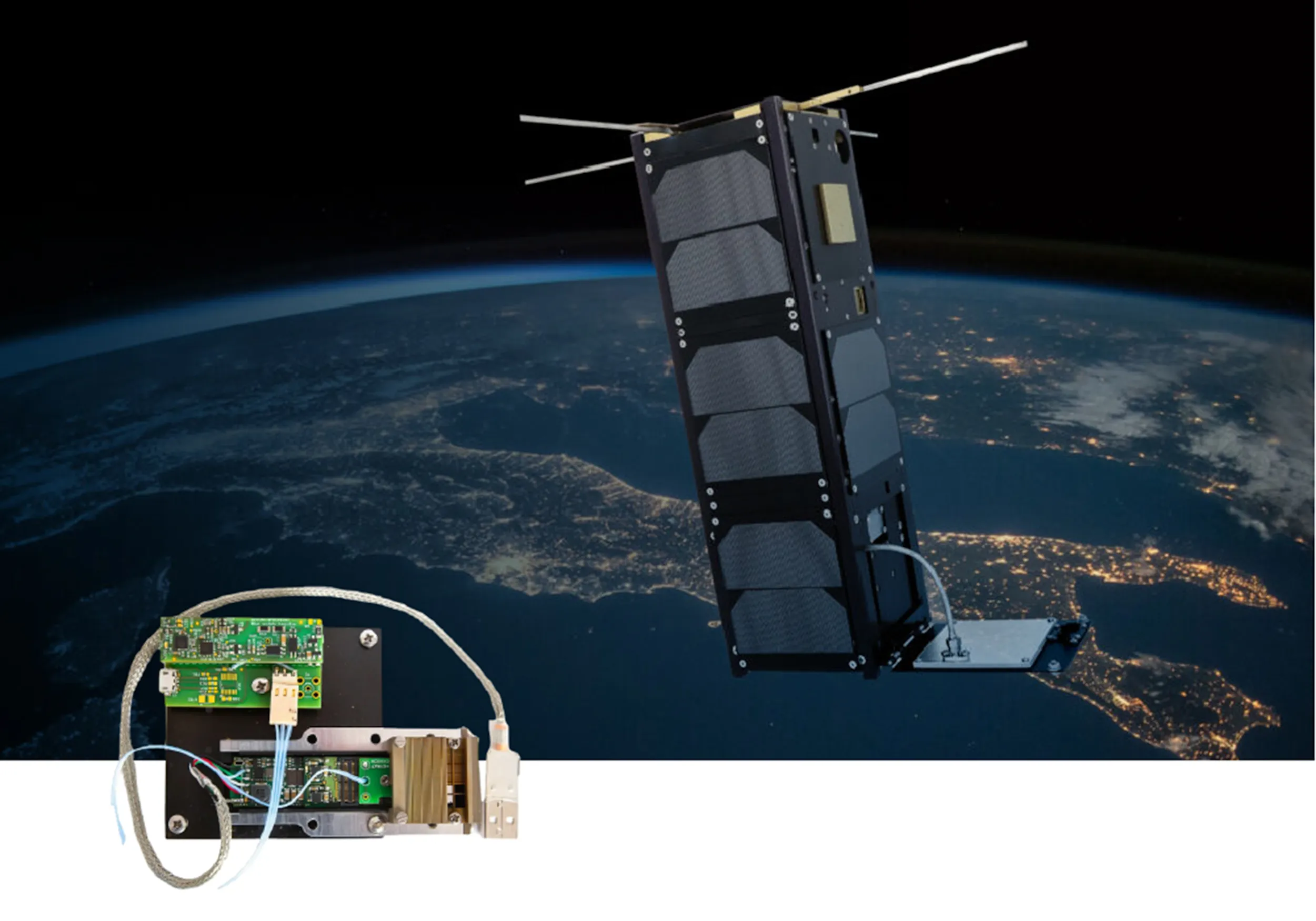
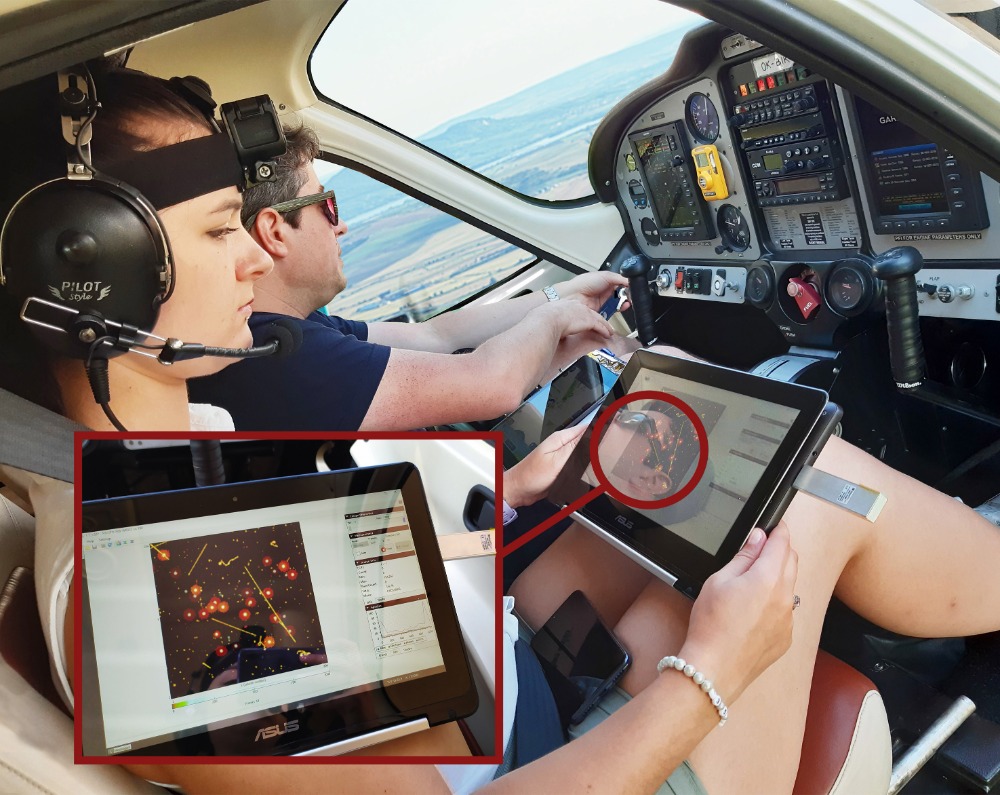
The effectiveness of Timepix-based detectors in characterizing space radiation and mixed radiation fields has been demonstrated through their use in multiple space missions. These include the International Space Station, the SATRAM payload aboard the ESA Proba-V satellite, VZLUSAT cubesats, and even the Artemis-I mission to the Moon. A Timepix detector was integrated into the HERA Radiation monitor onboard NASA’s Orion spaceship in the latter.
The detectors can quickly identify particle-event types, such as light and heavy charged particles, X-rays, gamma rays, or neutrons. For example, protons usually appear as broad, straight tracks because of their larger mass, while electrons form thin, long, curved tracks. Low-energy electrons register as small tracks, and X-rays appear as minuscule dot-like tracks spanning just a few pixels.
Applications