Protecting Power Grids from Space Weather with MiniPIX
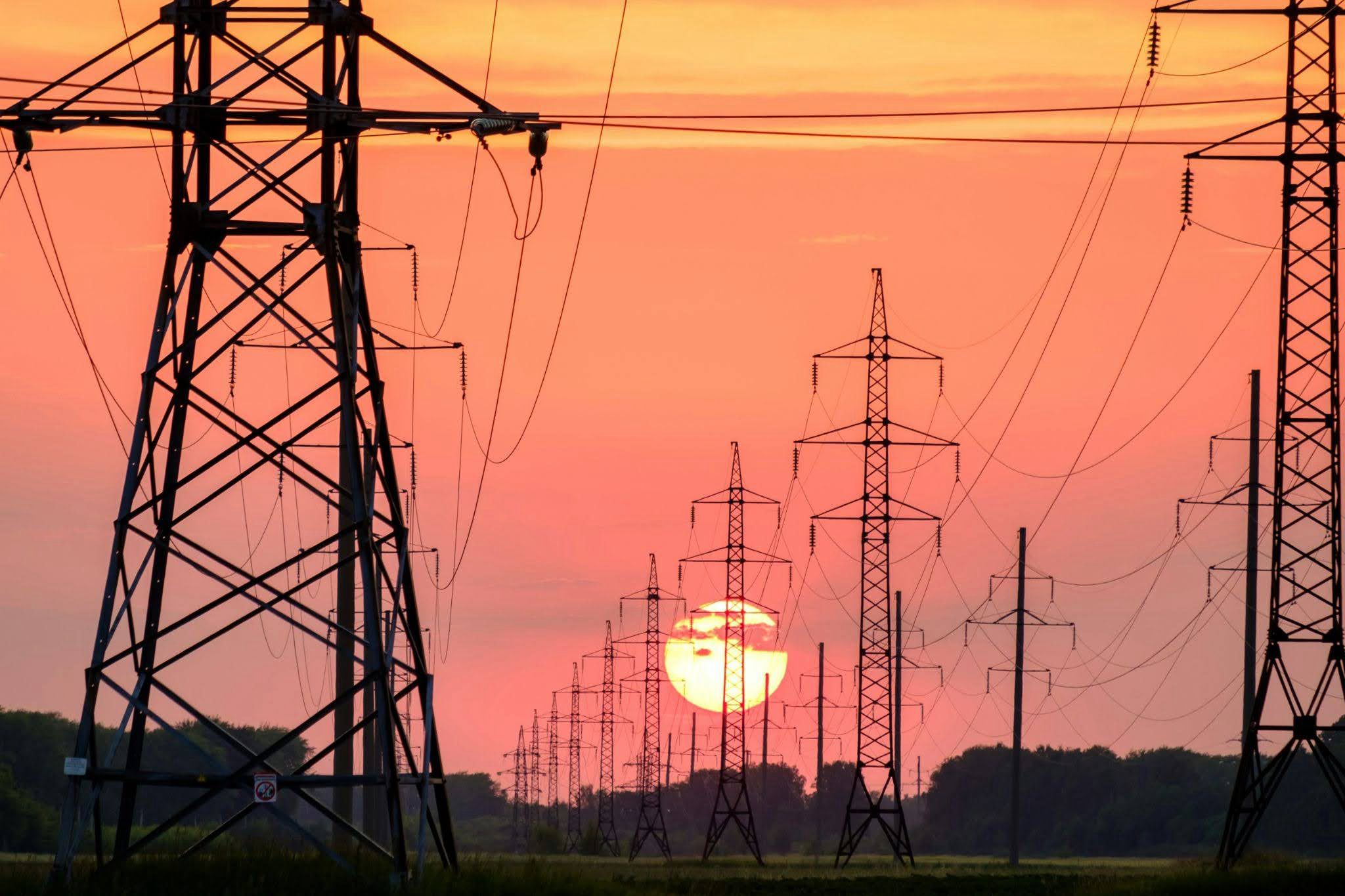
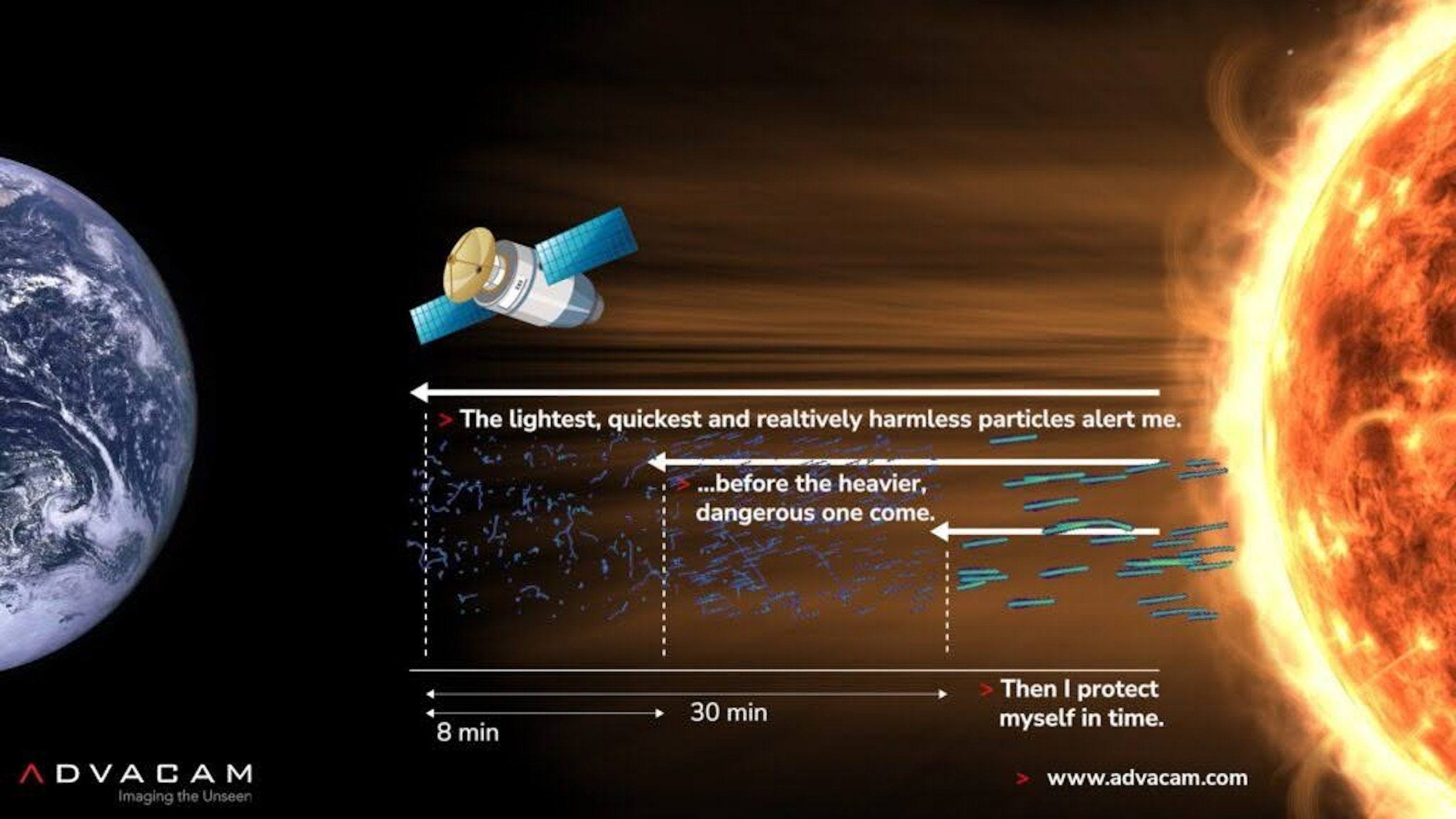
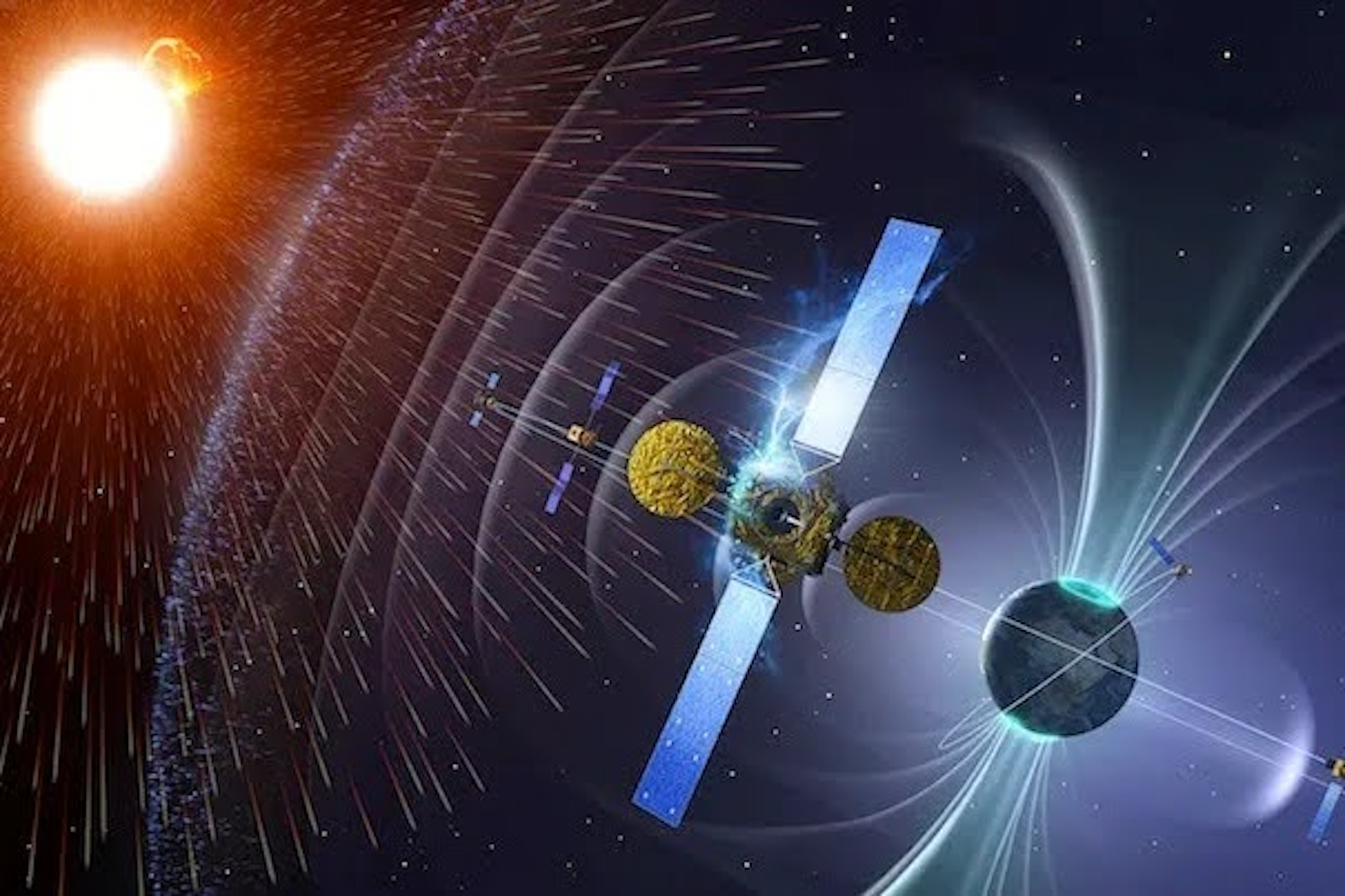
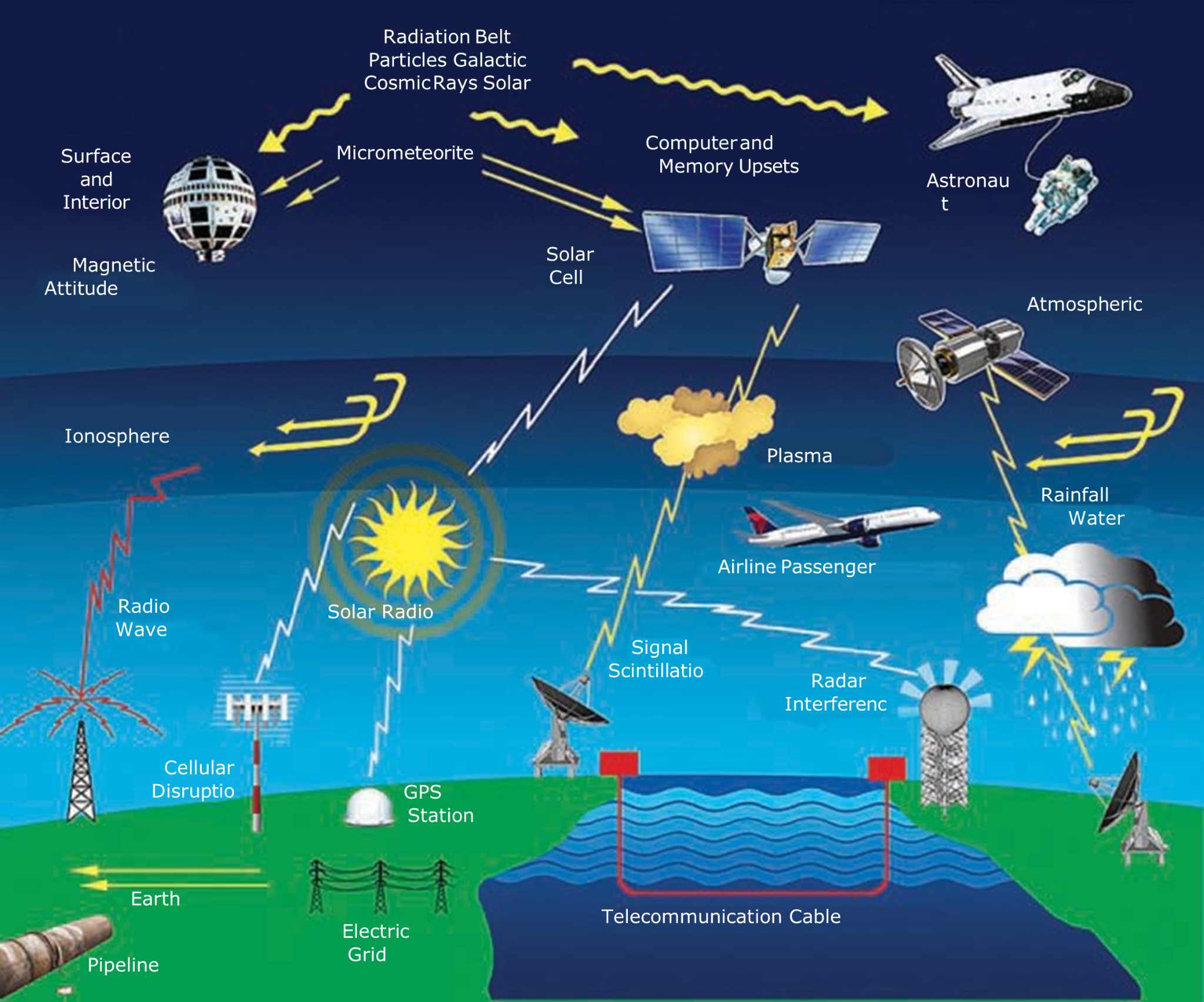
Modern electricity transmission networks face an often-overlooked threat: space weather. Solar storms can trigger geomagnetically induced currents (GICs) in long power lines, potentially leading to transformer core saturation, overheating, harmonic distortion, over-voltage, or even large-scale grid instability and blackouts.
History shows the severity of the risk. Major geomagnetic events in 1921, 1940, 1989, and 2003 caused widespread disruptions, while an extreme storm comparable to the 1859 Carrington Event is statistically plausible within decades. As a result, governments and infrastructure operators—particularly at higher latitudes—are placing increasing emphasis on monitoring solar activity and preparing early-warning systems.
In the United Kingdom, for example, the Royal Academy of Engineering has recommended that grid operators such as National Grid strengthen their space-weather forecasting and response capabilities.
The Challenge
Even moderate geomagnetic disturbances can cause costly failures. Large statistical studies of insurance claims in North America have shown that grid-related incidents increase significantly on days of heightened geomagnetic activity. Similar correlations have been identified in Central Europe, suggesting that the threat is not limited to polar regions.
Yet for grid operators, linking individual equipment failures directly to space weather remains difficult. Without localized radiation and particle-environment measurements, utilities must rely largely on indirect models—complicating maintenance planning, system upgrades, and insurance settlements.
The AdvaSpace Opportunity
AdvaSpace sees a strong opportunity to bring space-proven radiation-monitoring technology into the power-infrastructure domain.
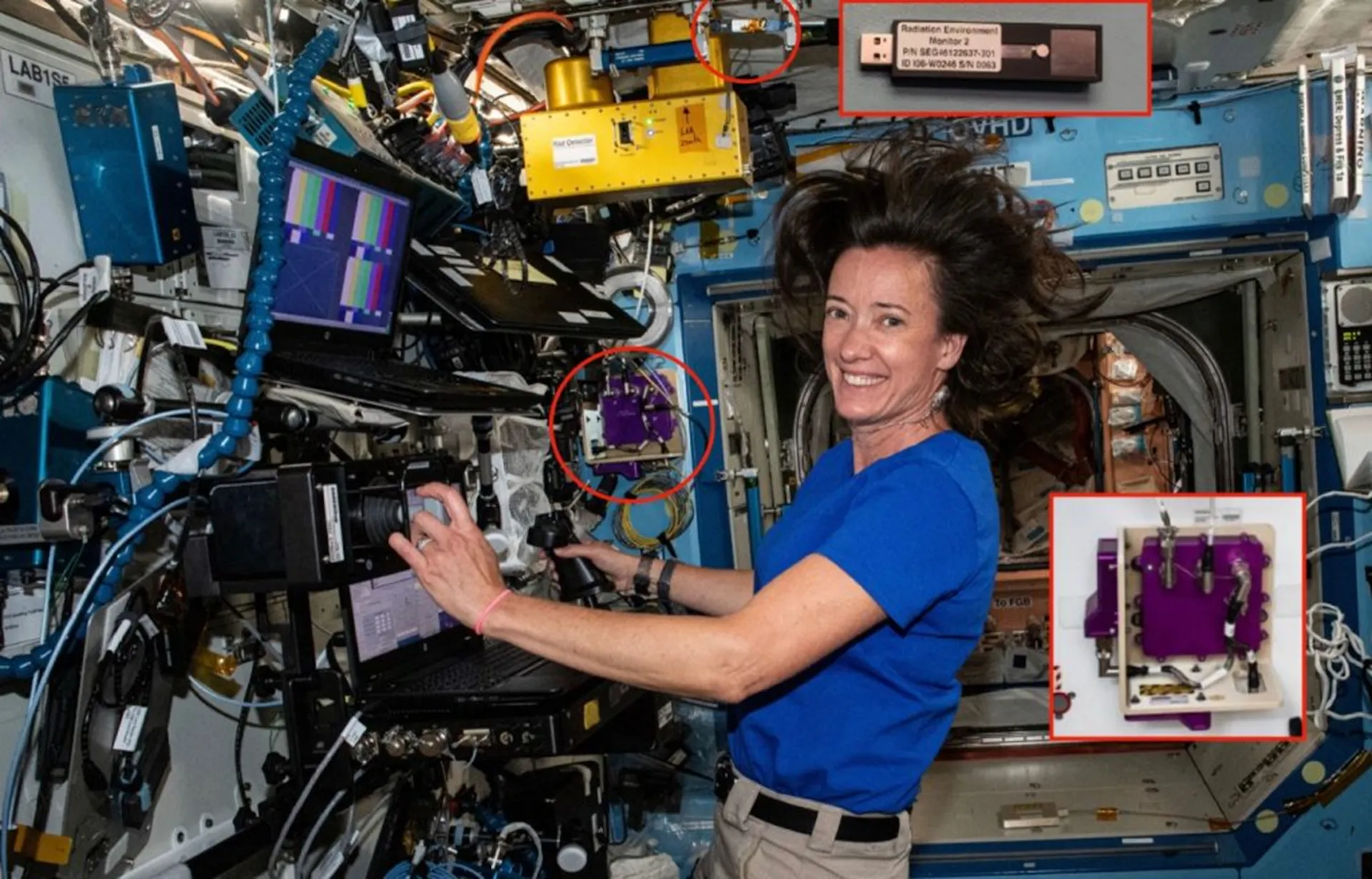
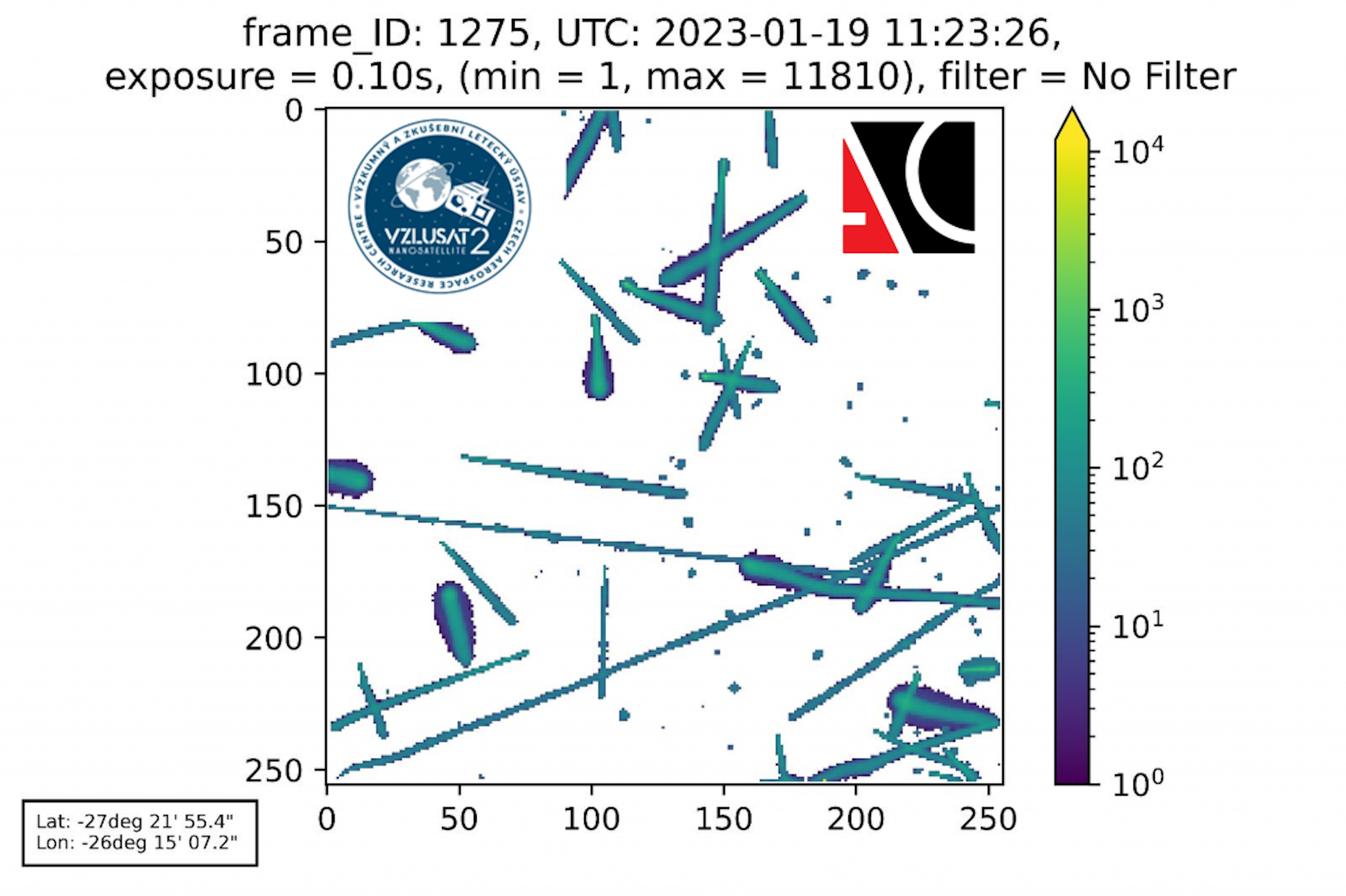
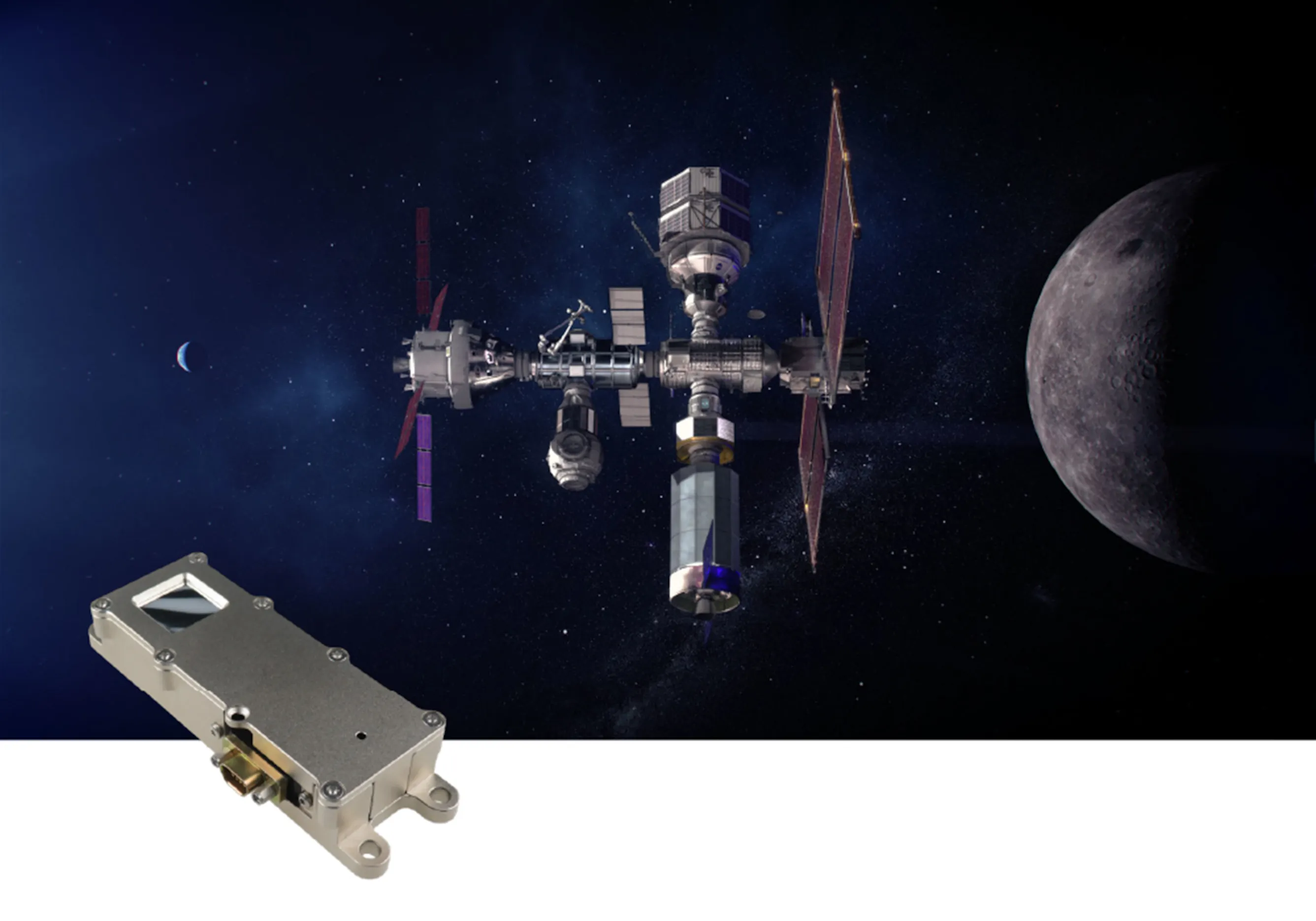
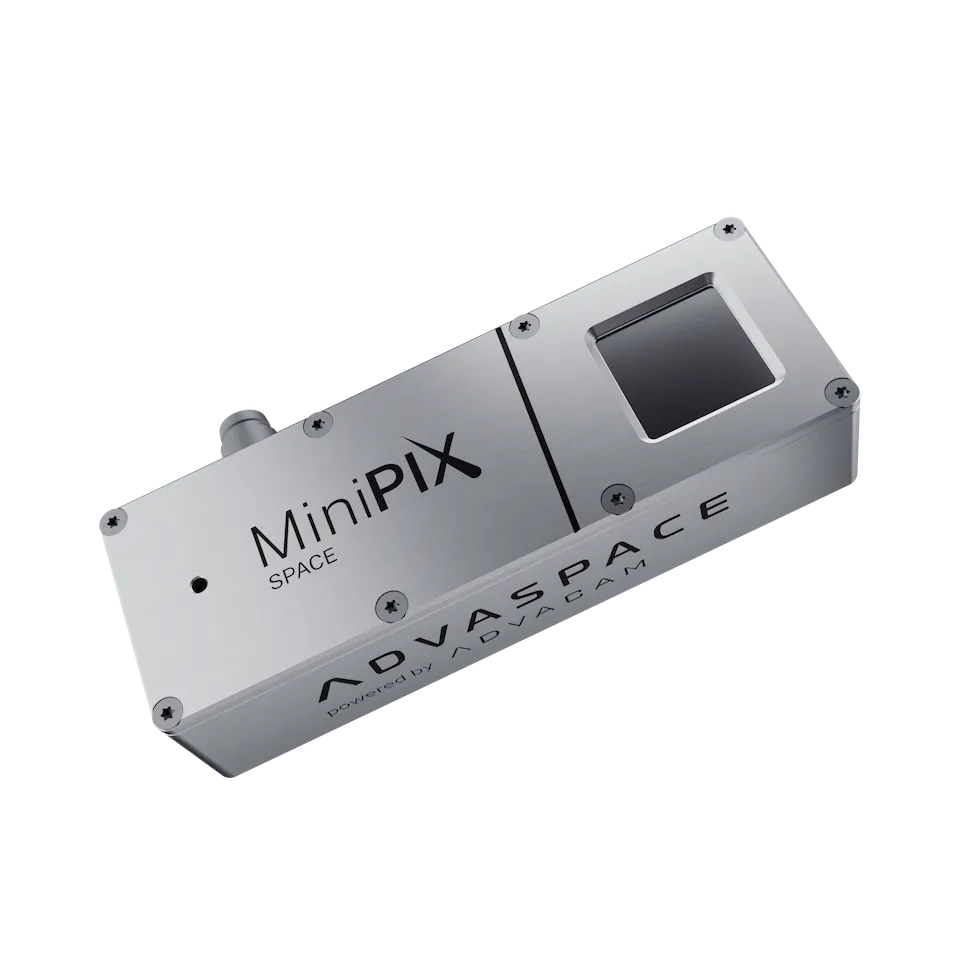
MiniPIX detectors—built on Timepix-based sensor technology from ADVACAM—can provide precise information about the radiation environment at a given time and location in orbit, helping validate geomagnetic-storm forecasts derived from other monitoring systems.
When deployed directly at critical ground installations, MiniPIX sensors can also verify whether specific grid anomalies coincide with radiation or space-weather events. This local confirmation is invaluable for operators assessing transformer stress, prioritizing upgrades, or substantiating insurance claims after disturbances.
Operational Benefits
With access to particle-resolved radiation data and expert interpretation from AdvaSpace, grid operators could:
- Strengthen early-warning systems for severe geomagnetic storms
- Correlate outages and equipment degradation with space-weather events
- Optimize protection strategies for vulnerable transformers
- Improve maintenance scheduling and asset-lifetime management
- Support regulatory reporting and insurance processes
Outcome
By extending heritage Timepix-based detector technology from space missions into critical-infrastructure monitoring, AdvaSpace positions MiniPIX as a bridge between orbital space-weather observations and terrestrial grid protection.
The result is a new data layer for power-system resilience—helping operators reduce financial losses, protect key assets, and prepare for the rare but potentially catastrophic solar storms that can reshape the stability of modern electricity networks.