Space weather monitoring
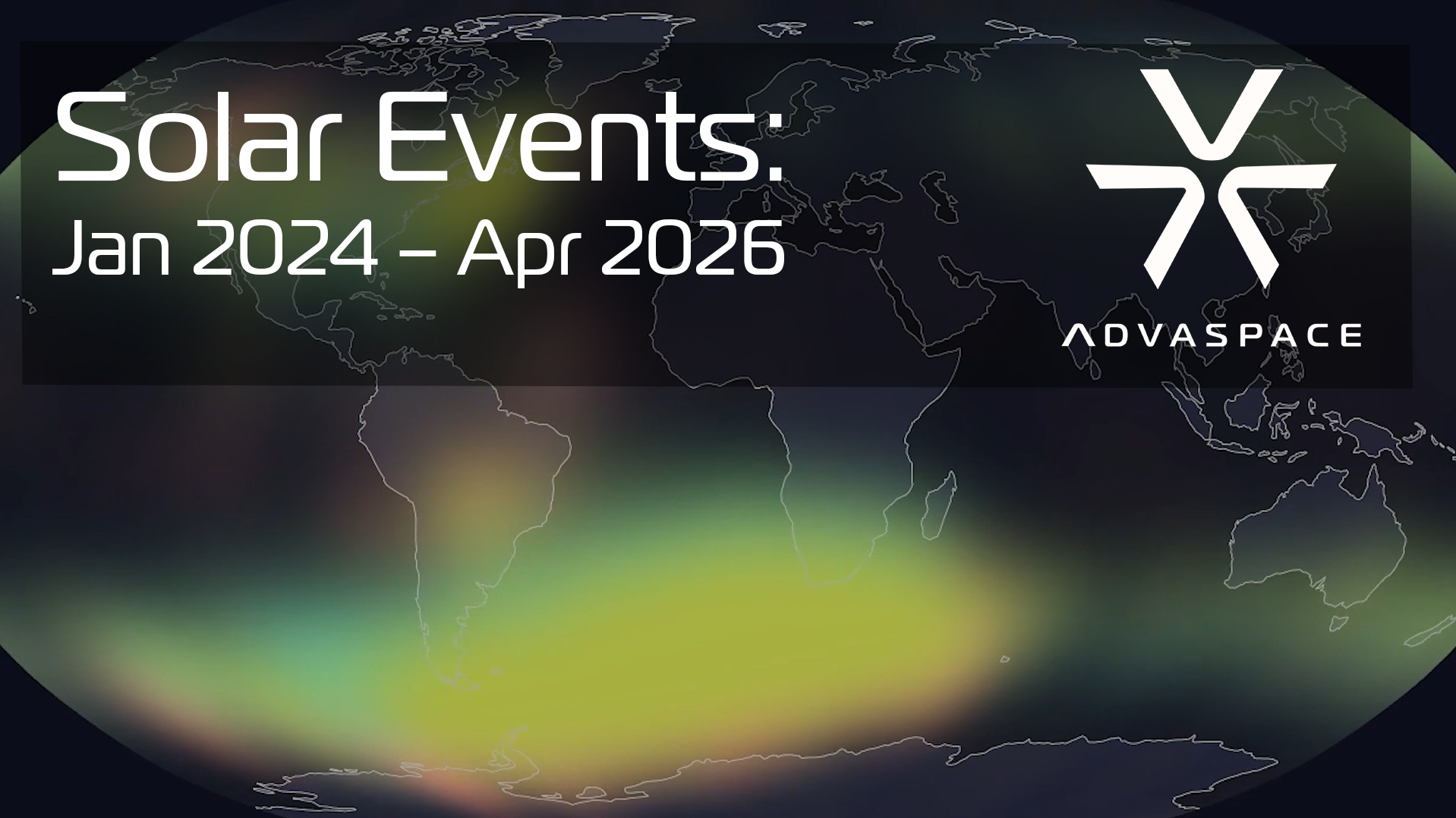
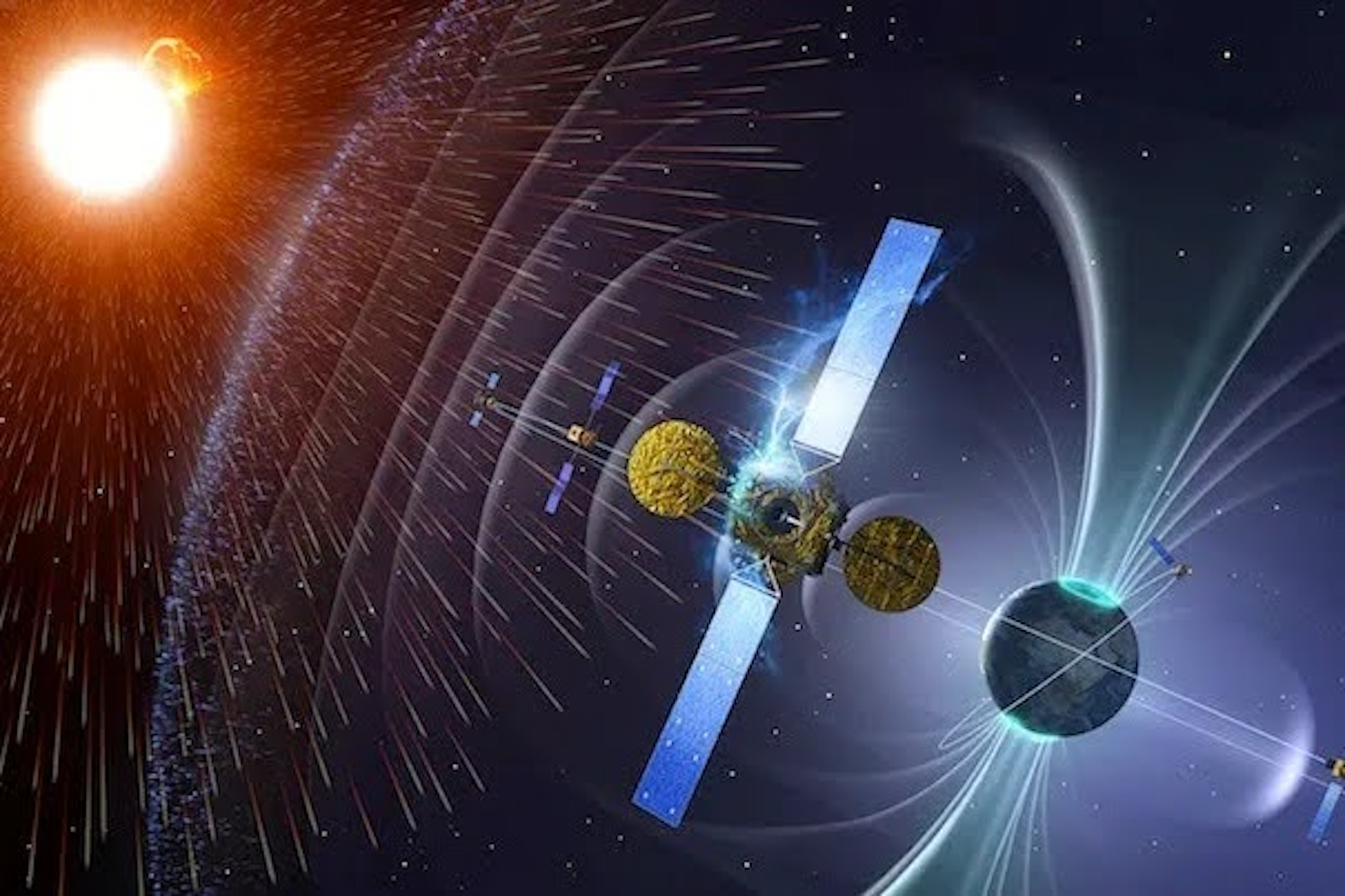
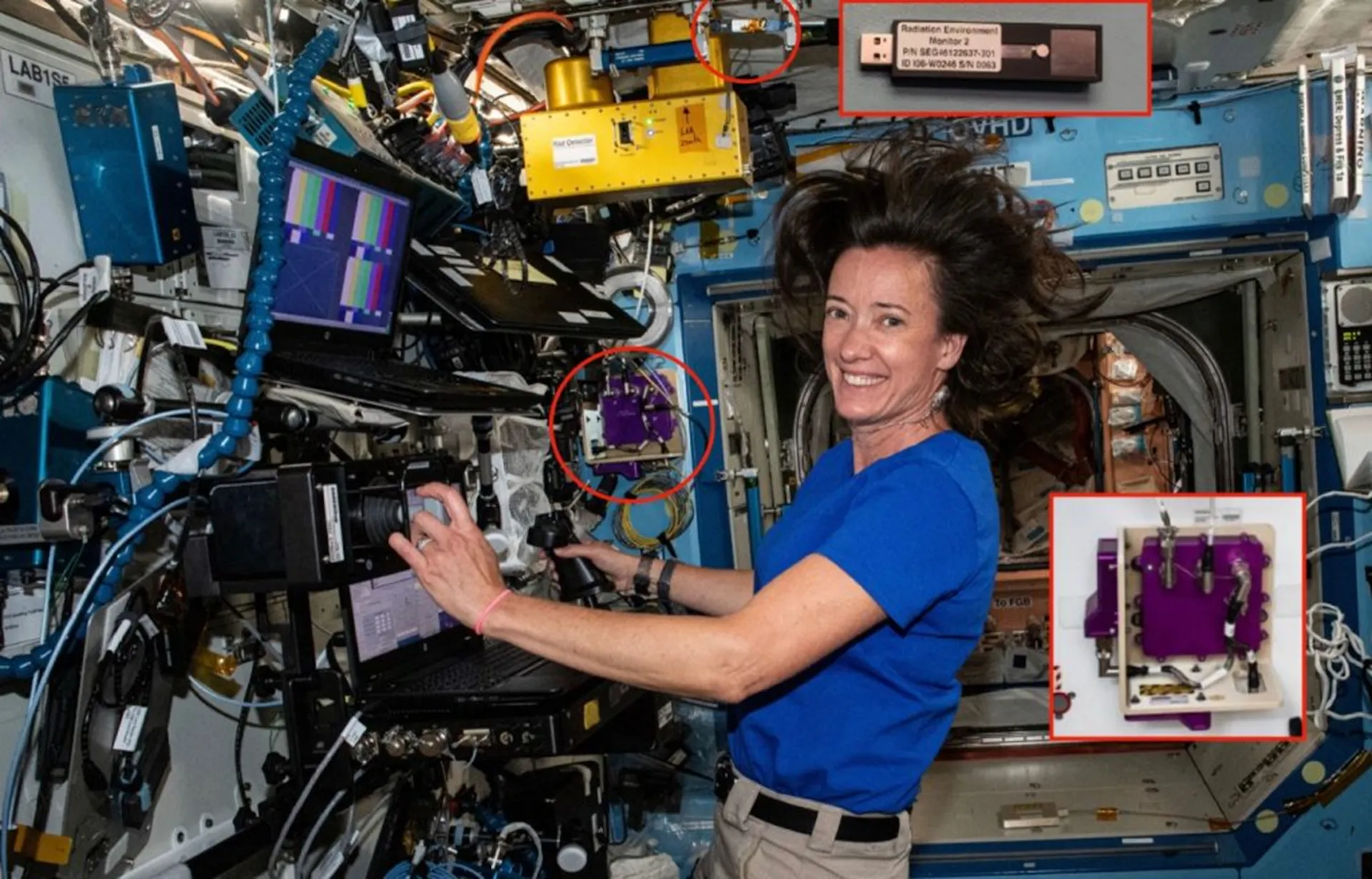
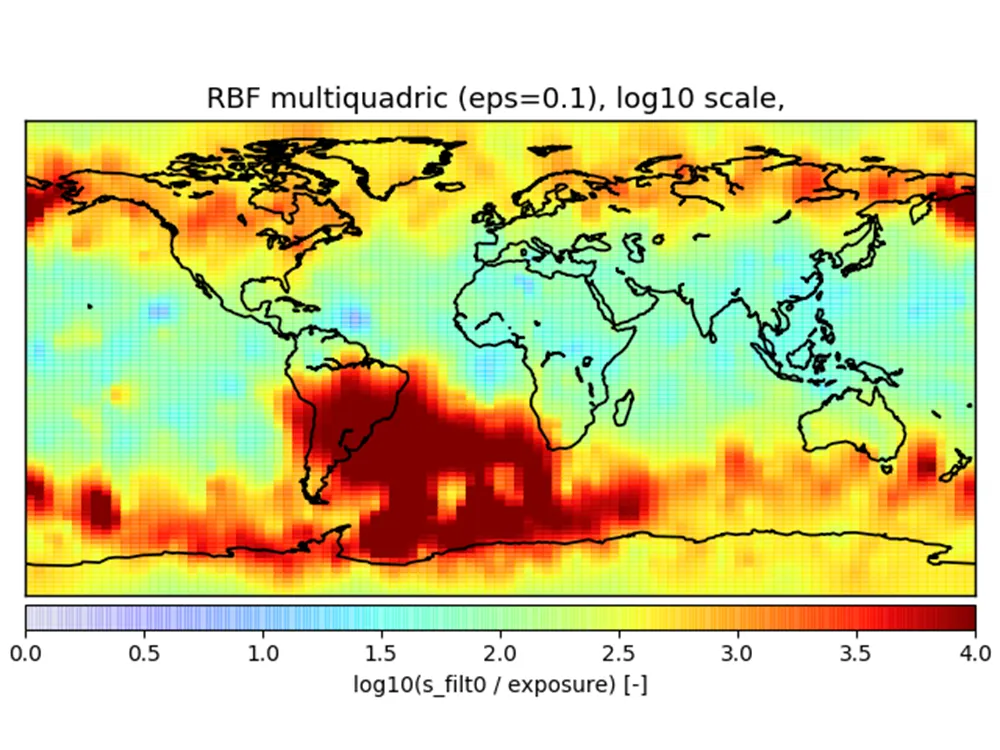
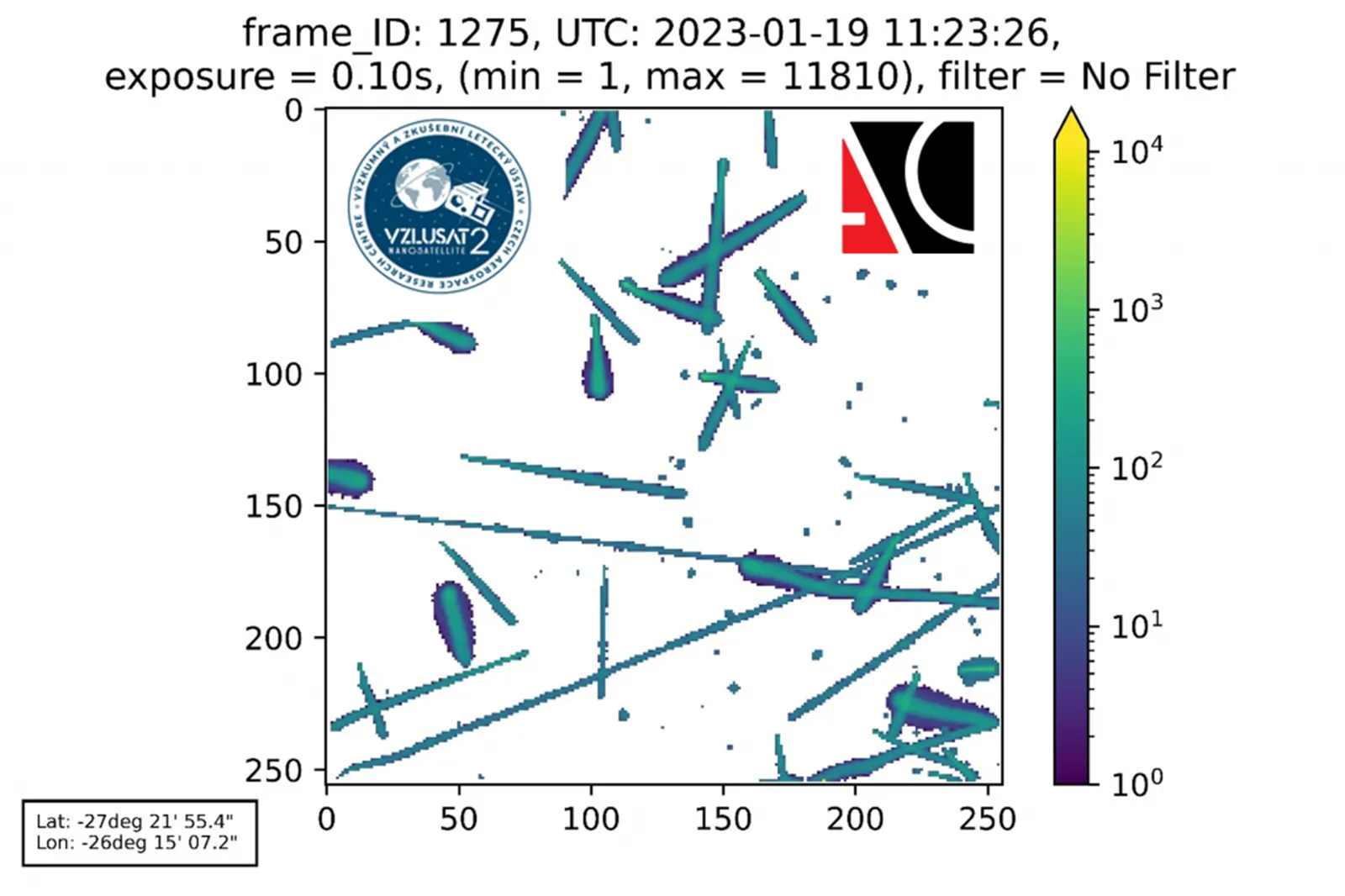
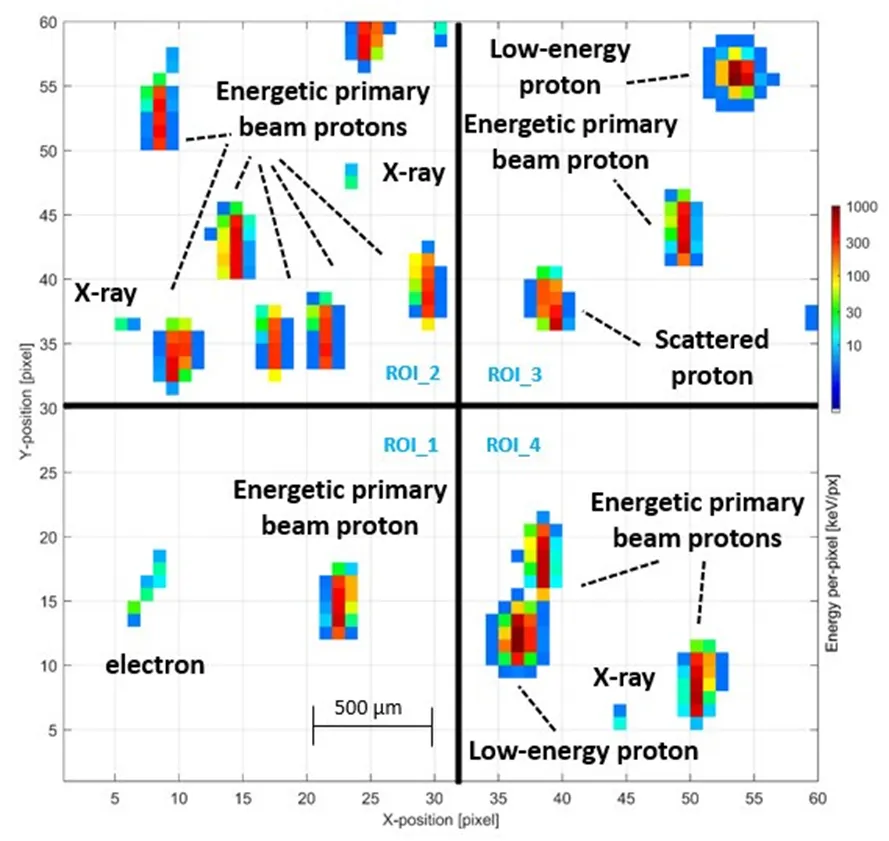
Charged particles from solar flares and coronal ejections can harm astronauts‘ health or induce damaging spacecraft‘s sensitive electronics. Our miniaturized low-power consumption radiation cameras can help to prevent this damage, as they can track every particle and determine its type, energy, and angle of incidence. High-energy particles, primarily protons or cosmic rays, can penetrate spacecraft and pose significant health risks to astronauts. Similarly, space weather phenomena can adversely affect the electronics of satellites or space stations.
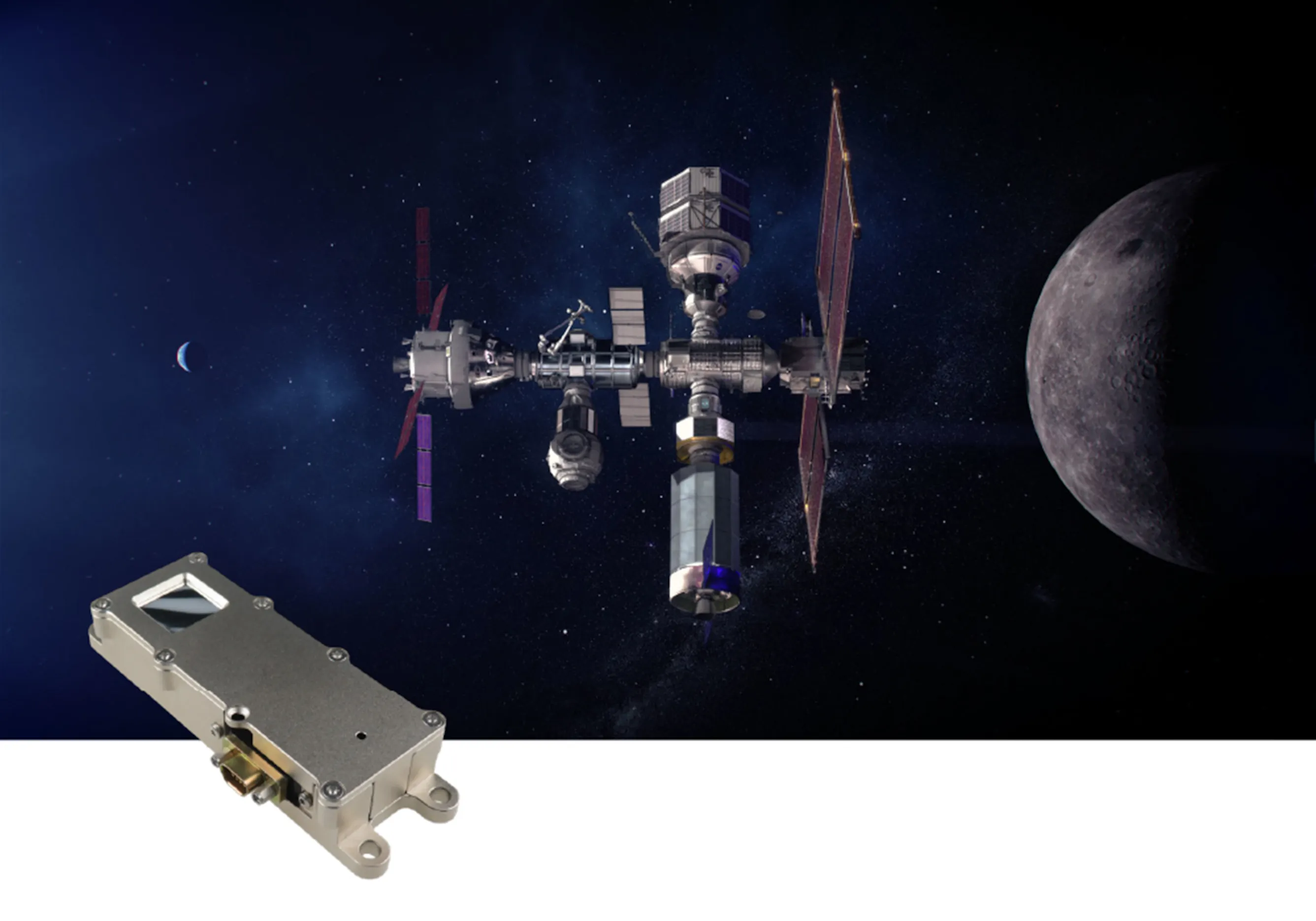
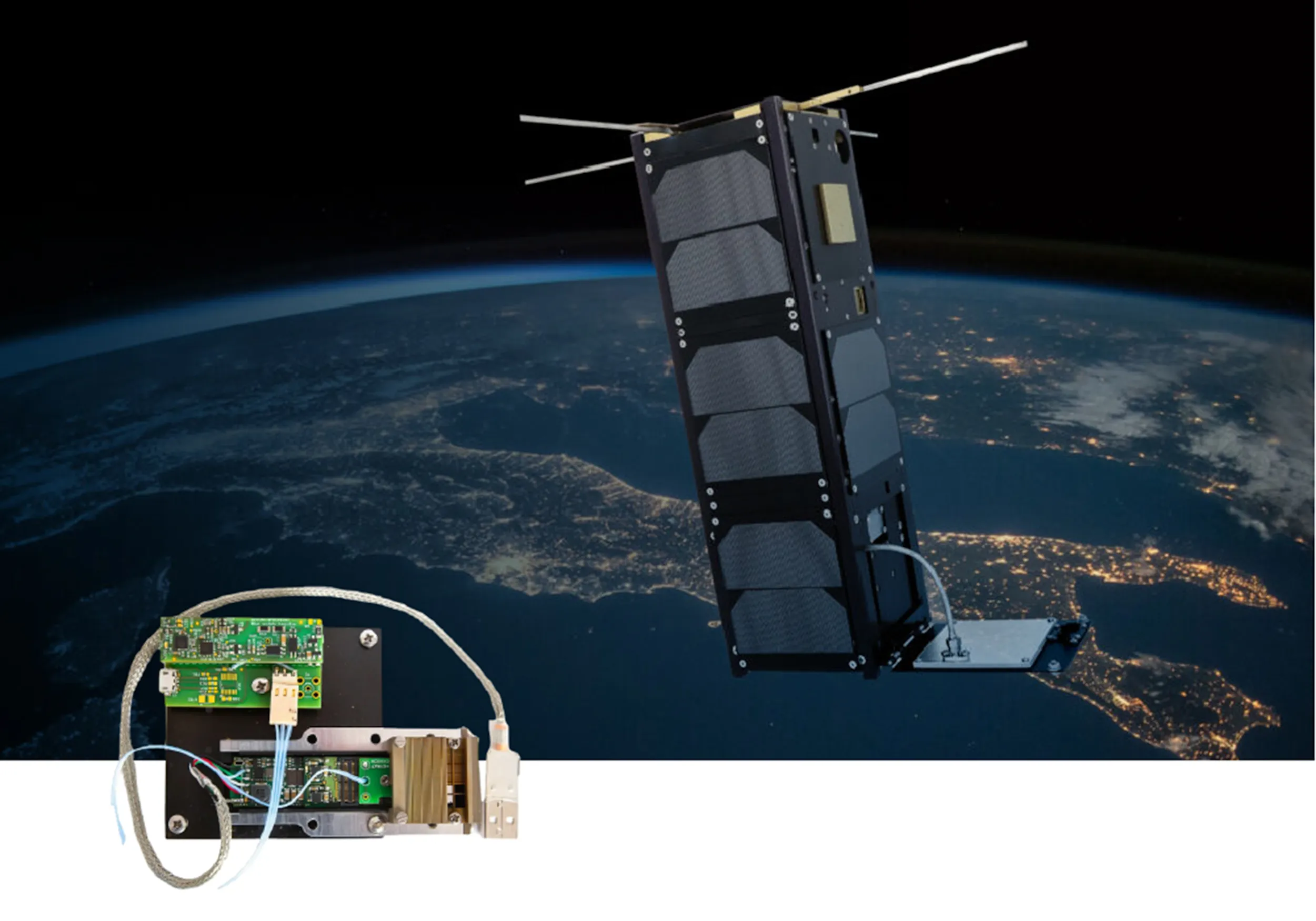
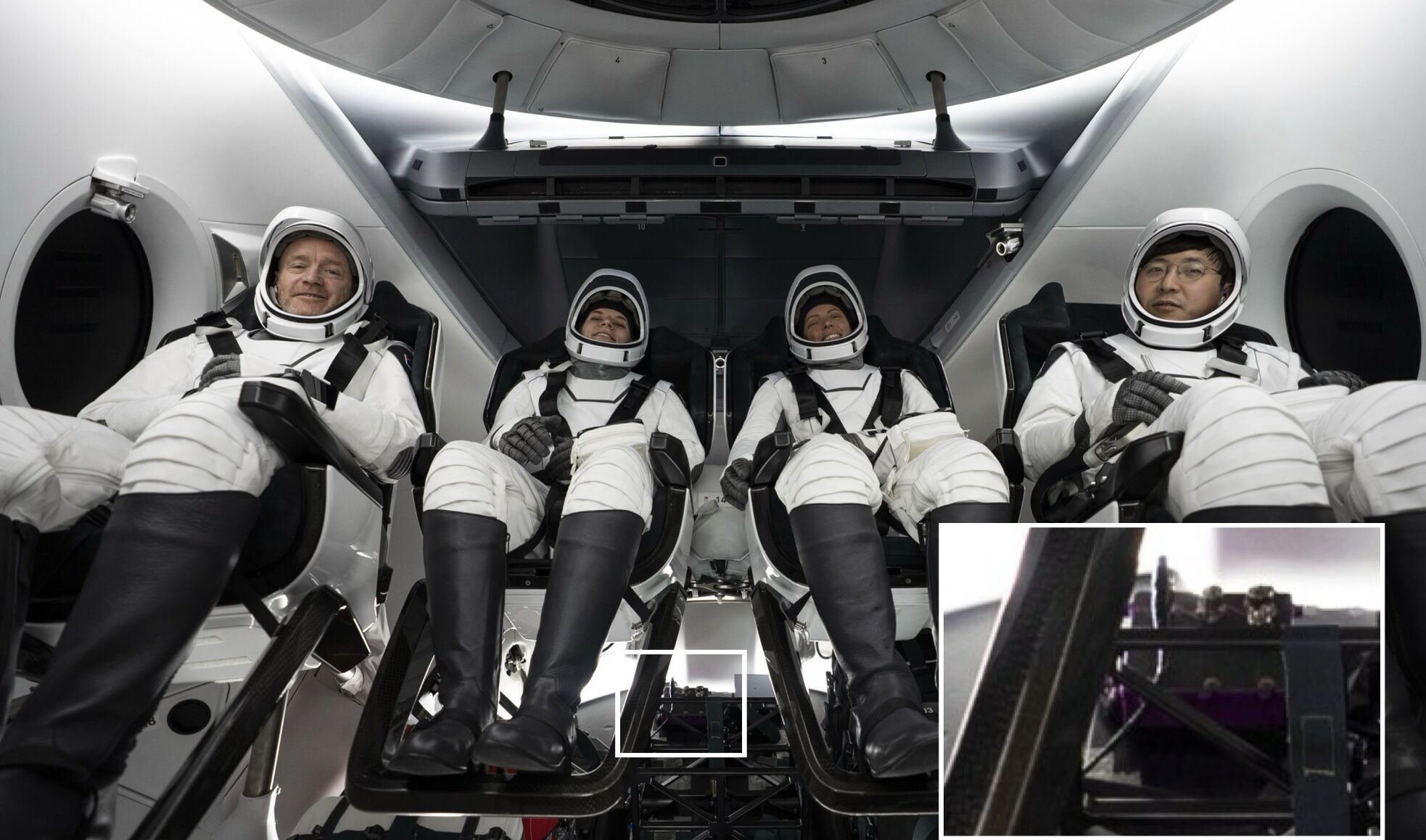
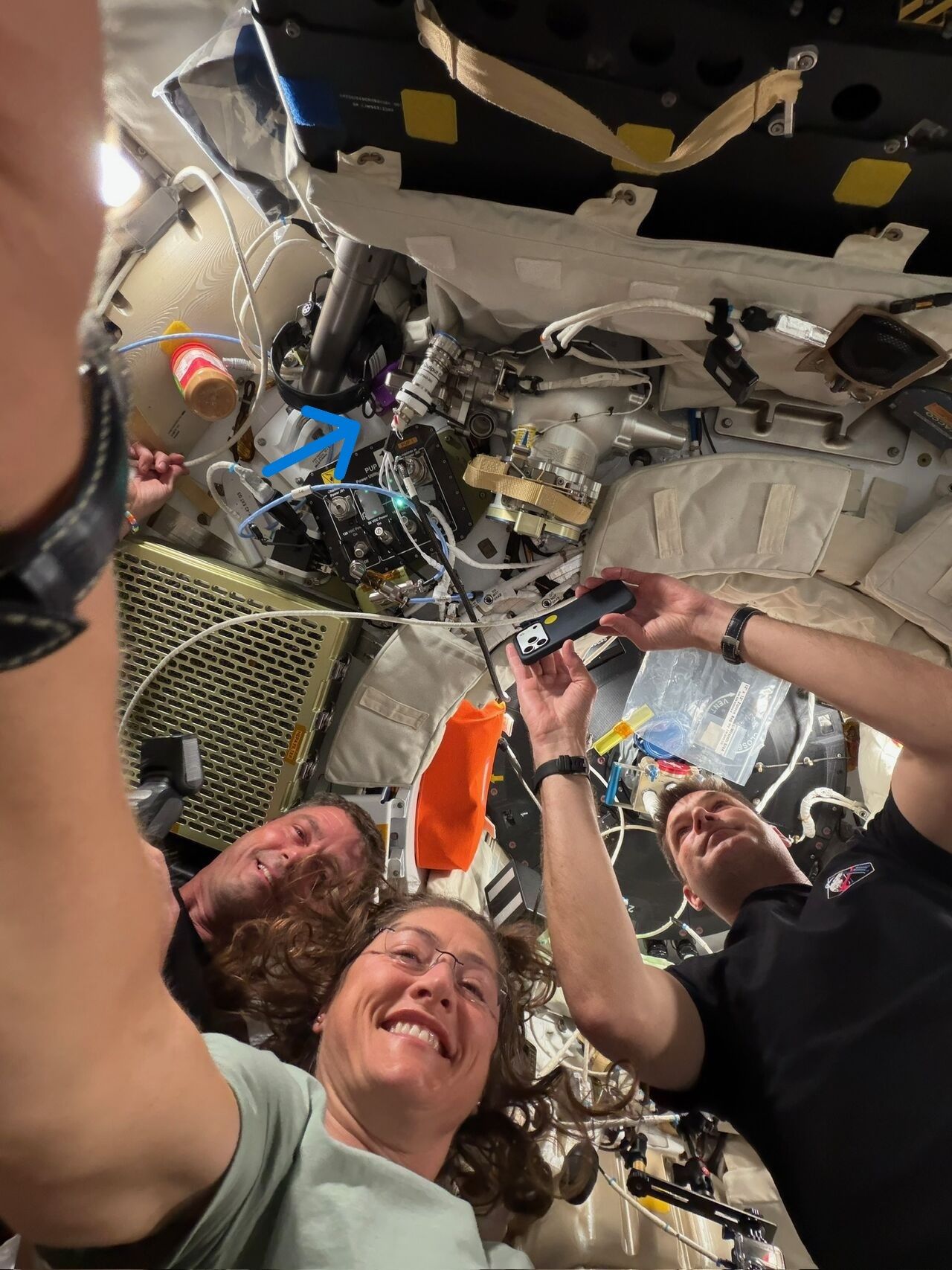
For these reasons, space agencies, including NASA and ESA, and our commercial customers have integrated Timepix-based radiation monitors into their spacecraft, probes, and satellites. These missions included Gateway Lunar Station, Polaris Dawn mission or ARTEMIS II programme.
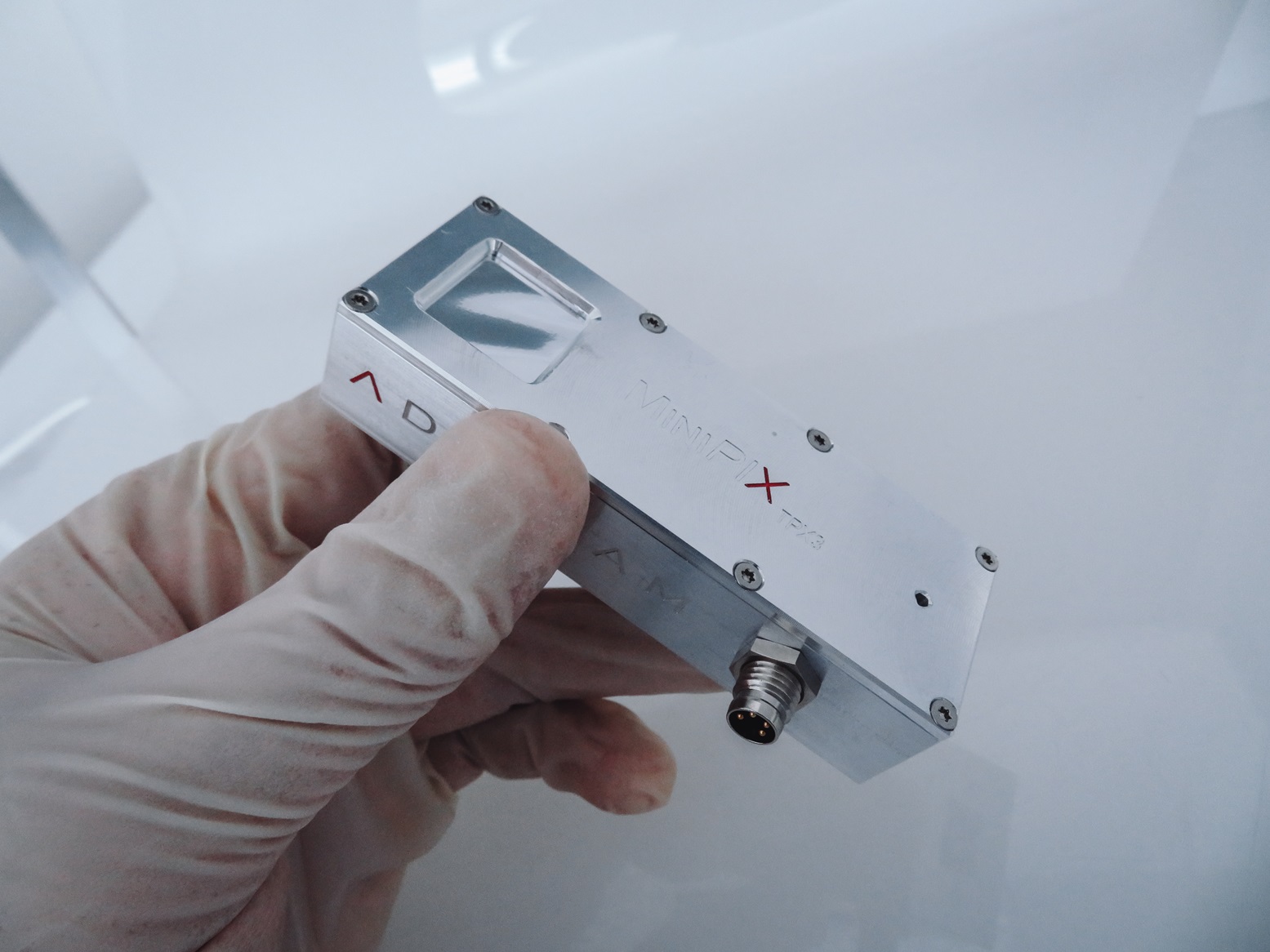
A vital component for the ARTEMIS II flight success was the HERA (Hybrid Electronic Radiation Assessor) system. This NASA-developed instrument is designed to monitor cosmic radiation, which can severely impact both human health and sensitive onboard electronics. The “eyes” of the HERA system consist of six Timepix chips supplied by ADVACAM. These are integrated into two HSU (Hera Sensor Unit) units, with three modules each. This allows for a detailed analysis of the radiation’s composition, which is essential because different particles have different biological effects.
Furthermore, by identifying each particle’s type, our cameras provide space weather forecasting. The Sun’s lighter and less harmful particles arrive on Earth up to 30 minutes ahead of the heavier, more dangerous ones, providing a valuable window for protective measures to be activated, including shutting down critical onboard systems as required.
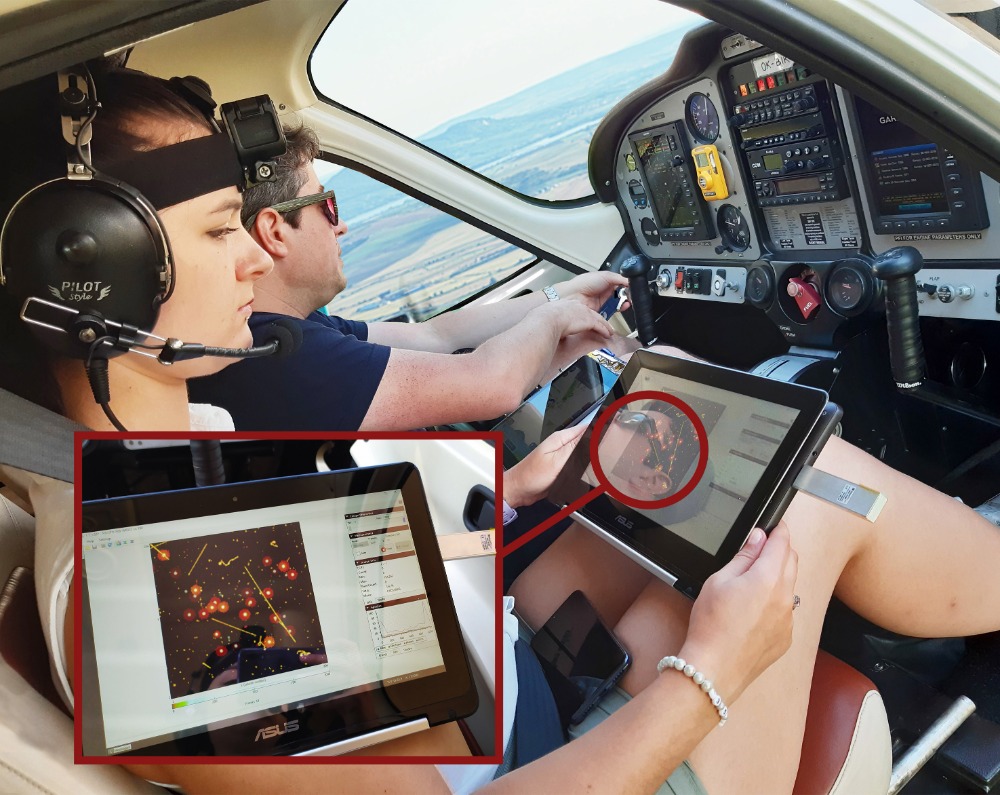
Our data-processing software, TraX Engine, was developed in cooperation with ESA to identify the properties of each particle. Possessing the capability to determine the direction of incoming radiation, our detectors play a pivotal role in optimizing protective shielding. Particularly useful when only one side of a vessel can be shielded, they allow for timely adjustments to incoming threats.
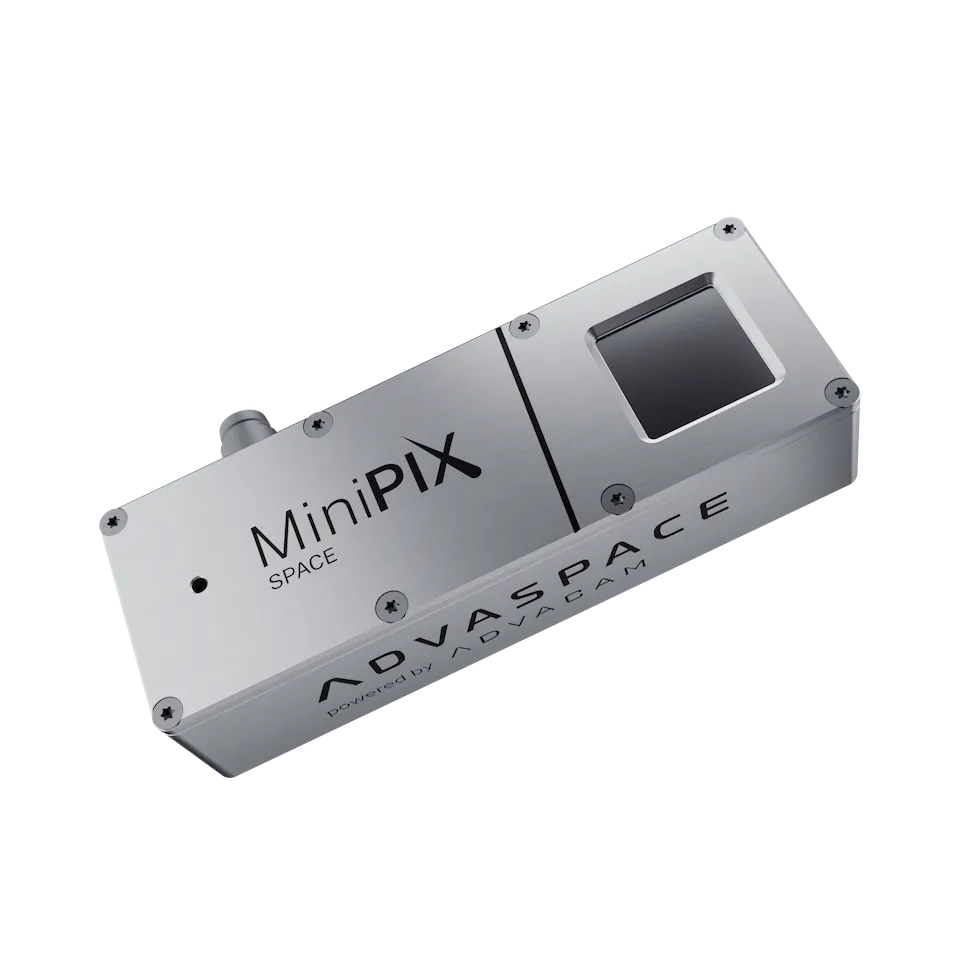
Our detectors, with their low power consumption of only roughly 2 watts and weight in the order of tens of grams, are ideally suited for integration for the demanding requirements of the space industry.
Applications