CubeSat Integration
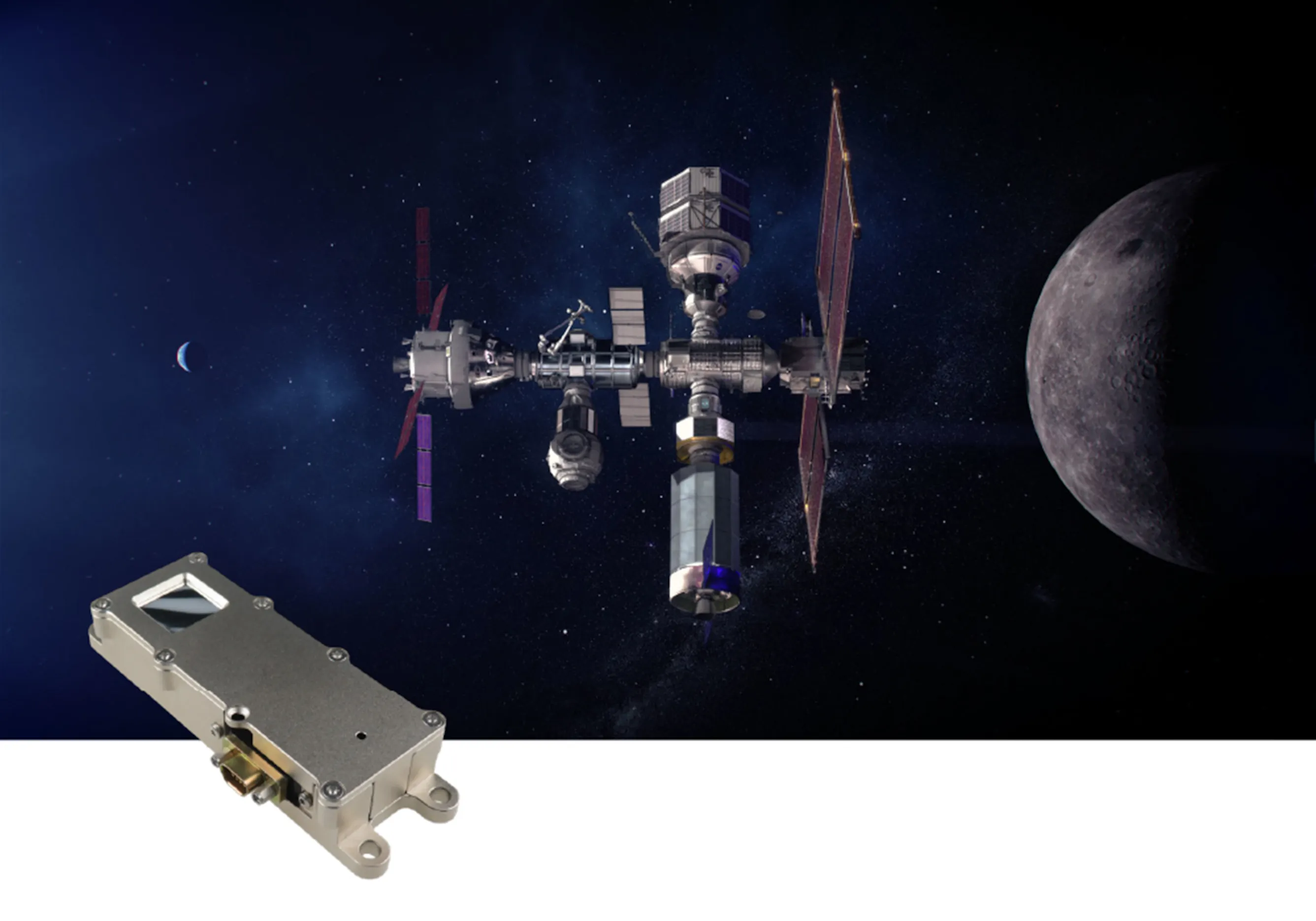
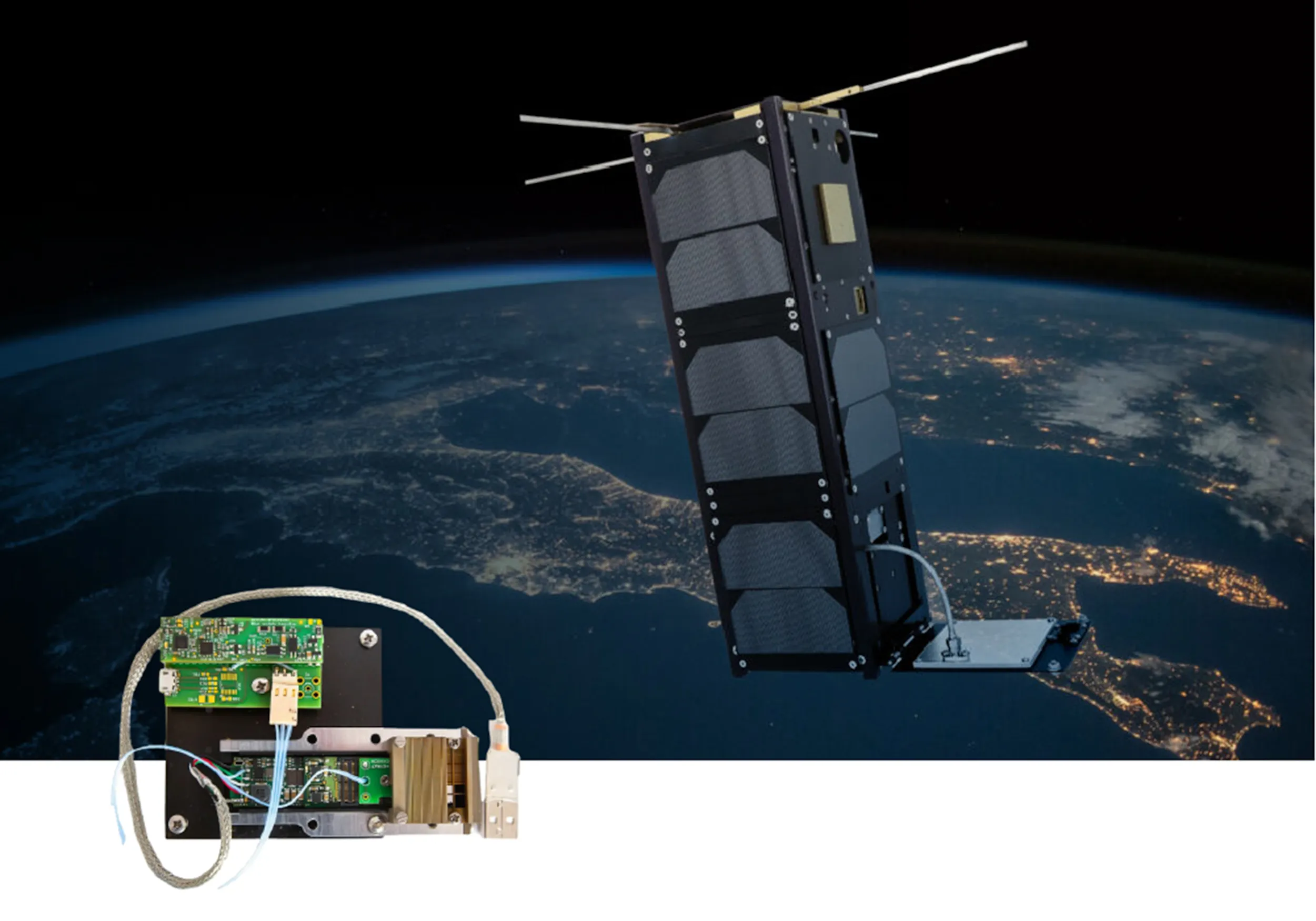
Thanks to their ultra-low power consumption of around 3 W and extremely compact form factor, Timepix-based detectors are ready for integration even into the smallest CubeSats.
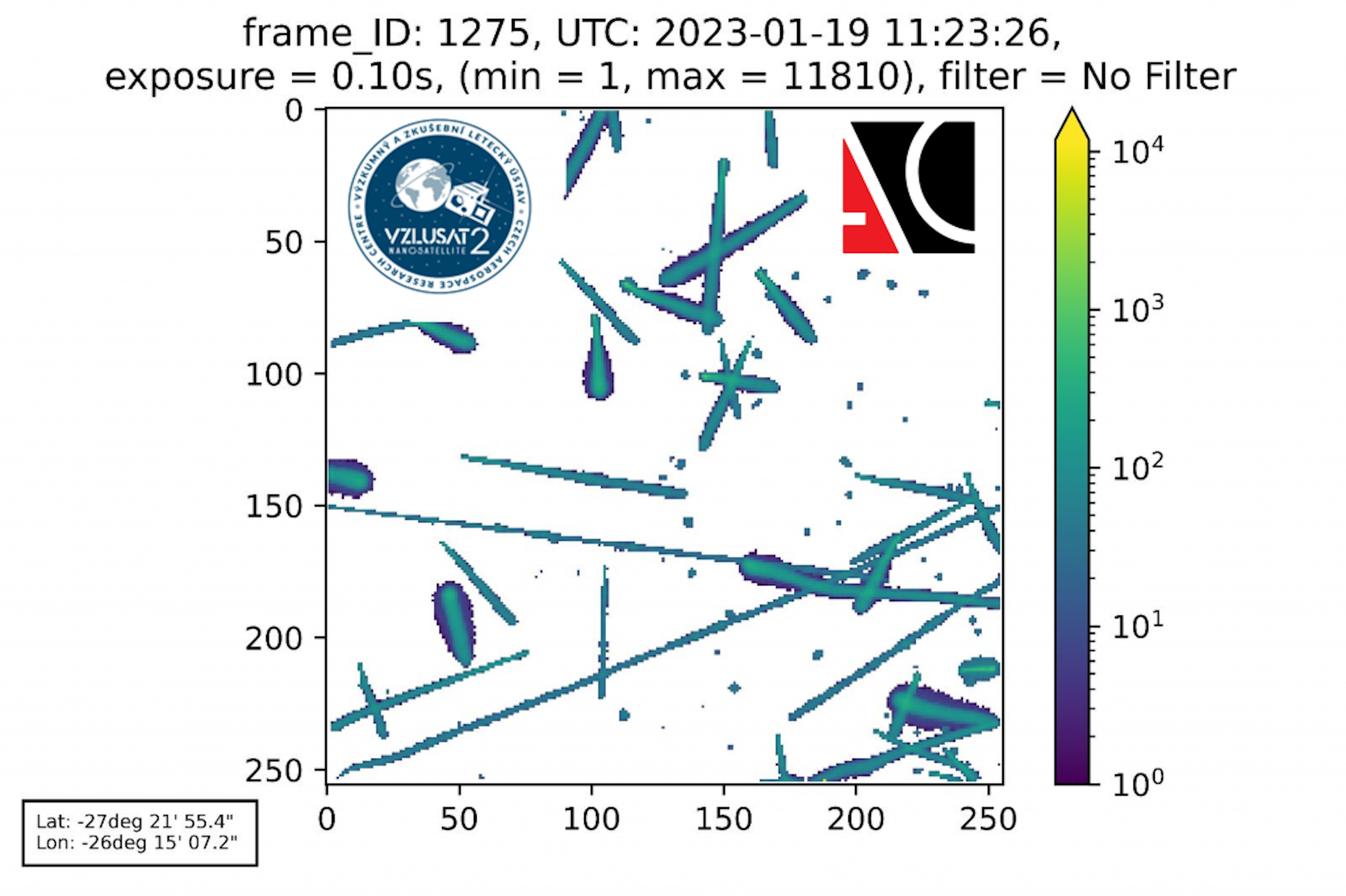
The Czech Republic has built a strong scientific and technological base for space research. Close cooperation between research institutes and specialized companies resulted in the VZLUSAT-2 nanosatellite, designed and constructed at the Czech Aerospace Research Centre.
For this mission, ADVACAM supplied its state-of-the-art hybrid pixel detector. The VZLUSAT-2 spacecraft was successfully integrated into a deployer and launched as part of the Transporter-3 mission aboard a Falcon 9 rocket. The satellite’s primary objective is to verify technologies for future missions of the planned Czech satellite constellation.
In addition to flight-proven instruments from earlier missions such as VZLUSAT-1, the spacecraft also carried a range of experimental payloads contributed by Czech universities and private companies—demonstrating the readiness of miniaturized radiation detectors for next-generation CubeSat platforms.
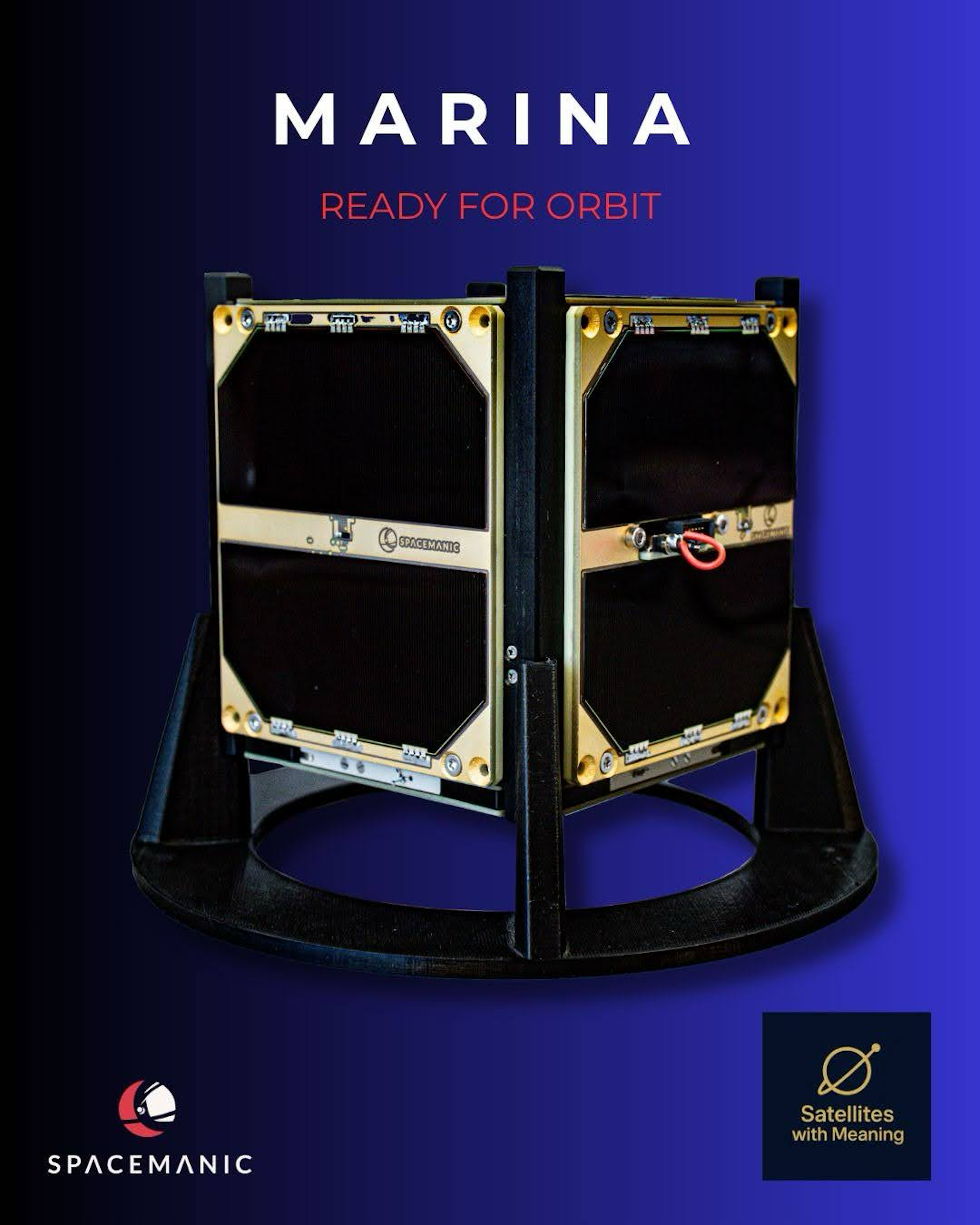
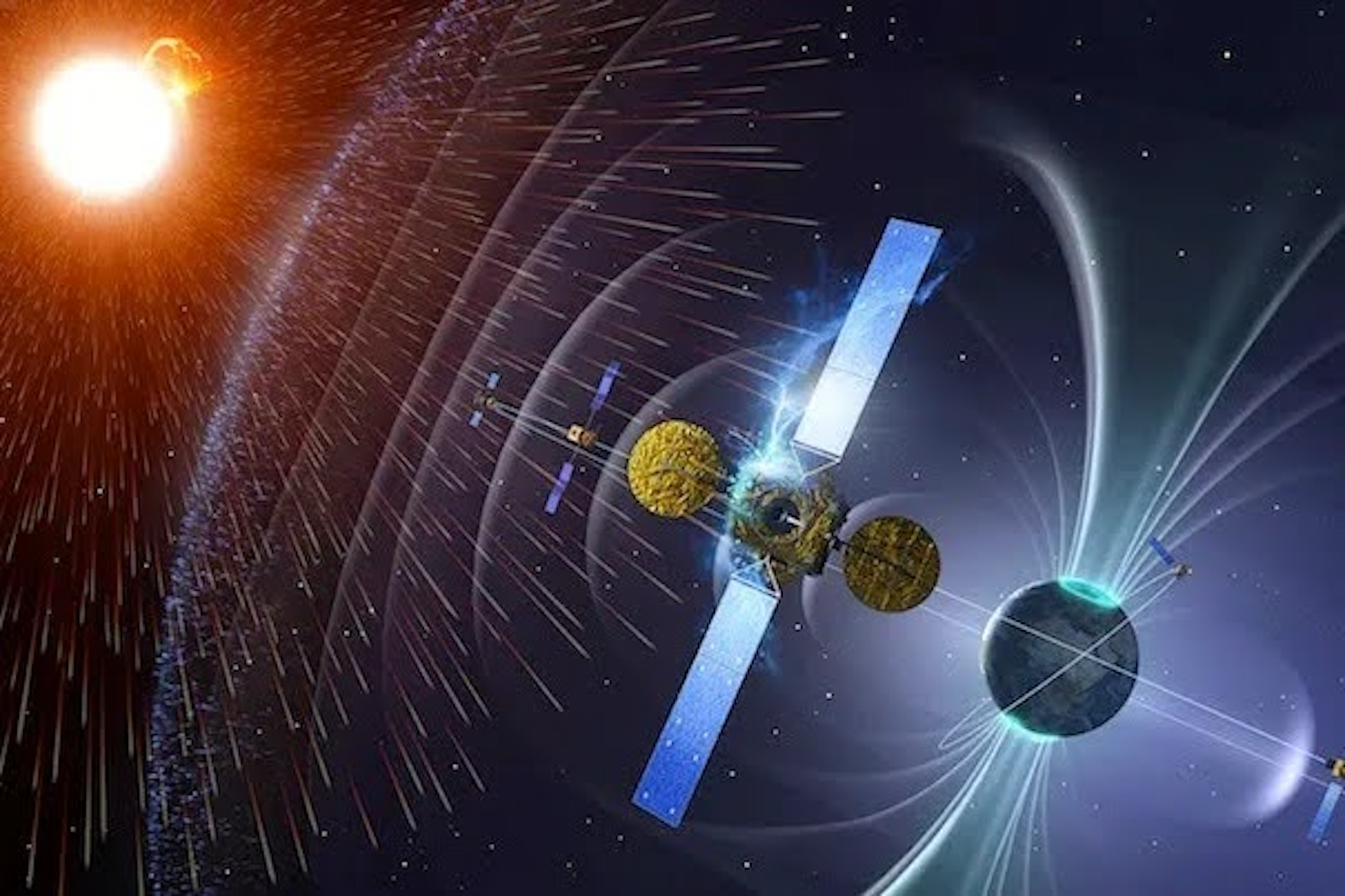
In 2026, AdvaSpace will fly approximately 590 kilometers above Earth to measure space radiation aboard the Marina 1U CubeSat mission, developed within the Satellites With Meaning initiative co-founded by Boris Procík and Charles Hodossy.
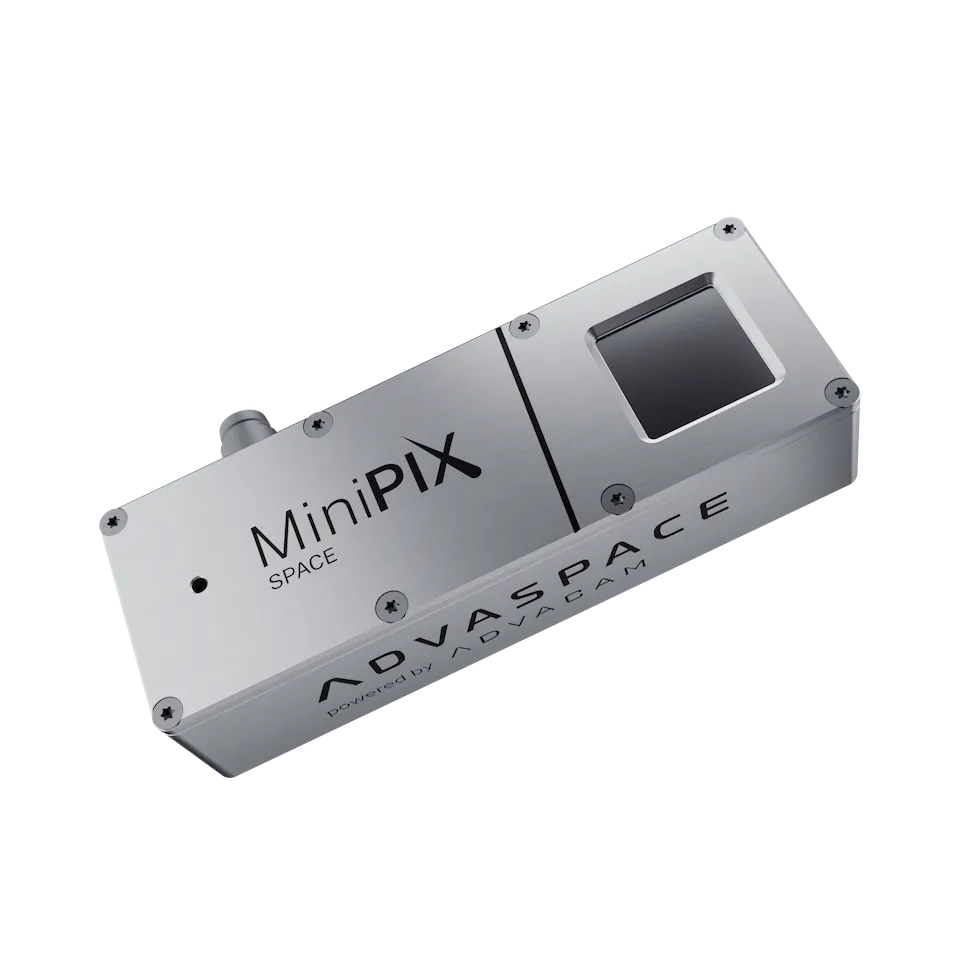
The CubeSat is built by Spacemanic and operated by the Faculty of Aeronautics at the Technical University of Košice, while AdvaSpace proudly delivers the scientific payload—a MiniPIX SPACE space-weather detector powered by Timepix-based technology from ADVACAM.
Marina reflects the deeply personal passion behind the Satellites With Meaning initiative: a privately driven, family-owned space mission that combines advanced engineering with symbolism and real-time space-weather monitoring. The satellite is named after Mr. Procík’s life partner, making it a rare example of privately initiated orbital exploration.
AdvaSpace is pleased to participate in this remarkable spacecraft and to help pioneer new models of privately led missions focused on radiation monitoring and orbital sustainability.