Measure space radiation
in situ and understand its effects on your mission.
We transform space radiation from an unpredictable external hazard into a measurable operational parameter. We offer space-proven detectors for in situ measurements, along with a service to help you understand your data. This technology was chosen to protect astronauts and electronics on the ISS, Artemis II, and Gateway. Now it can protect your mission, too.

In situ radiation monitoring
Particle-by-particle decomposition
Straightforward payload integration
Space Heritage of Timepix-based sensors
Complex post-processing services
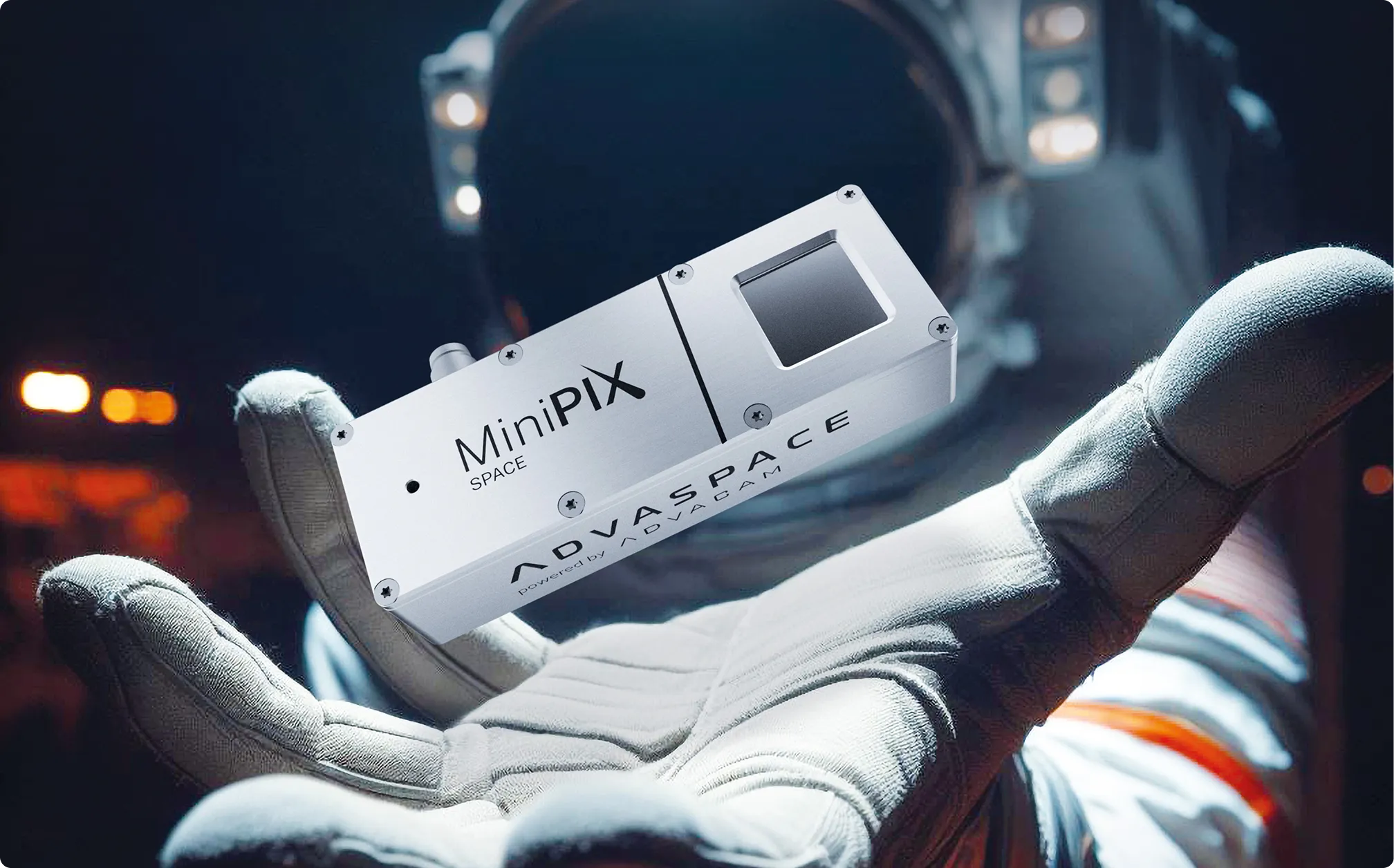
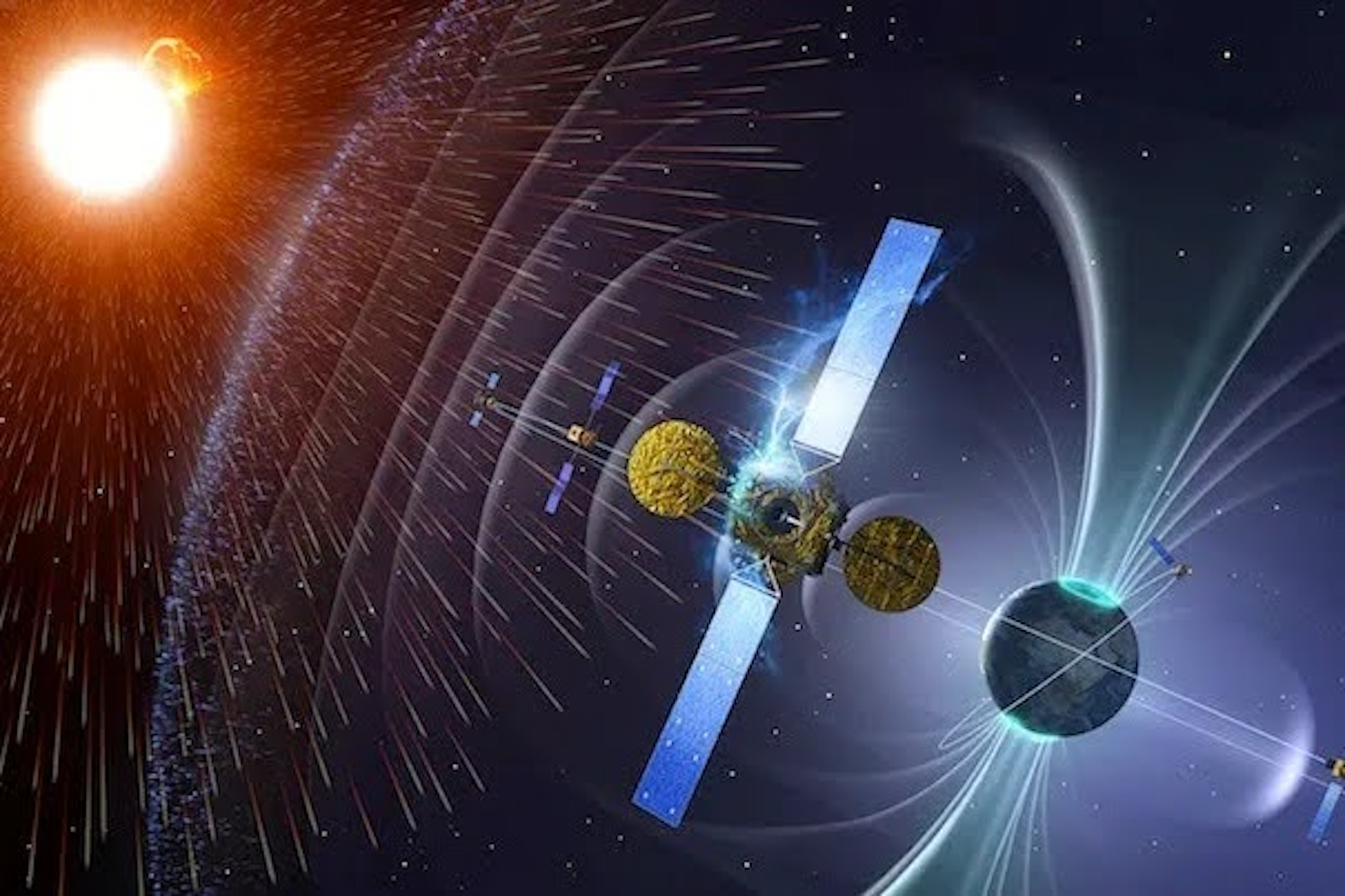
Satellite operators, airlines, and scientists often rely on models rather than real operational data measured in situ. Measuring at the exact location of the asset is crucial for scientific objectives as well as for making informed decisions about risk, liability, and compliance.
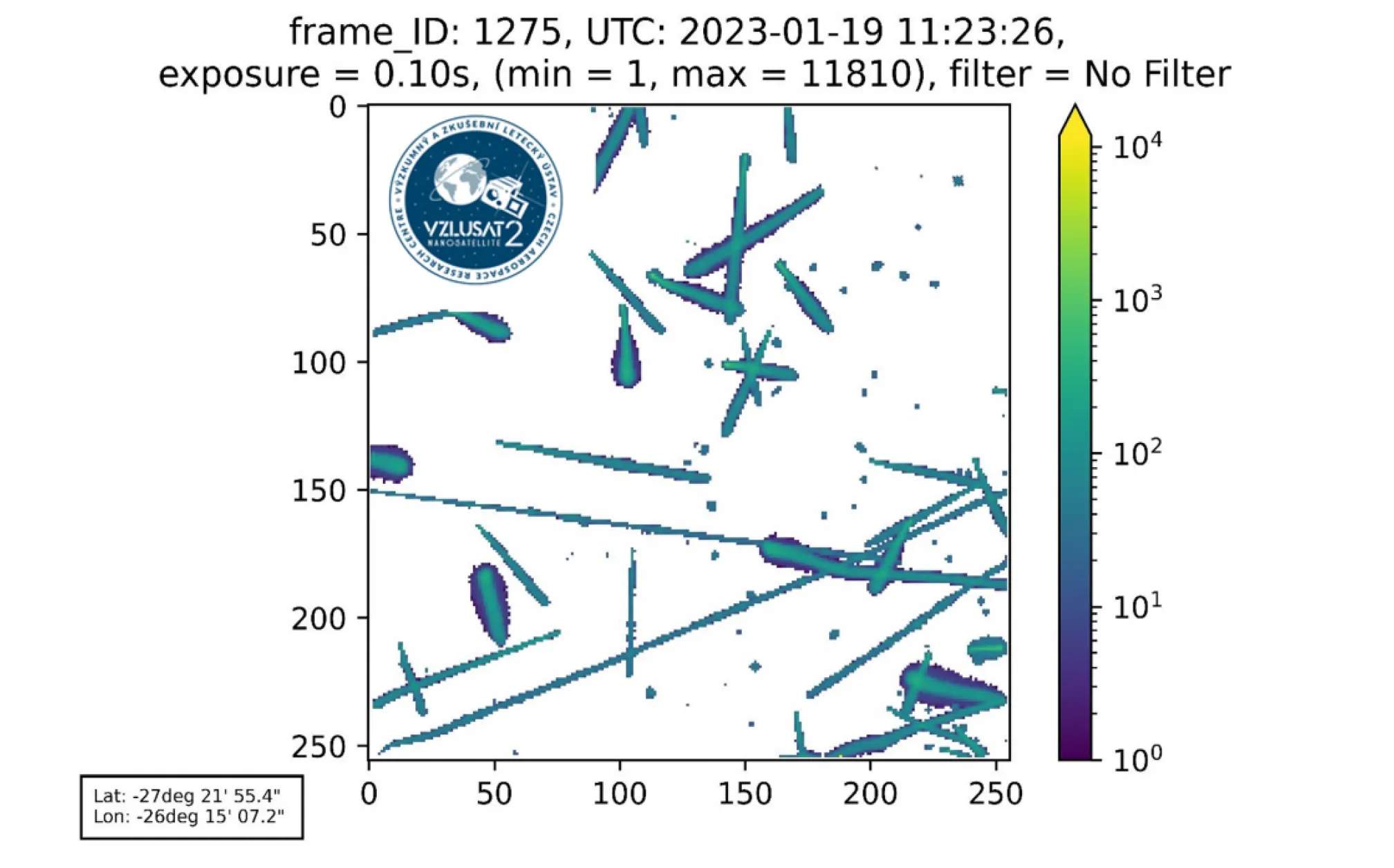
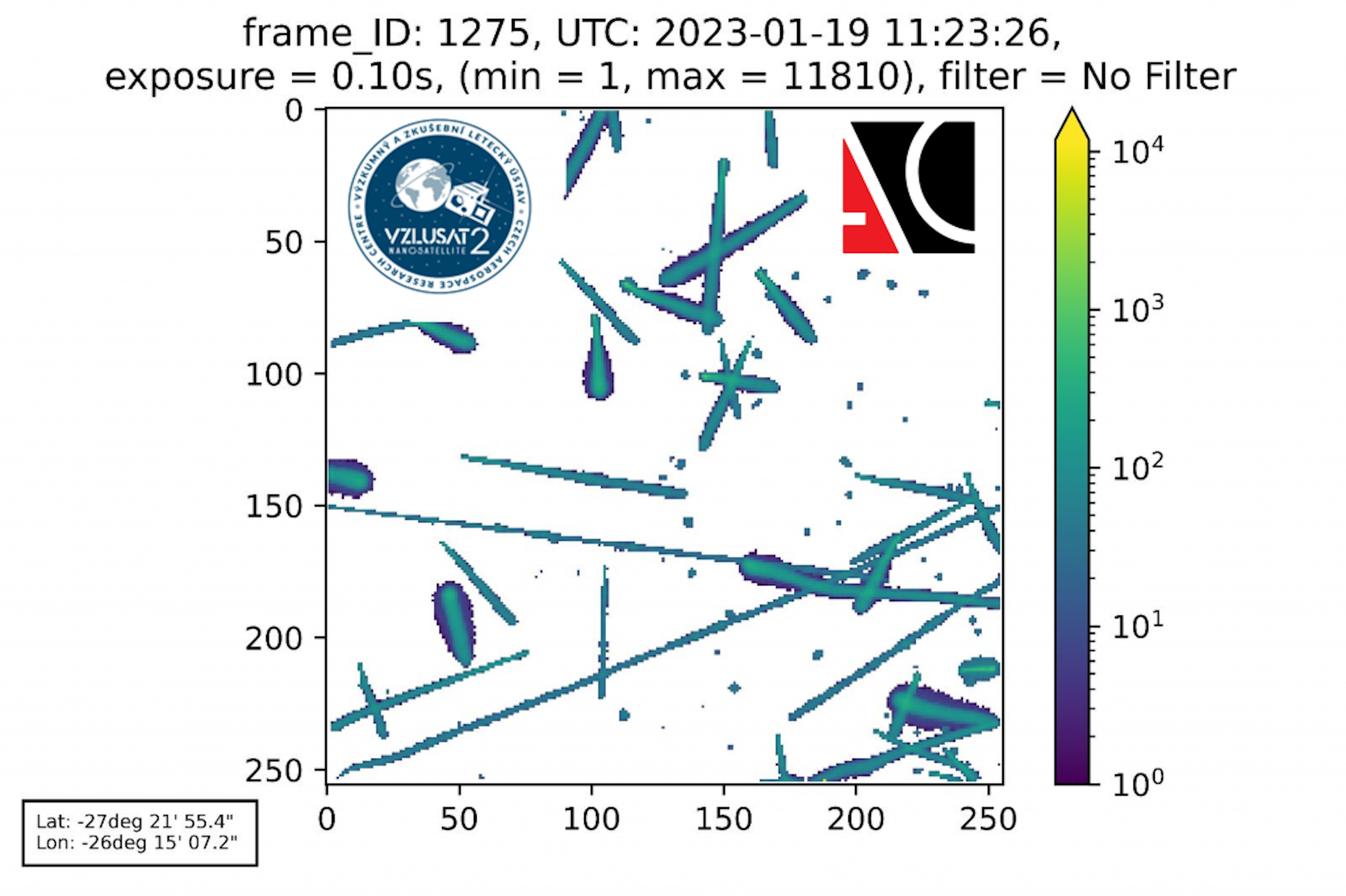
In the image, energetic protons (broad, large straight tracks) and energetic electrons (thin, long tracks) are visible. Low-energy electrons (small tracks) and X-rays (few pixel tracks) are also resolved and registered (in the bottom right region of the pixel detector behind the X-ray optics).
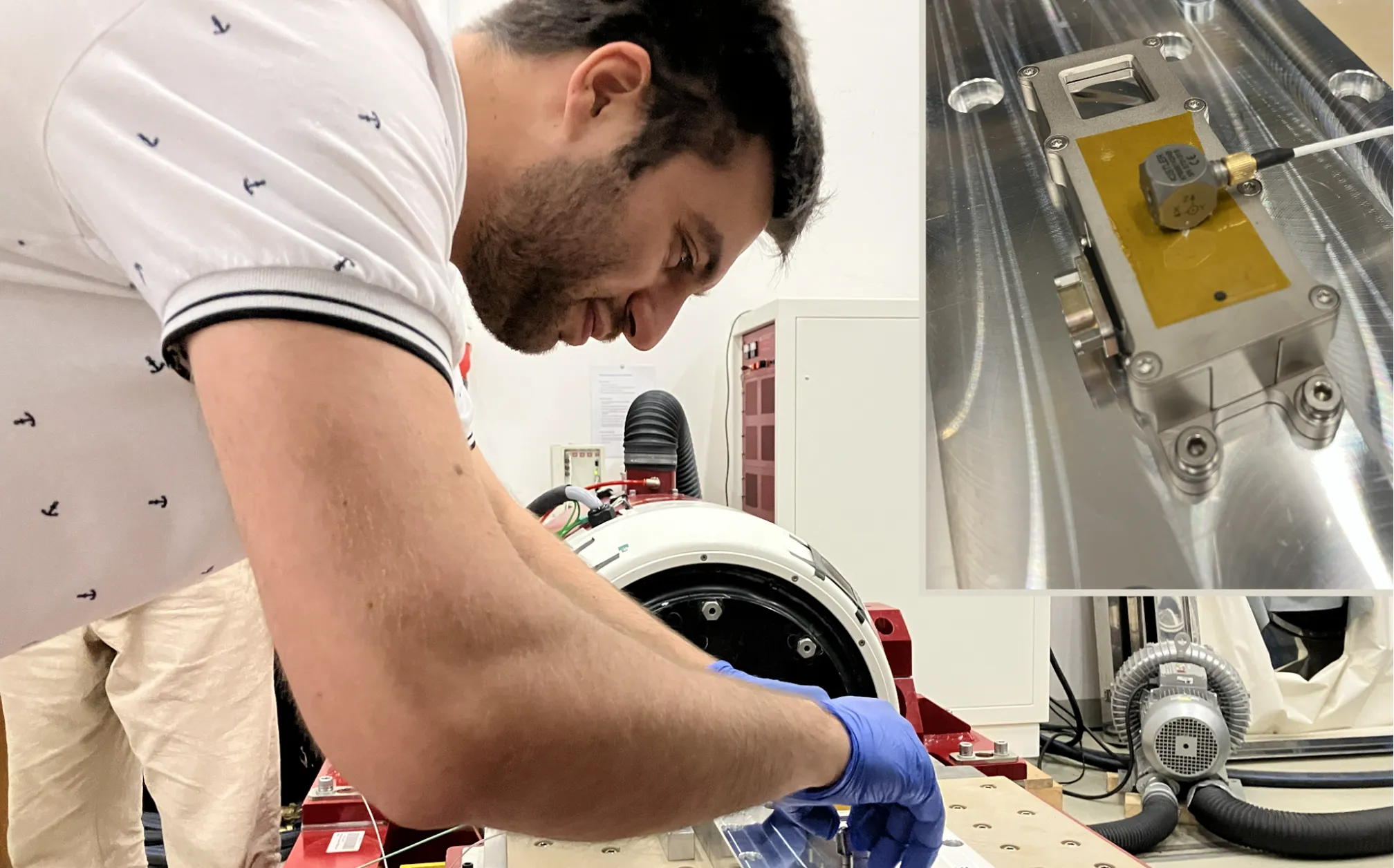
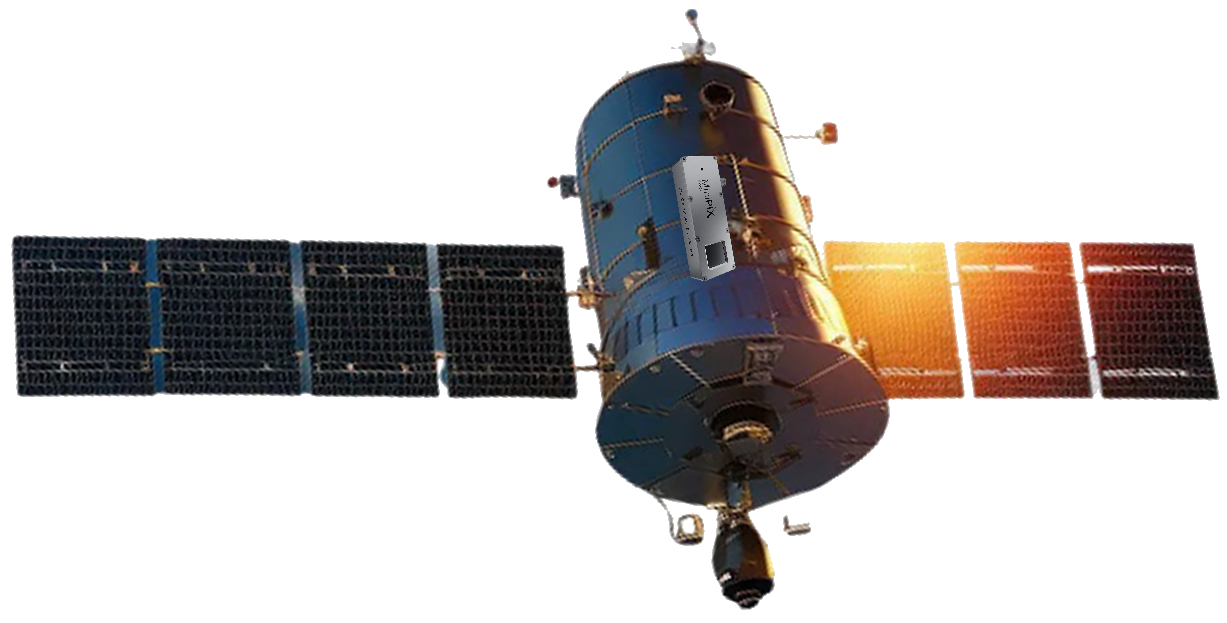
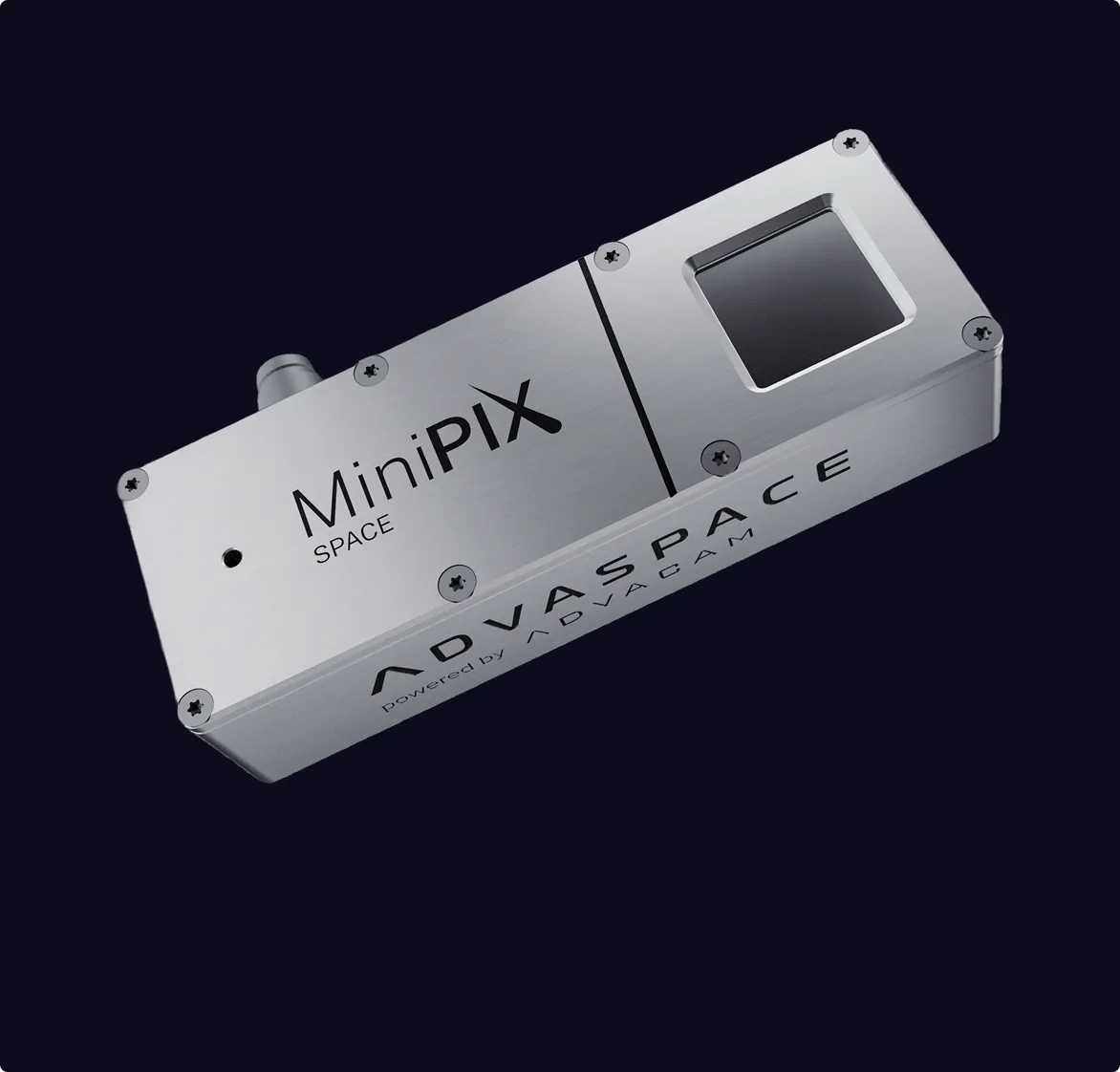
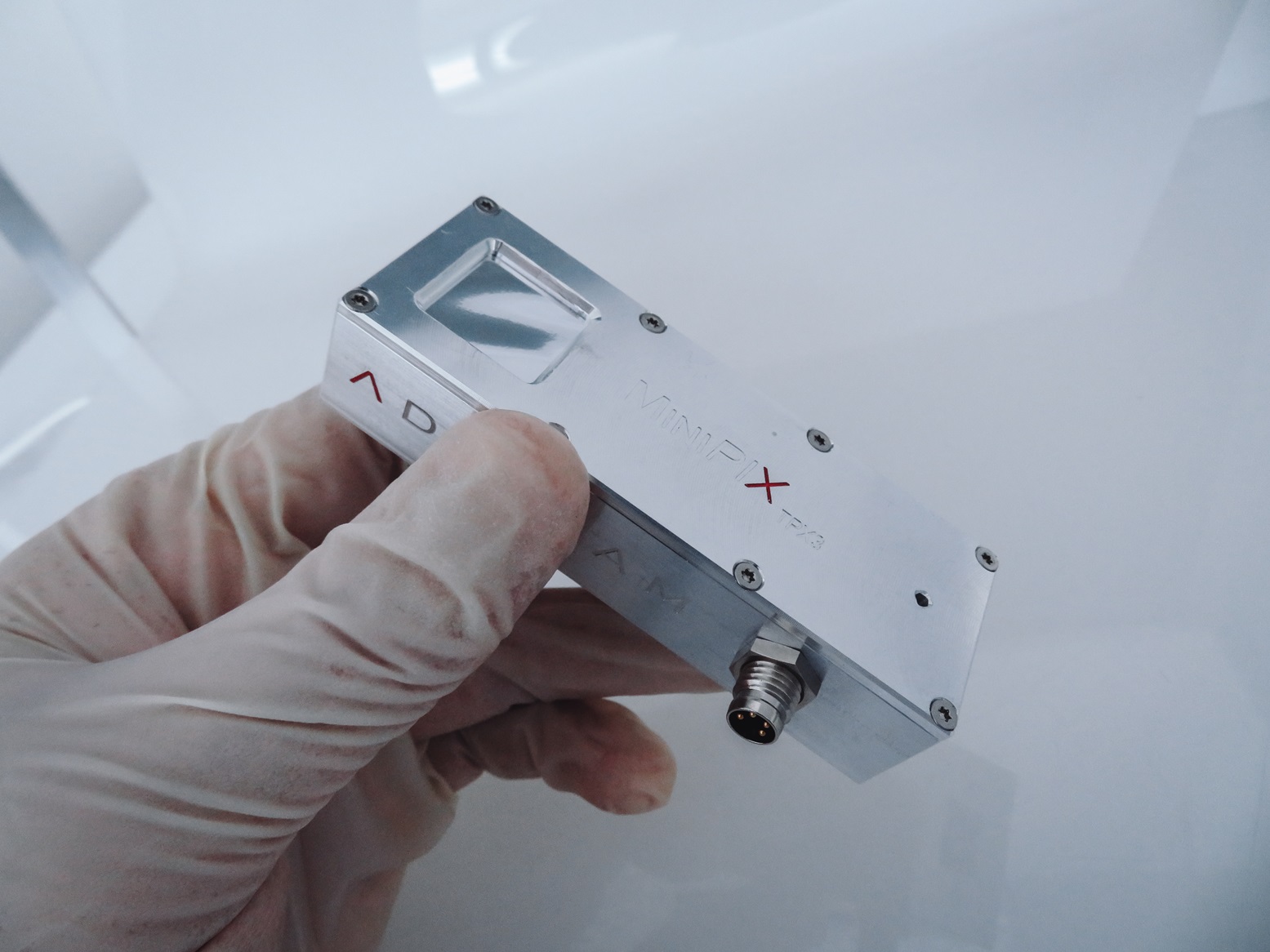
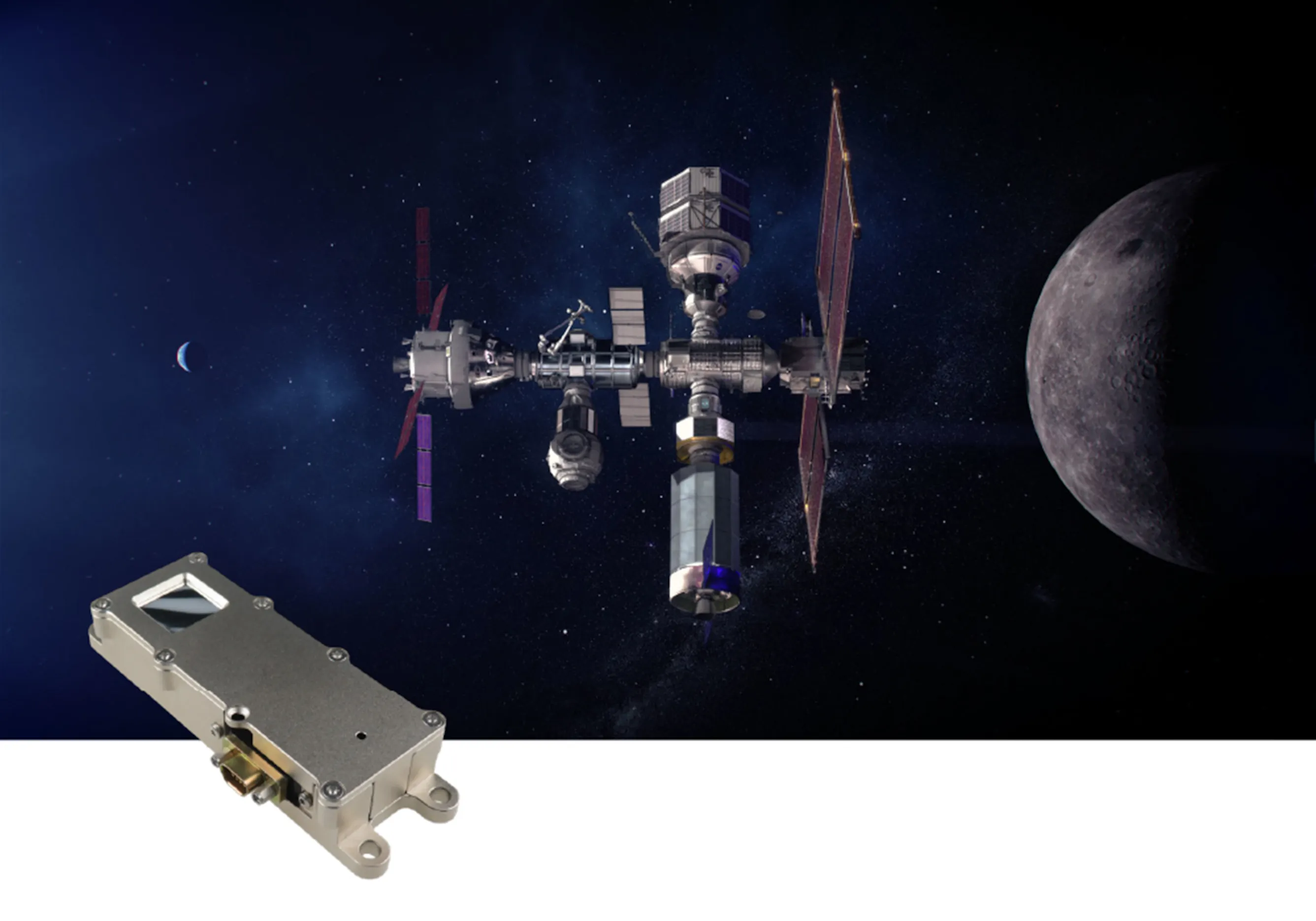
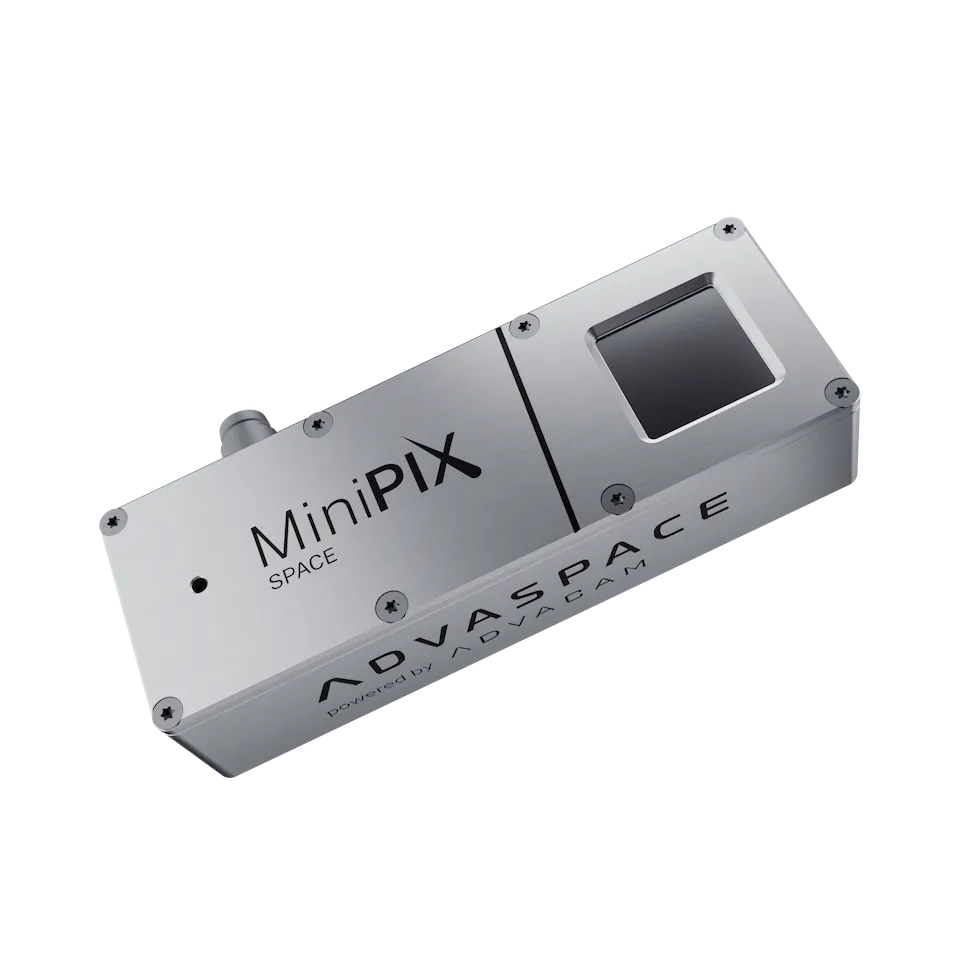
MinPIX SPACE is a TRL-9 device developed and tested under ECSS standards. Here, environmental testing of a detector for the Gateway Lunar Station (Internal Dosimetry Array instrument) is displayed. It is ready to fly as a payload on your satellite, aircraft, or other platforms. Miniaturized, low-power, under 3 Watts, and vacuum-ready. The device is delivered with a complete instrument data pack, including ICD, DML, and DMPL.
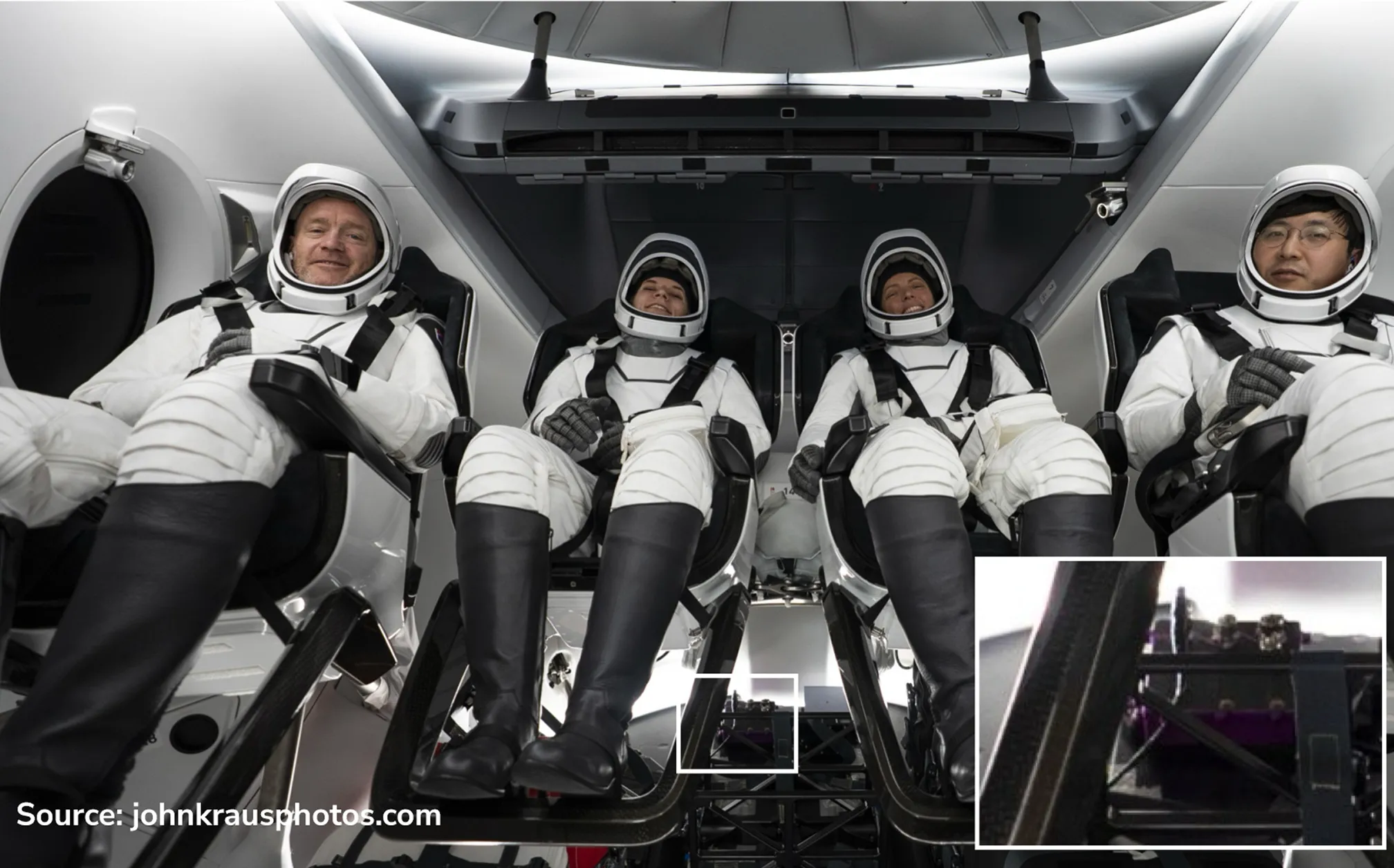
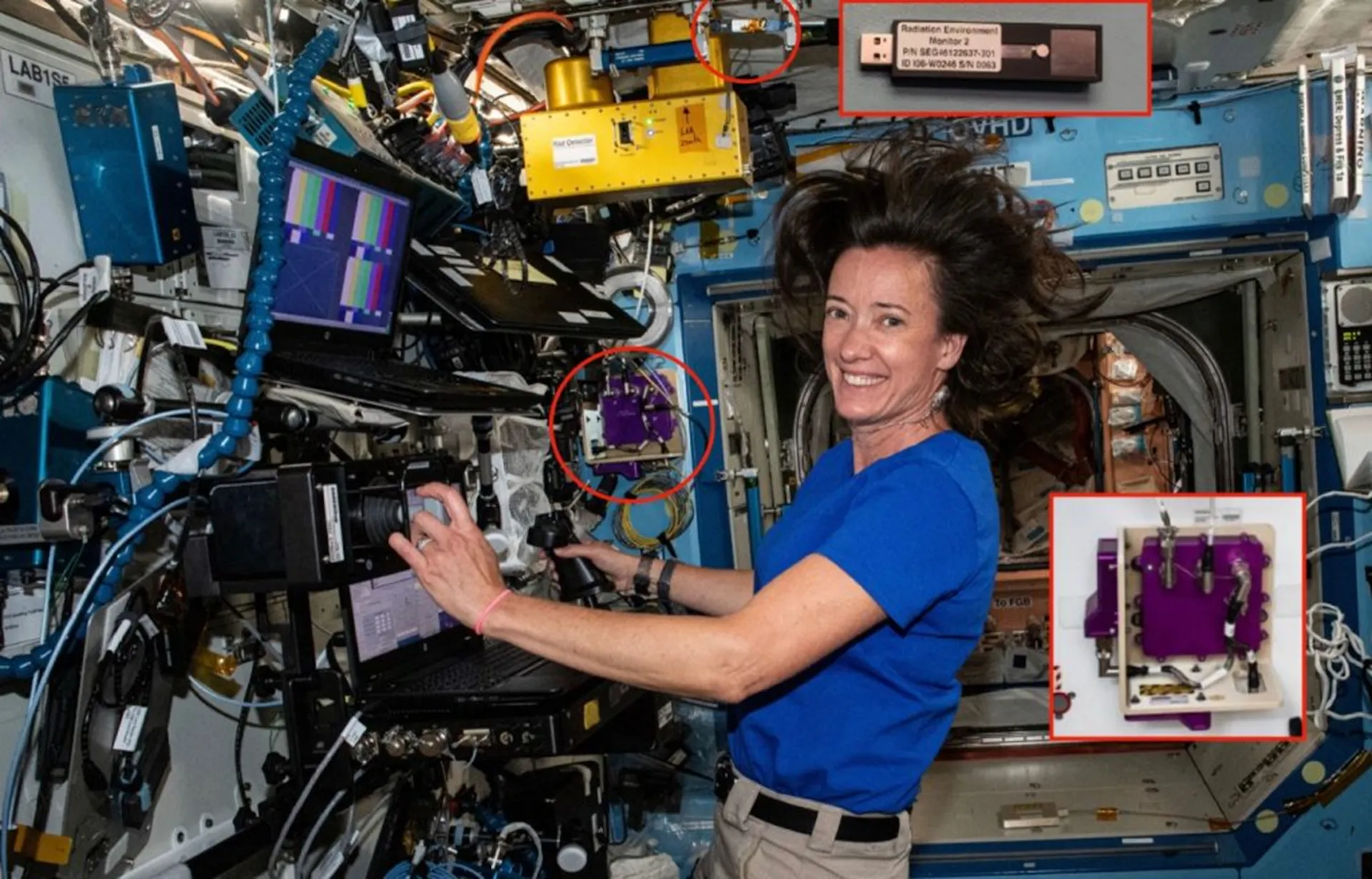
Timepix-based detectors have had extensive space heritage since 2012. Here, you can see them as components of NASA’s HERA Hybrid Electronic Radiation Assessor system on board the SpaceX Crew Dragon spacecraft. Timepix-based detectors have recorded radiation on board the ISS and in numerous satellite missions, including CubeSats.
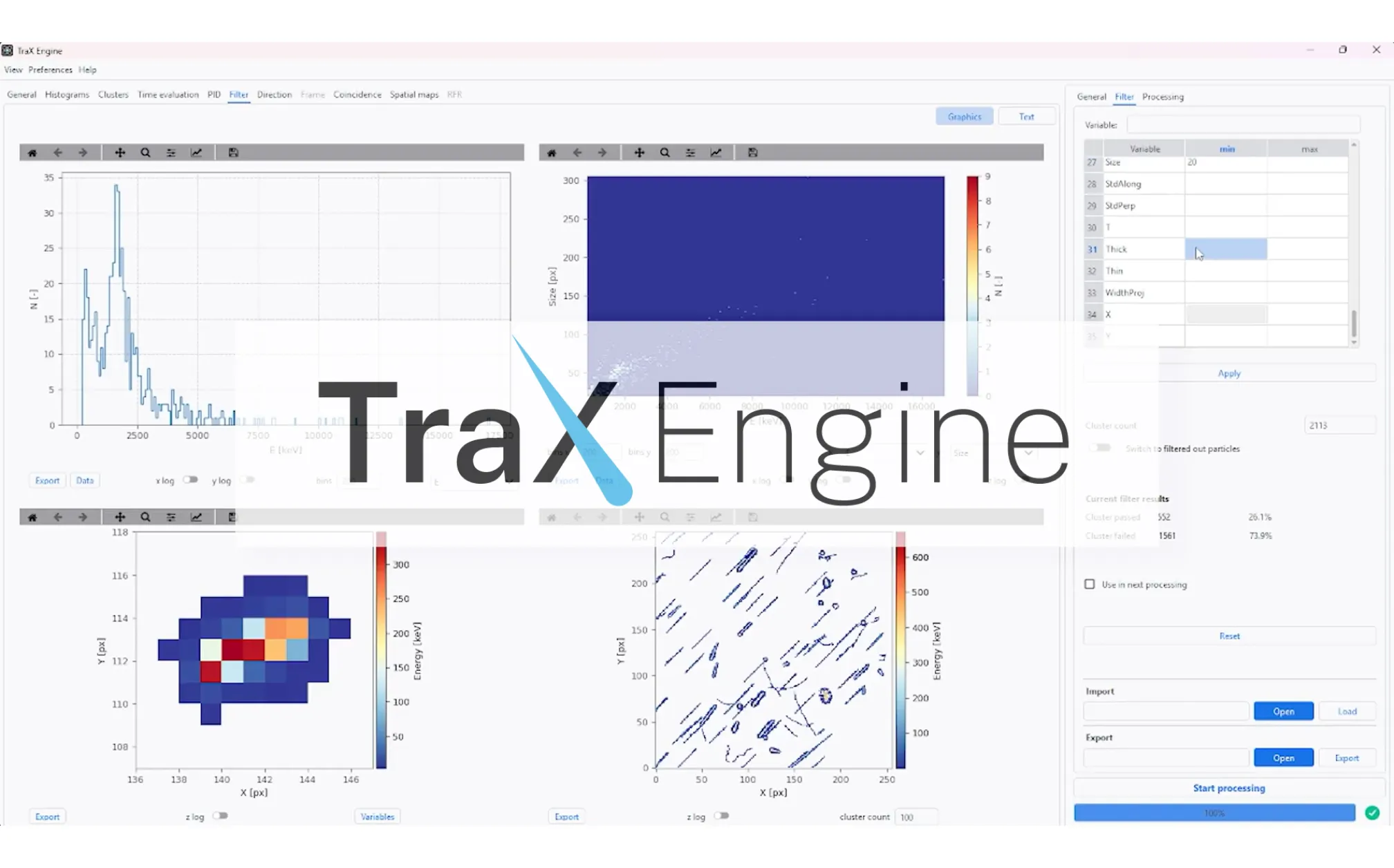
Thanks to our TraX Engine tool, we offer services that convert your complex radiation measurements into structured particle information and dosimetric parameters. The service enables advanced analysis and radiation-field reconstruction. This allows you to fully harvest the scientific and operational value of your data.
Solutions for Space Weather Monitoring
Detect the particle field → Decode its structure → Get operational value
1/ Measure:
MiniPIX SPACE Detector
Measure every single particle in an unlimited field of view. Get a compact, low-powered, space-ready radiation camera. It's vacuum-ready, robust, temperature-stabilized, and proven in space conditions.

Miniaturized low-powered payload
In situ radiation monitoring
Particle-by-particle decomposition
Straightforward integration
2/ Understand:
Data post-processing services
Understand data by decomposing mixed-radiation fields into particle-type components such as protons, ions, electrons, and photons. Get dose rate, flux, and detailed data on deposited energy and LET spectra.
Advanced radiation data post-processing
Dose, flux, LET, 3D insights
AI-powered particle decomposition
Precise particle-level radiation analysis
3/ Benefit:
Save resources
Avoid radiation-related incidents, extend your operational lifetime, get radiation context for mission events such as malfunctions or communication losses. Gain valuable insights to enhance safety and achieve your scientific goals.
Want to see examples and results?

Built on Timepix technology developed at CERN for the Large Hadron Collider
Flight-proven in NASA and ESA missions since 2013
Powered by ADVACAM's photon-counting chips
Applications
The following examples showcase selected space missions and applications powered by Timepix-based radiation detectors developed by ADVACAM. AdvaSpace builds upon this proven foundation to provide radiation monitoring payloads and post-processing services.


All cases
Not sure if our sensors fit your requirements? Let’s explore options together.

Jan Kalaš
CCO (Chief Commercial Officer)
In a 30-minute consultation,
Jan will explain the integration process,
estimated costs, and how soon
you can begin collecting data.
In a 30-minute consultation,
Jan will explain the integration process,
estimated costs, and how soon
you can begin collecting data.
10/31/2024
Advacam & Vector Space Biosciences sign Letter of Intent to Develop AI Models & CubeSat Payloads for the Space Industry
Explore more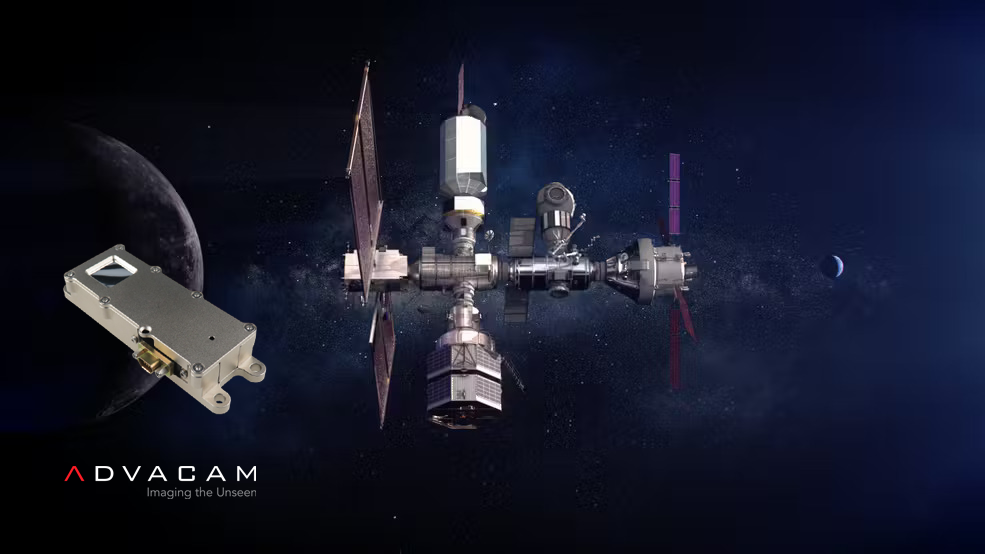
7/3/2025
U.S. Senate slows down Trump’s plan to cancel the Gateway Space Station. Meanwhile, a detector to monitor dangerous radiation inside the planned lunar station was succesfully tested in Europe
Explore more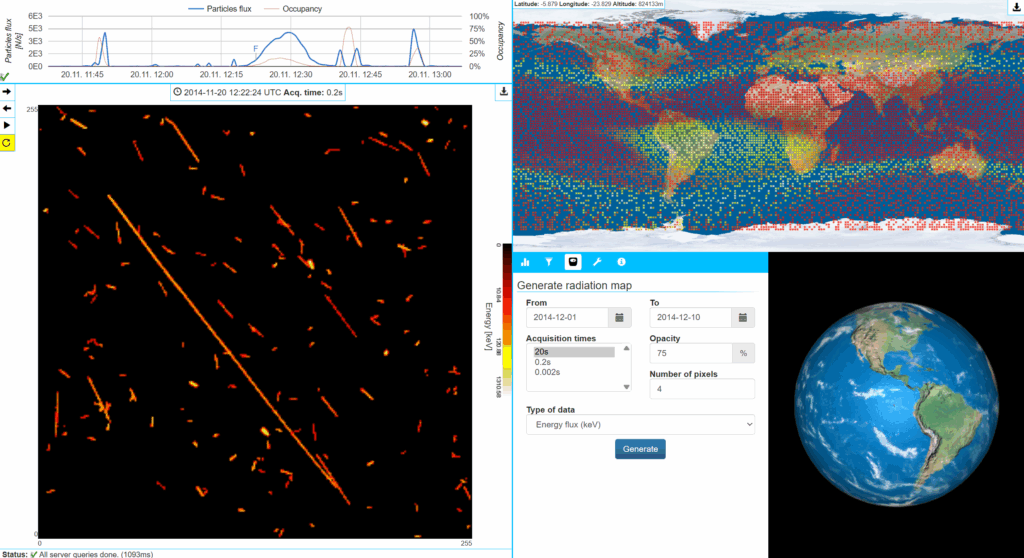
12/8/2025
From Cancer to Outer Space: A Czech Technology Hub Scales up on the Global Market with Hi-Tech Imaging Devices. It Has Already Acquired a Competitor in Germany
Explore more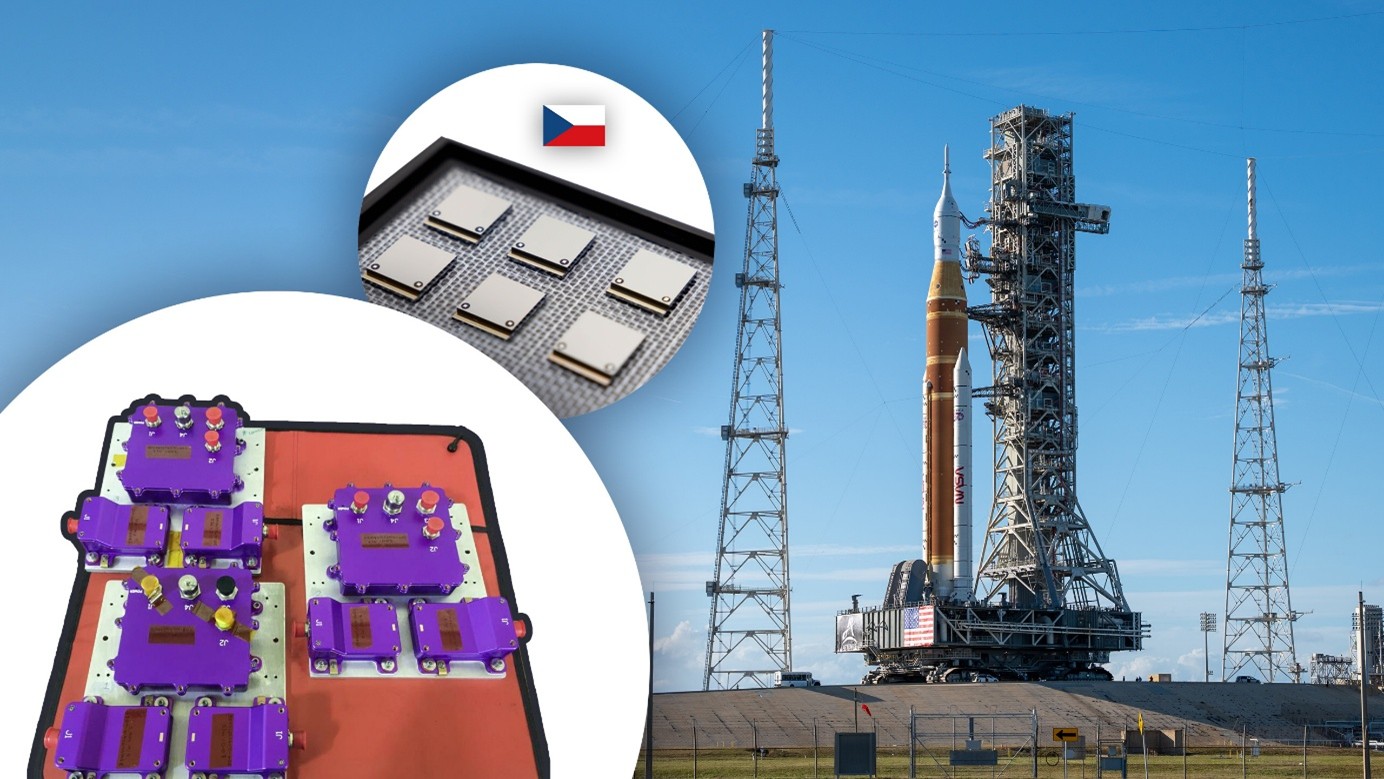
2/2/2026
Czech Footprint on Artemis II: NASA Astronauts Return to the Moon with Prague-Made Sensors
Explore more